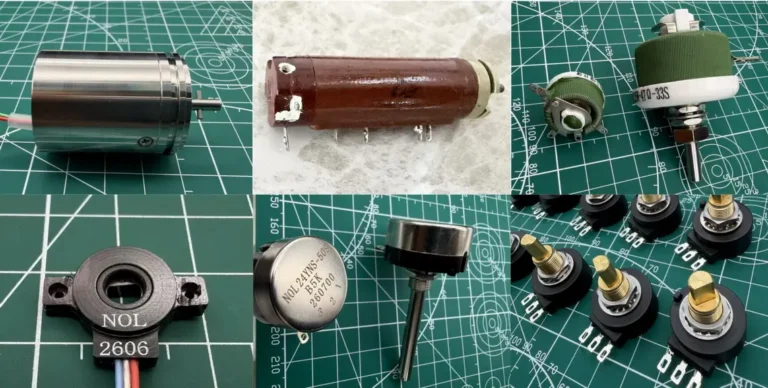
How Should Potentiometer Housing Materials Be Selected? A Cheaper Material Does Not Always Mean a Cheaper Product
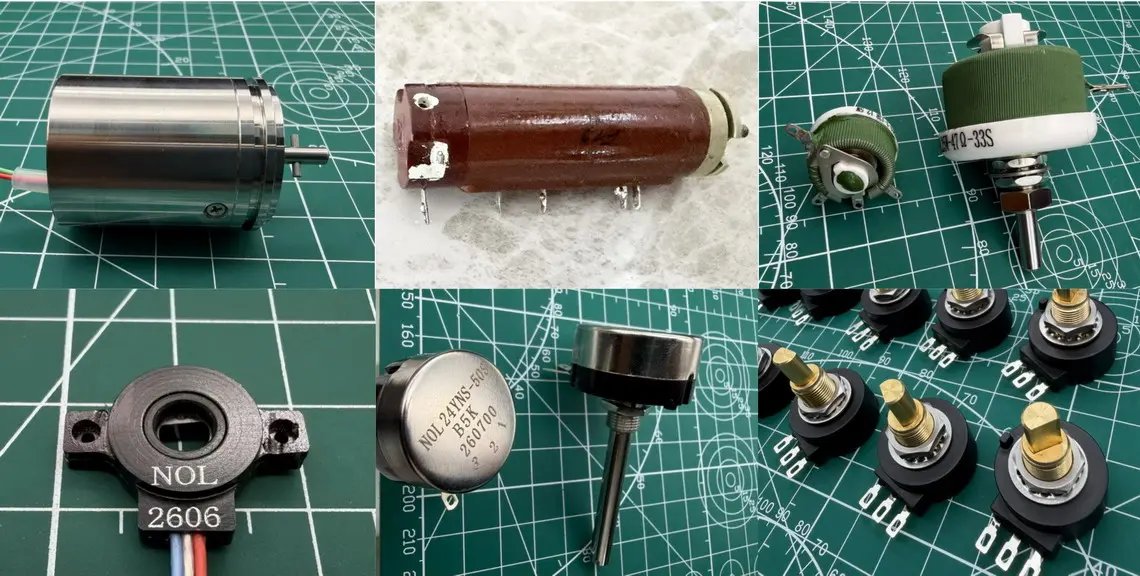
Potentiometer housing costs depend on much more than the price of the raw material. This article compares machined metal, stamped
 Skip to content
Potentiometer housing costs depend on much more than the price of the raw material. This article compares machined metal, stamped
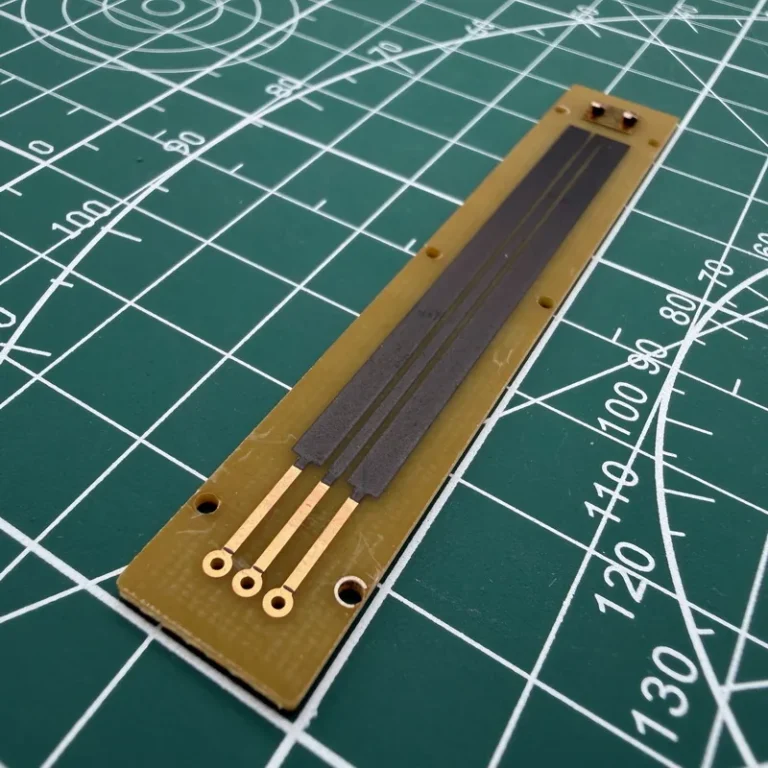
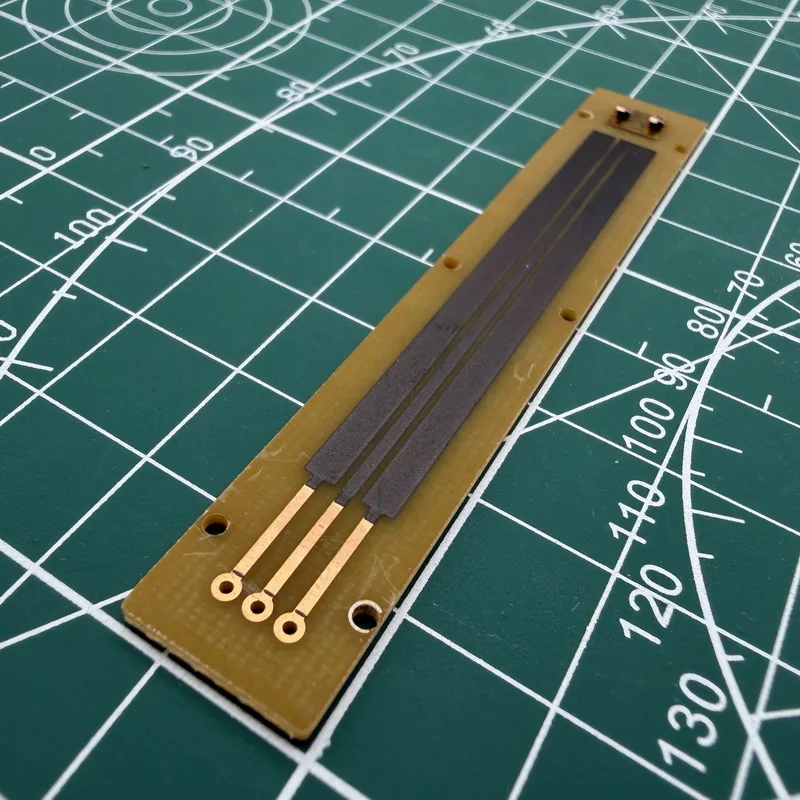
A manufacturer’s discussion of carbon film, conductive plastic and cermet resistive elements for audio potentiometers and faders, focusing on taper,
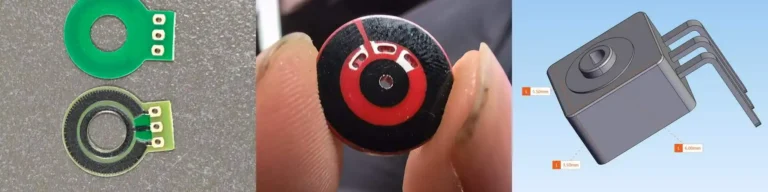
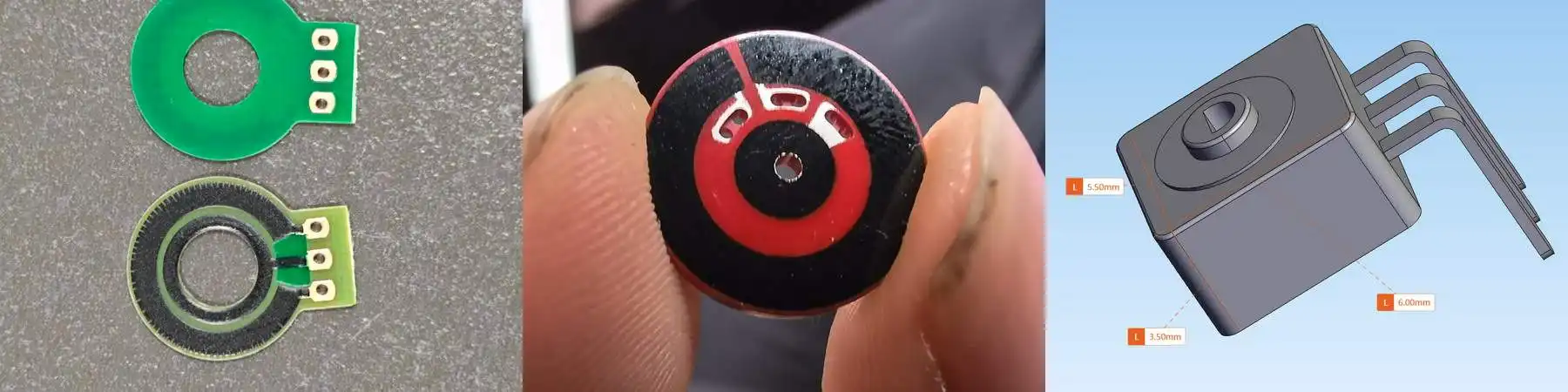
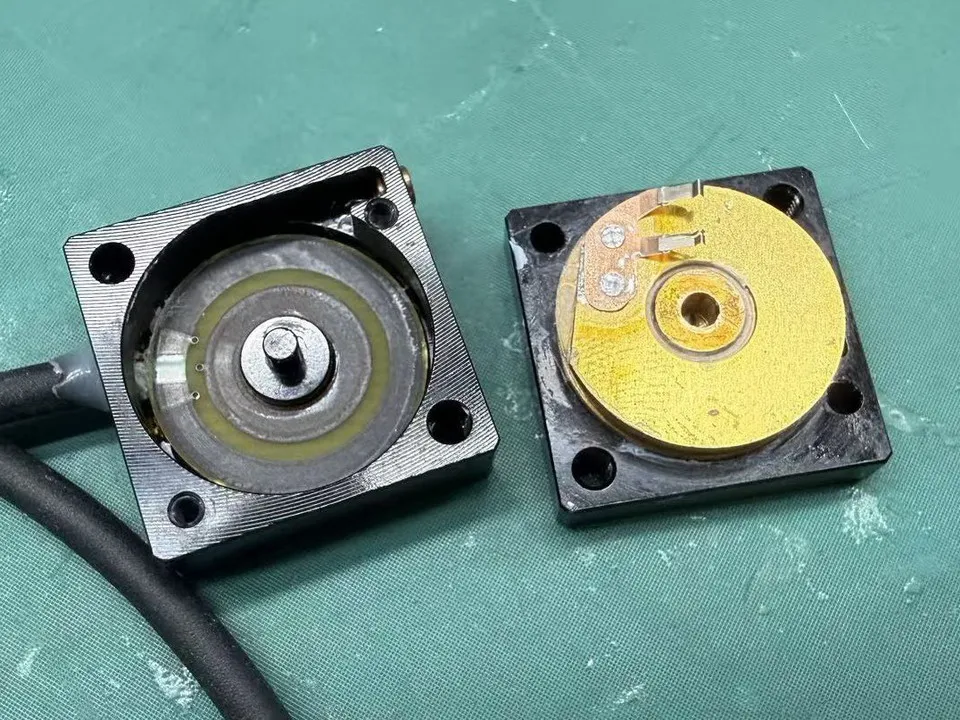
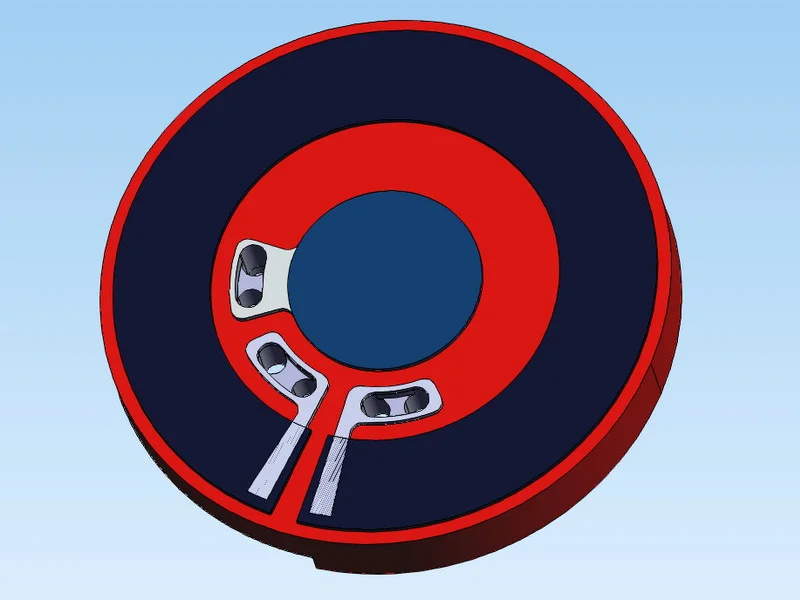
For miniature drones, robots, and actuators, a 6 mm contact-type angle sensor looks very attractive. But when we look inside
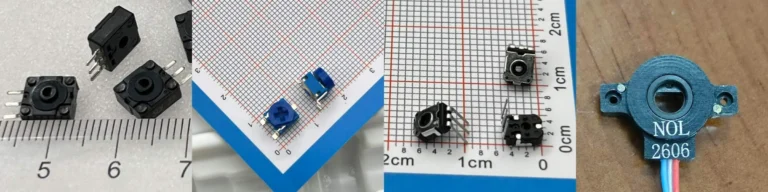
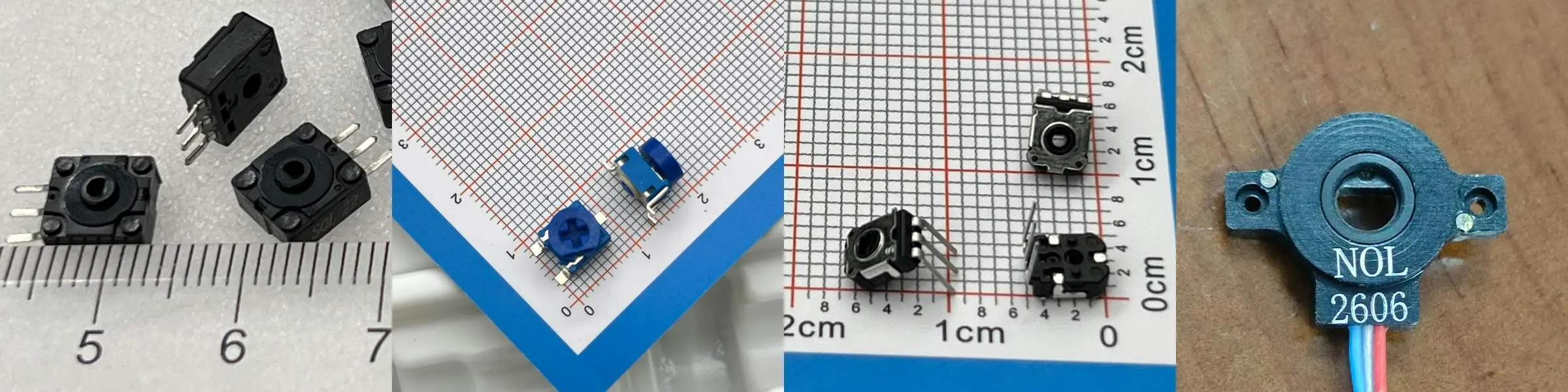
Many small contact-type components look similar, especially trimmers, miniature potentiometers, and miniature angle sensors. For drone, robot, and prototype design,
A string potentiometer and a linear potentiometer position sensor can both measure linear movement, but their internal structures are different.
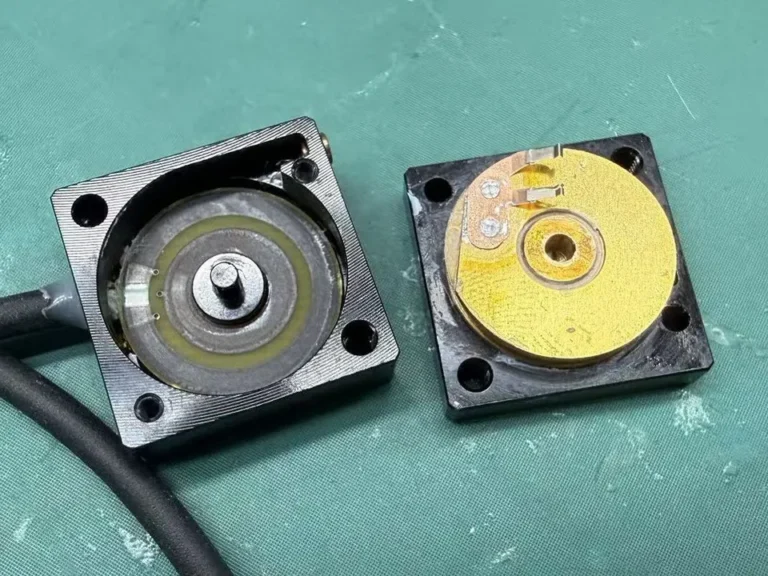
Based on a real 15 mm OD project, this article explains why small-diameter conductive plastic resistive elements are harder to
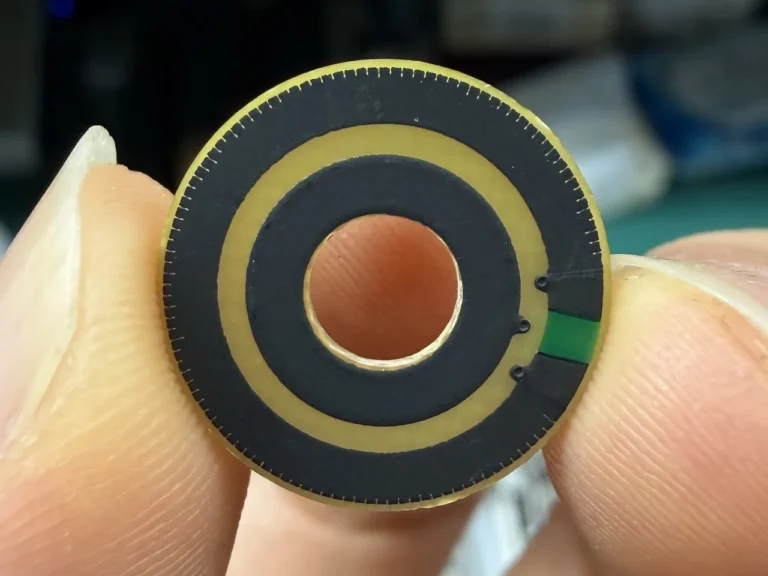
For low-volume custom sample projects, reopening a full tooling set at the beginning is not only a technical issue, but
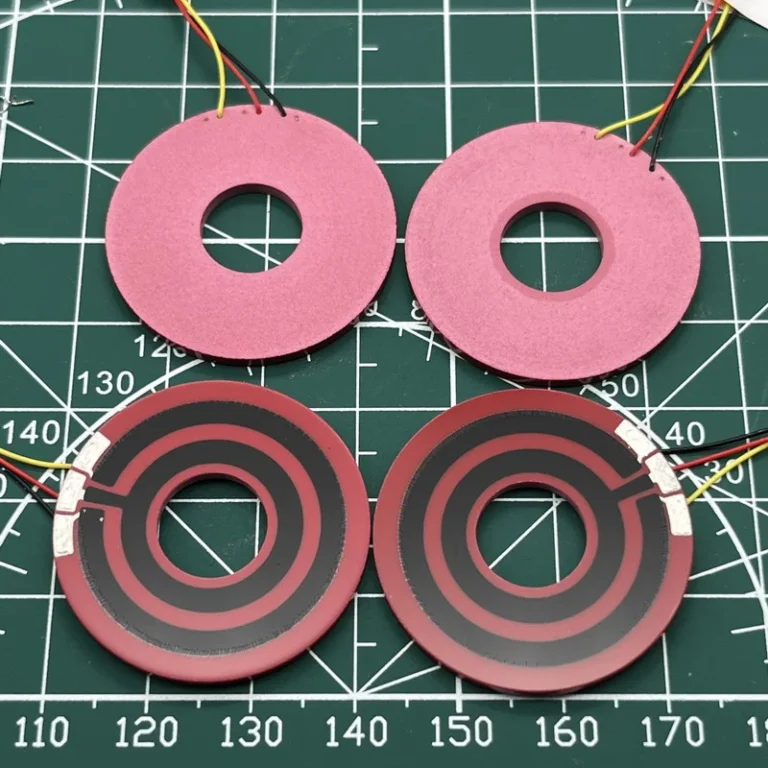
After an old customer asked for the color on both sides to be consistent, I checked again the relationship between
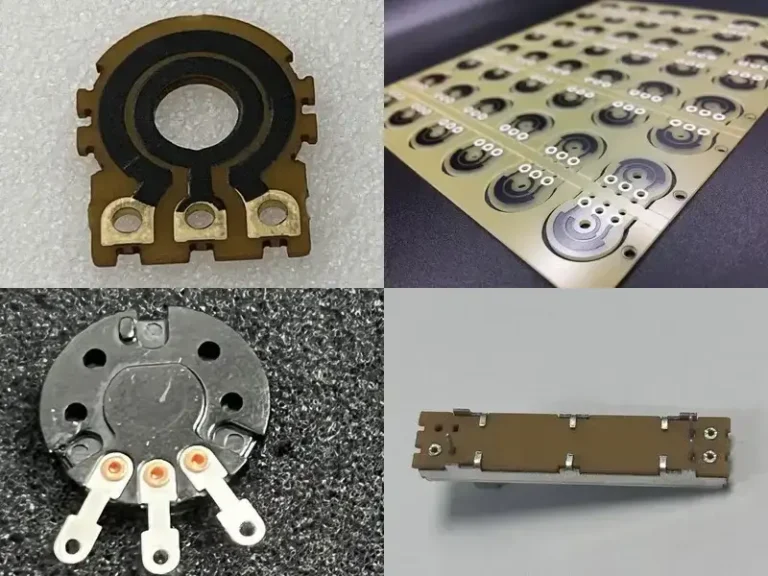
A practical taxonomy of potentiometer substrates and the process routes behind them. This post explains how terminal connection choices, curing
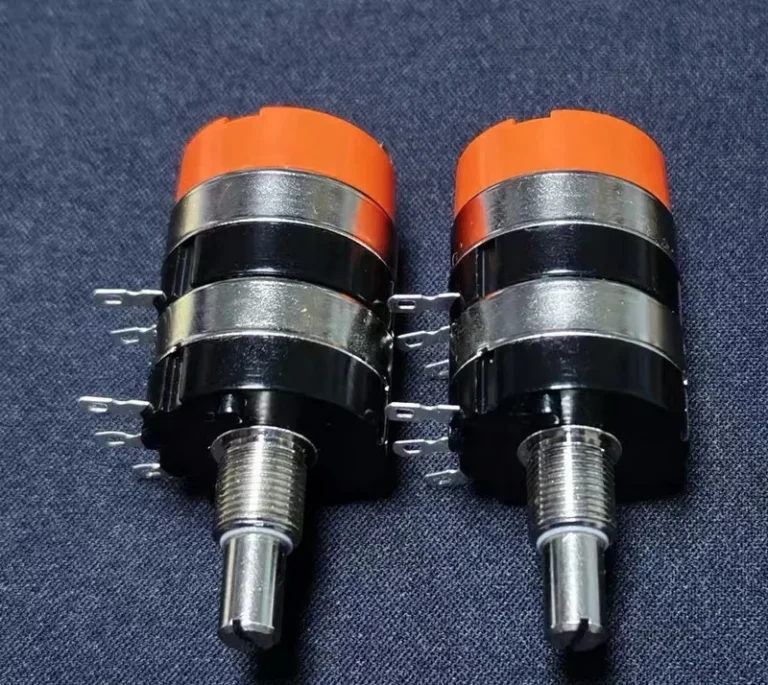
Multi-gang single-control is not just stacking more sections. As gangs increase, alignment and feel become more sensitive, and terminal layout
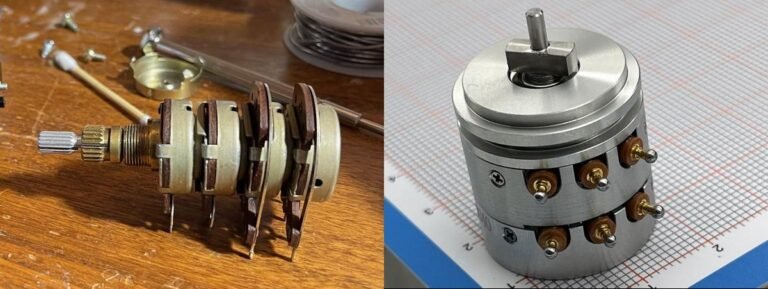
Within one week, I received two customer inquiries, and it honestly felt like “time travel.” One is a vintage Sansui

This article explains the engineering reasons behind dual-track and dual-wiper designs in conductive plastic displacement sensors.
By focusing on
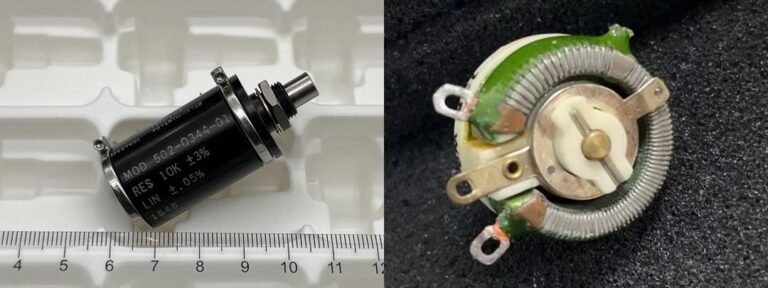
We first split rotary wirewound parts into single-turn and multi-turn types, then compare two real spec-sheet cases to help both
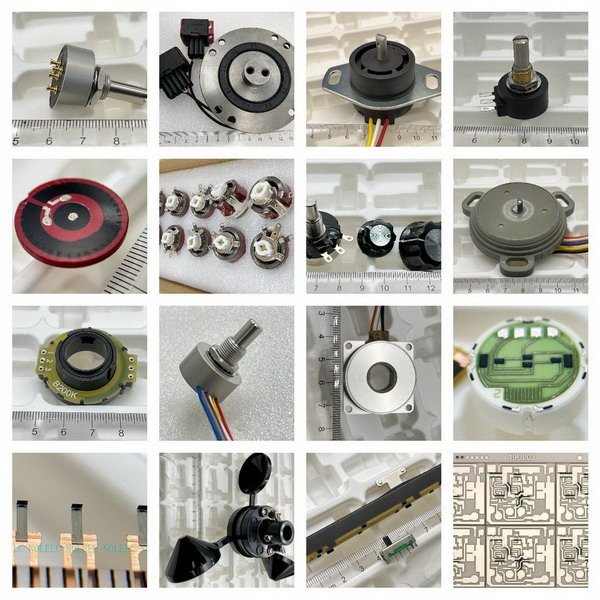
Potentiometers seem easy to classify at first, but real products often cross structure, material, and application boundaries.
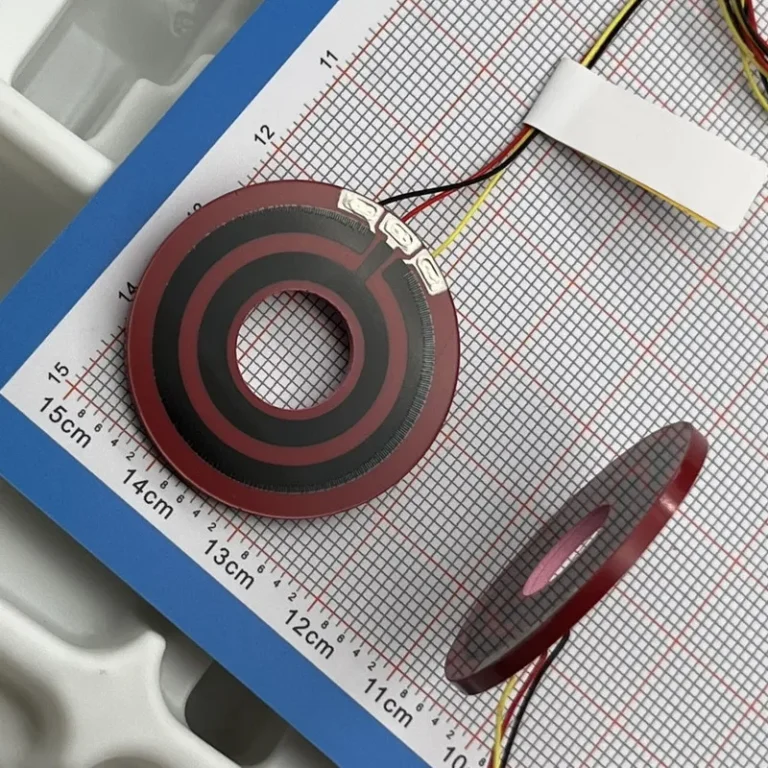
This article explains two material paths for replacing conductive-plastic potentiometers—CP elements and NOL H-carbon-film elements—with technical comparisons and practical guidance.

This article explains the major housing structures used in potentiometers and angle sensors, comparing their temperature limits, mechanical strength, corrosion
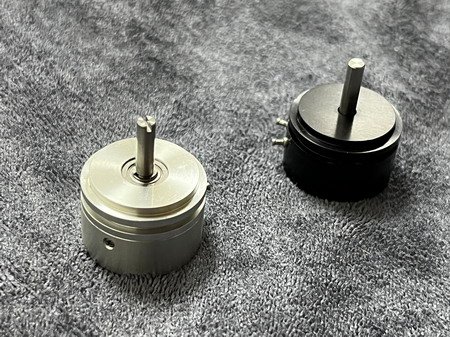
This article explores how conductive plastic resistive elements, multi-wire wipers, and precision mechanical design together create stable, low-noise, and long-life
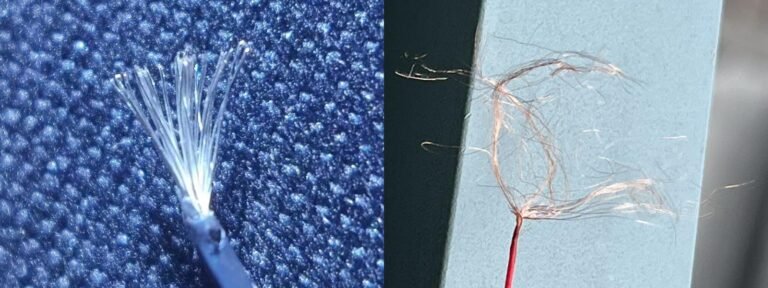
MIL-DTL-16878 and GJB 773B-2015 share almost identical PTFE wire structures but differ in naming, test focus, and dimensional definitions.
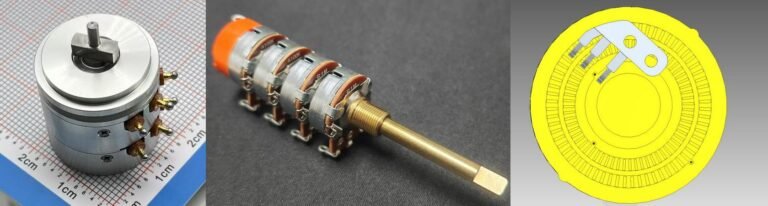
This article introduces three representative multi-gang structures used in potentiometers and sensors — the dual-channel conductive plastic sensor, the multi-gang
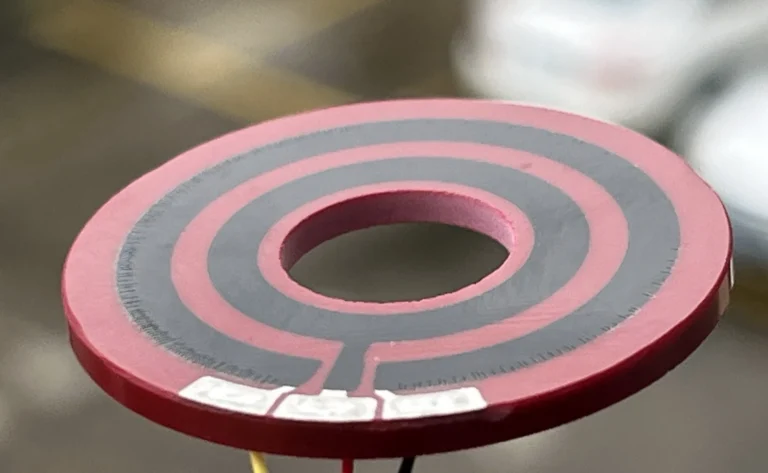
GJB 1865A and MIL-PRF-39023 are the Chinese and U.S. military standards for non-wirewound precision potentiometers. Both define temperature, life, linearity,