Skip to content

This article mainly discusses the evolution from resistive to non-contact Hall-type wind direction sensors and explores ways to extend the electrical life of wind direction sensors through sensor upgrades and the addition of protective circuits.
The device used to measure wind direction is called a wind direction sensor. Wind direction sensors are widely used in various industries. Typically, the main body of a wind direction sensor adopts the mechanical structure of a weather vane. When the wind blows against the vane's tail, the arrow points in the direction from which the wind is coming. To maintain directional sensitivity, different internal mechanisms are used to determine the direction for wind speed sensors. Generally, there are three types:
1. **Electromagnetic Wind Direction Monitors**: These are designed based on electromagnetic principles. Due to the various types of principles, the structures differ. Some of these sensors now use gyroscope chips or electronic compasses as basic components, further improving measurement accuracy.
2. **Photoelectric Wind Direction Monitors**: These sensors use absolute Gray code discs as basic components, with specially customized encoding. Based on photoelectric signal conversion principles, they can accurately output corresponding wind direction information.
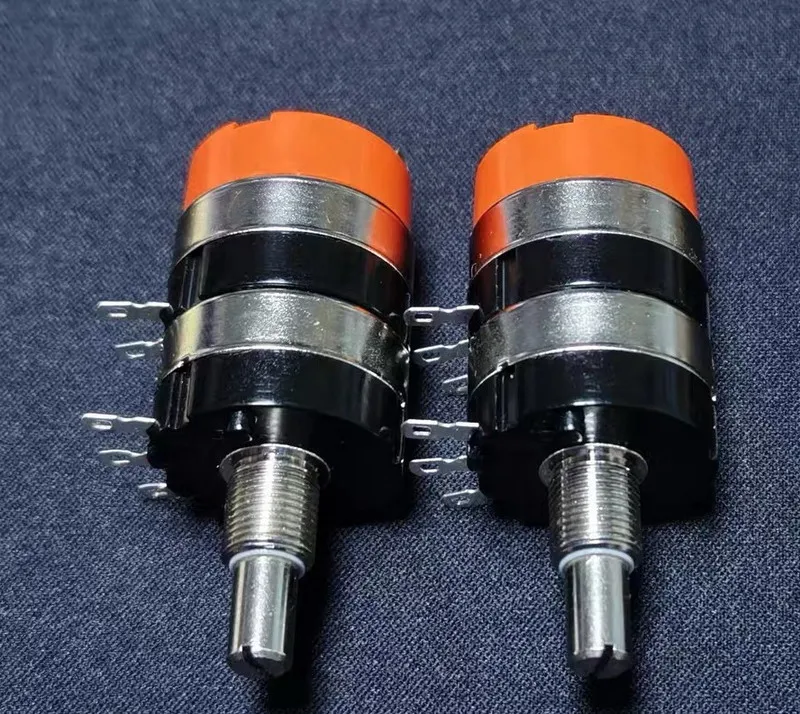
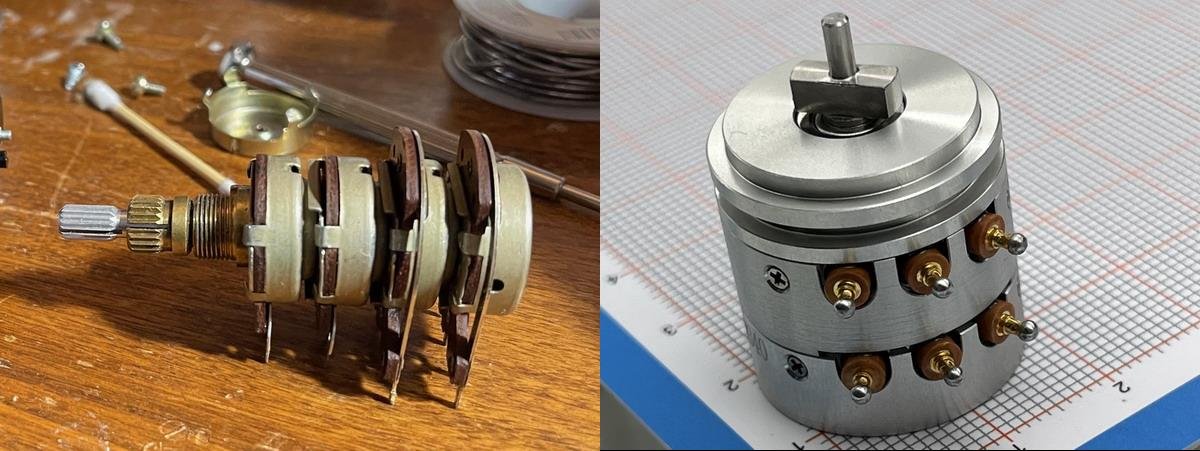
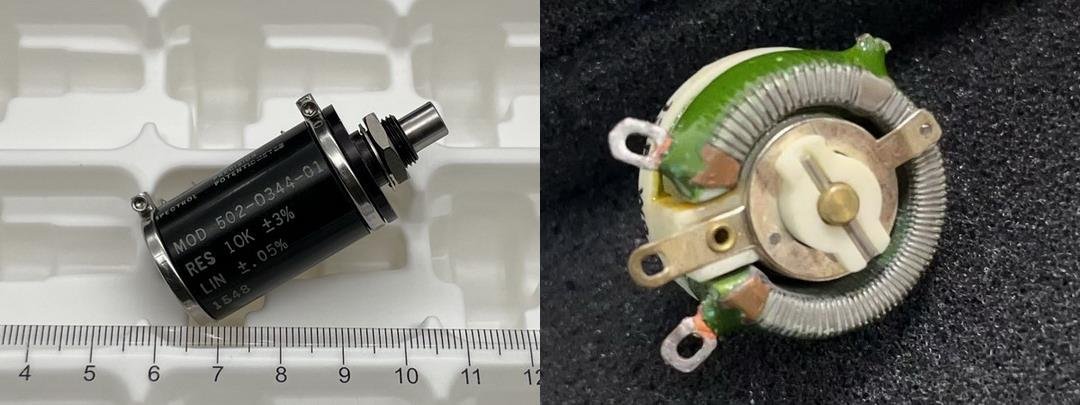
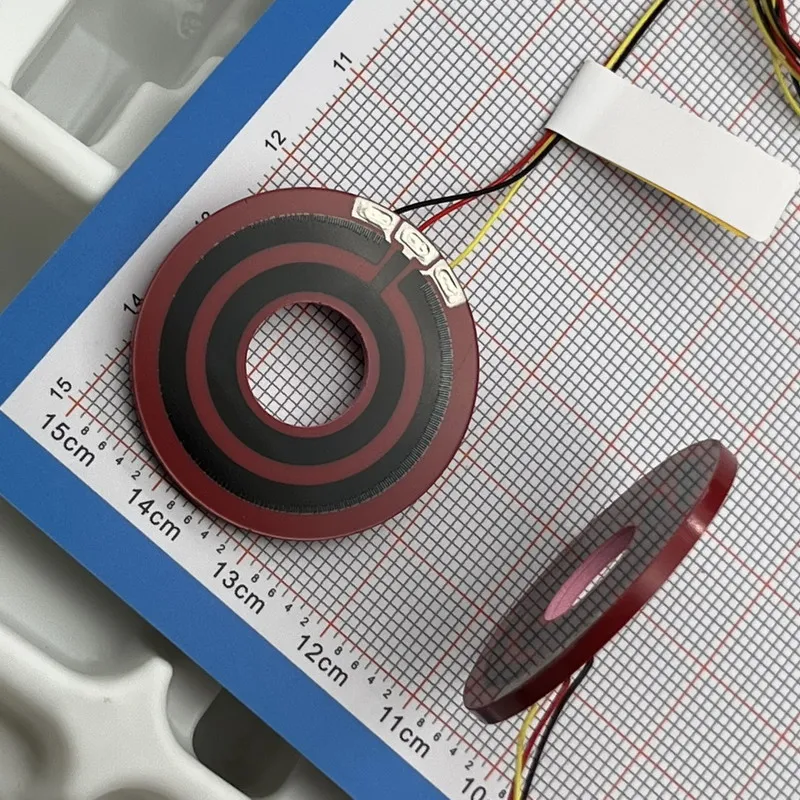
3. **Resistive Wind Direction Monitors**: These sensors use a structure similar to a sliding resistor. The maximum and minimum resistance values are marked as 360° and 0°. As the weather vane rotates, the slider of the sliding resistor moves with it, and the resulting voltage changes can be used to calculate the wind direction angle or direction.
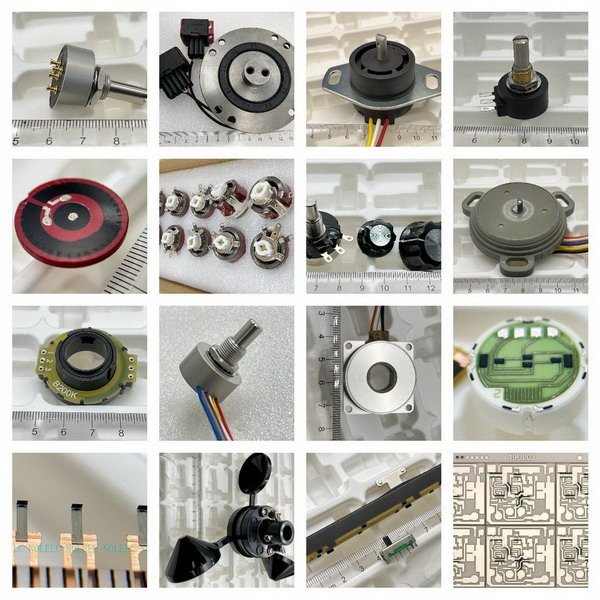
Early wind direction sensors used contact-based sensor structures with analog outputs. Now, considering the diverse and harsh environments in which wind direction sensors operate—such as high altitude, high humidity, high salinity, and high temperature—non-contact Hall sensors have been adopted in subsequent designs and manufacturing processes to replace contact sensors. The advantages of non-contact Hall sensors include longer electrical life and strong resistance to temperature, humidity, and salinity. However, the cost of non-contact sensors is about a third higher than that of contact sensors. The installation methods for both are almost identical.
In addition to the environmental factors mentioned above, certain areas must also consider the impact of severe typhoon and thunderstorm weather. Lightning strikes can severely damage electrical equipment on towers. To minimize damage, further design improvements include adding surge protection diodes or IGBTs to the back-end circuit of non-contact sensors. This design allows wind direction sensors to withstand momentary high voltages of 4000V to 6000V, reducing the likelihood of damage from lightning strikes.