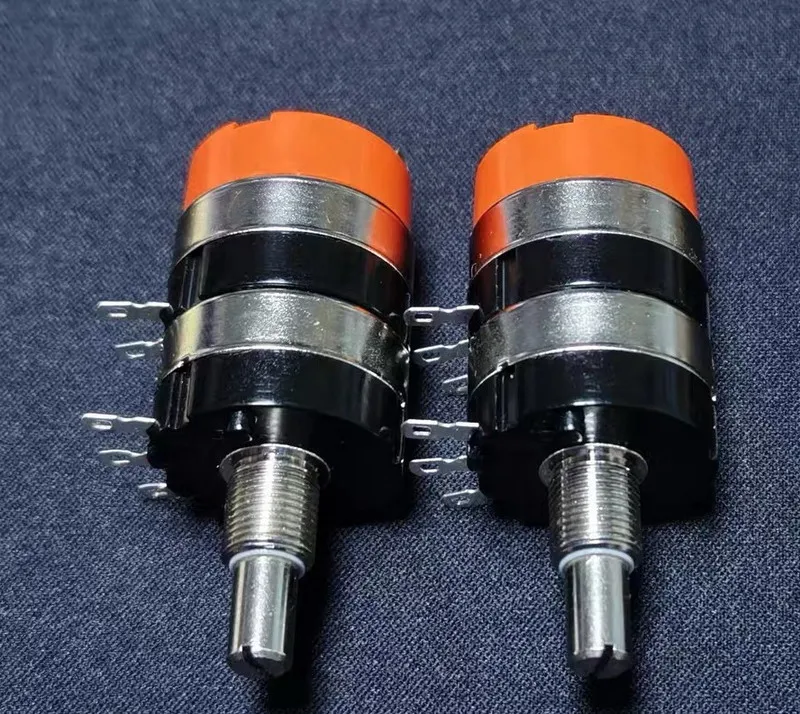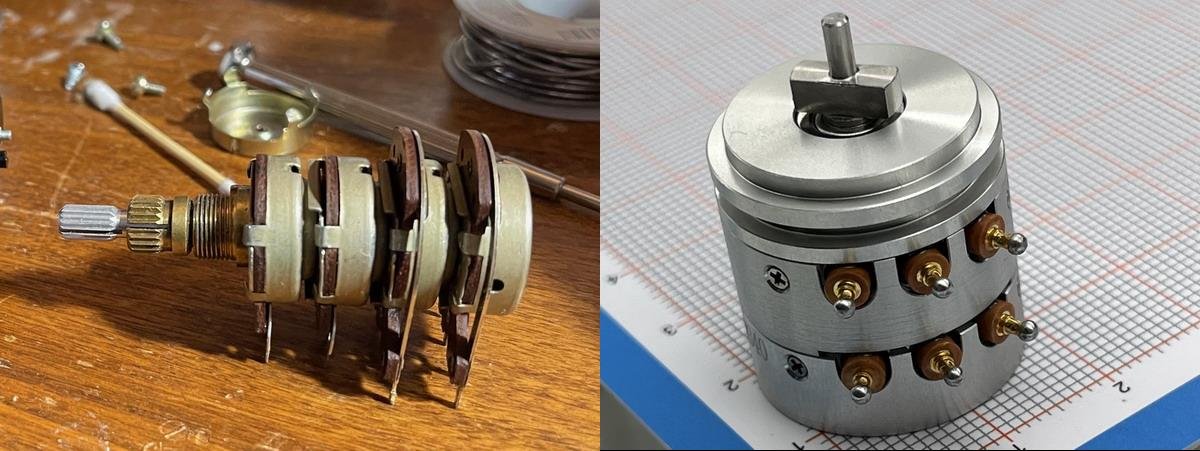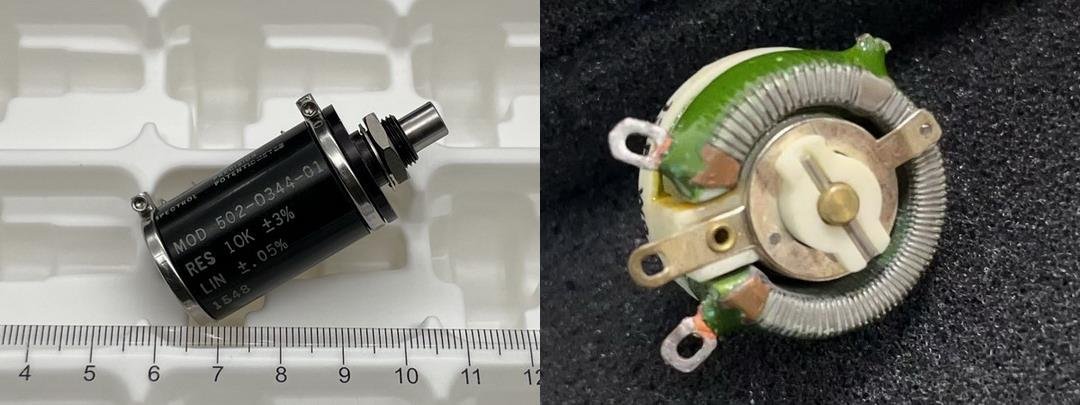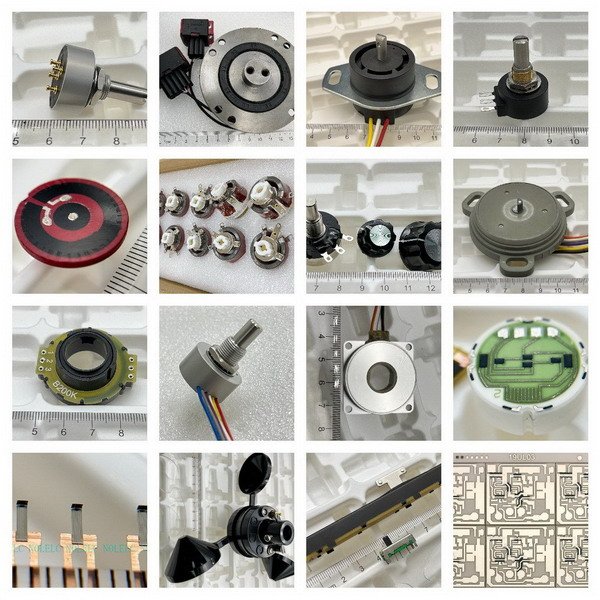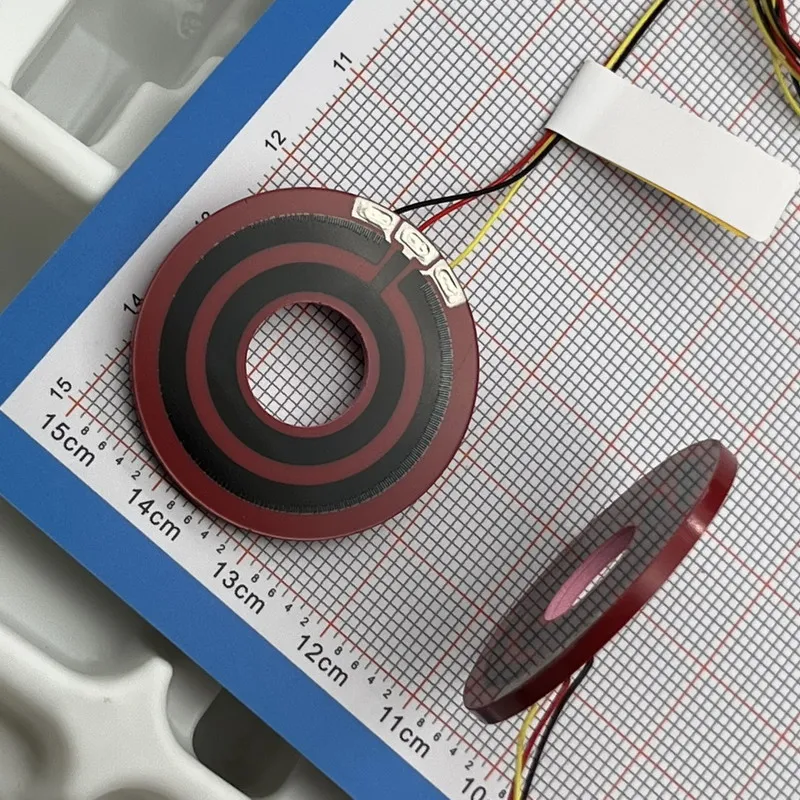

Struggling with inaccurate throttle responses or sensor readings in your vehicle? Understanding potentiometers could be the key to resolving common automotive issues.
Potentiometers in automobiles are variable resistors used to measure or control electrical signals, often playing a role in throttle control systems.
Curious about how this component impacts your car’s performance? Let’s explore its uses, functions, and potential malfunctions.
1) What is a potentiometer used in a car?
Confused about the purpose of potentiometers in vehicles? They’re integral for accurate sensor readings and control in modern automotive systems.
In cars, potentiometers are primarily used in sensors like throttle position sensors (TPS)1 to detect and regulate movement.
Potentiometers work by translating mechanical movement into an electrical signal. For example, the throttle position sensor uses this mechanism to relay the position of the throttle to the car’s engine control unit (ECU)2. This ensures the right amount of fuel and air enters the engine, optimizing performance.
Common Uses of Automotive Potentiometers
| Component | Function | Example Application |
|---|---|---|
| Throttle Position Sensor | Monitors throttle valve position | Fuel injection system3 |
| Steering Angle Sensor | Measures steering wheel rotation | Electronic stability control4 |
| HVAC Controls | Adjusts temperature and fan settings | Climate control system |
2) Is a potentiometer a sensor or actuator?
Wondering if a potentiometer acts as a sensor or an actuator? Let’s clear up the confusion.
A potentiometer is a sensor, not an actuator5. It detects changes and sends signals to control systems.
Unlike actuators, which create physical movement, potentiometers are passive components that convert physical movement (like rotation or sliding) into variable resistance. This resistance is then interpreted by the ECU to adjust vehicle functions accordingly.
Sensor vs. Actuator Comparison
| Feature | Sensor | Actuator |
|---|---|---|
| Purpose | Detects and measures input | Executes mechanical output |
| Example | Potentiometer (TPS) | Motor controlling a throttle |
3) Is a TPS a potentiometer?
You may have heard that a throttle position sensor (TPS) is related to potentiometers. But are they the same?
Yes, a TPS is a type of potentiometer designed to measure the throttle valve’s position in your car.
The TPS provides continuous feedback to the ECU, which adjusts the fuel injection and ignition systems accordingly. By understanding the throttle’s position, the ECU ensures efficient engine operation, improved fuel economy, and reduced emissions.
Advantages of Potentiometer-Based TPS
- Precision: Offers accurate readings for throttle positioning
- Cost-Effectiveness: Simple design reduces manufacturing costs
- Durability: Reliable in high-vibration environments
4) How does a potentiometer work as a sensor?
Ever wondered how a potentiometer functions in your car’s sensor systems? Here’s a simplified explanation.
A potentiometer works as a sensor by translating mechanical movement into a variable electrical signal for processing by control units.
When used in automotive sensors like the TPS, the potentiometer has a wiper connected to the throttle shaft. As the shaft moves, the wiper slides along a resistive element, changing the resistance. This variation is converted into a voltage signal proportional to the throttle position.
Working Principle Breakdown
| Component | Role |
|---|---|
| Resistive Track | Provides variable resistance |
| Wiper | Moves to vary resistance |
| Voltage Output | Indicates position or movement |
5) What happens when the throttle position sensor goes bad?
Have you experienced engine performance issues? A faulty TPS might be the culprit.
A bad TPS can cause erratic engine behavior, reduced fuel efficiency, or even complete stalling.
Symptoms of a failing TPS include inconsistent acceleration, sudden surges or dips in engine speed, and a check engine light. Prolonged issues can strain other engine components, leading to costly repairs.
Signs of TPS Failure
| Symptom | Possible Cause |
|---|---|
| Poor Acceleration | Incorrect throttle position |
| Rough Idling | Unstable sensor signals |
| Check Engine Light | Error codes related to TPS |
6) Conclusion
Potentiometers play a critical role in automotive systems, especially in sensors like the TPS. Their ability to convert movement into electrical signals ensures accurate control and optimal performance. Understanding their function helps diagnose and address vehicle issues effectively.
-
Discover how TPS devices detect throttle movement to improve engine performance and efficiency. ↩
-
See how an engine control unit optimizes fuel-air mix based on sensor input. ↩
-
Explore how fuel injection relies on accurate throttle feedback to regulate the air-fuel ratio. ↩
-
Understand how electronic stability control uses steering data for safe handling. ↩
-
Find out how actuators physically execute commands from sensors or control units. ↩