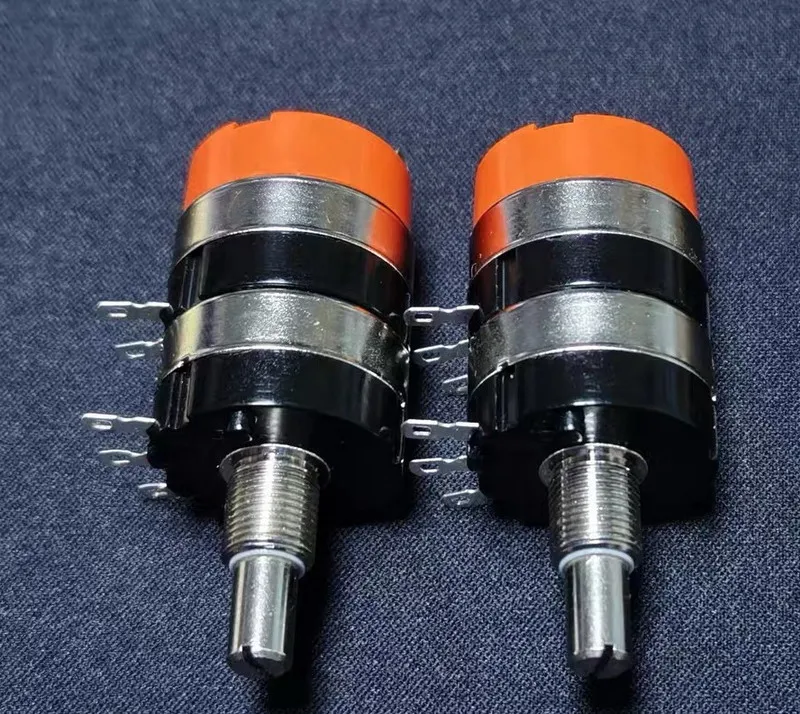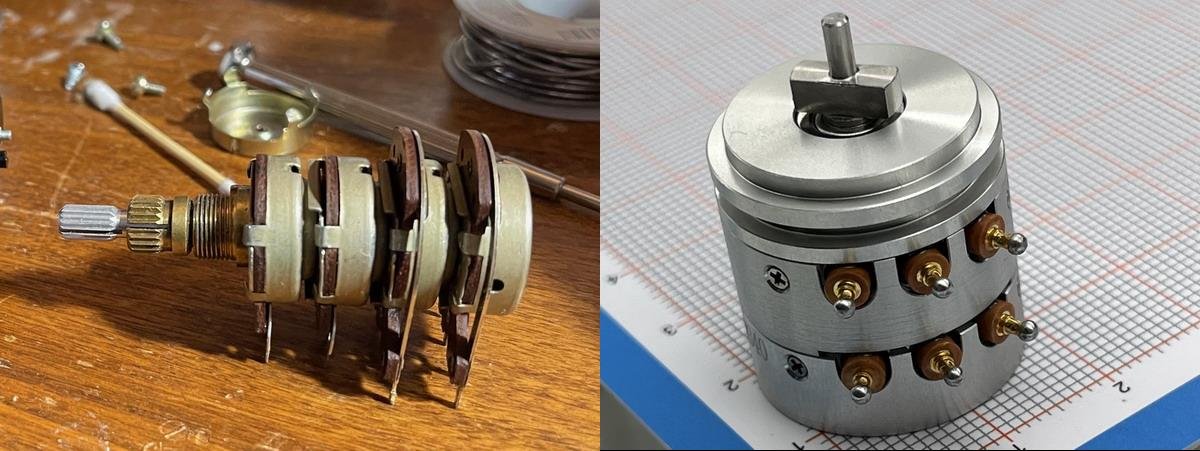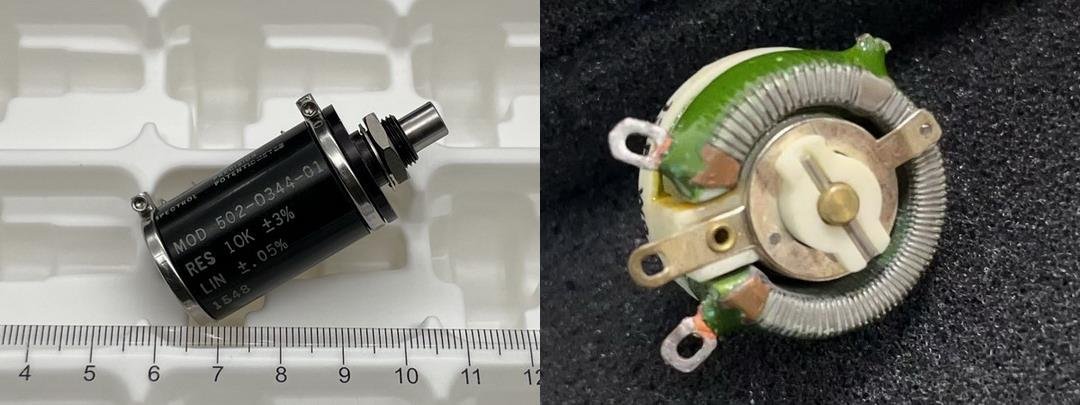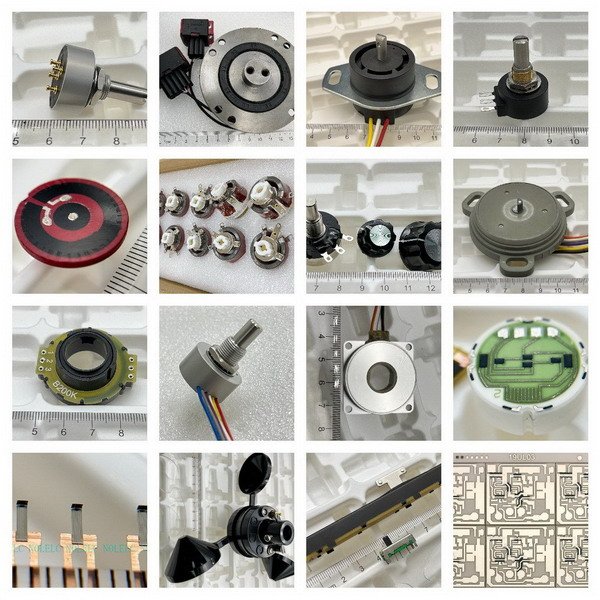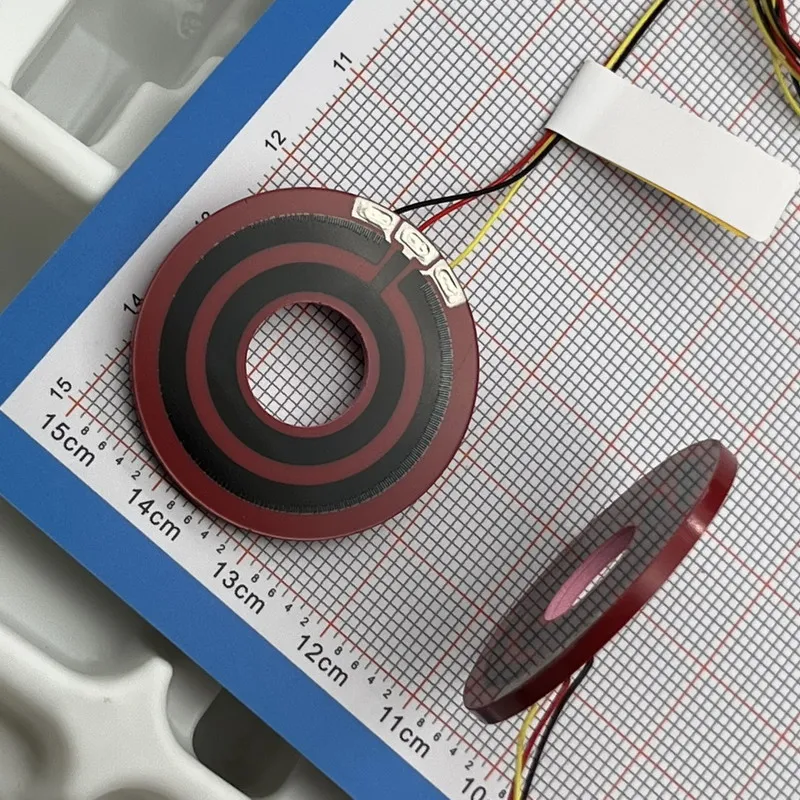

The figure shows a high-precision wind direction sensor.
Precision in measuring angles is vital for modern systems, from automotive safety to industrial automation. Angle sensors play a crucial role in these applications.
An angle sensor detects and measures the angular position or rotation of an object, enabling precise control in various systems.
Let’s dive into their functionality, applications, and the challenges of dealing with a malfunctioning steering angle sensor.
1) What Does an Angle Sensor Do?
Angle sensors ensure accurate detection of position and rotation in numerous applications. But what makes them essential?
Angle sensors measure rotational or angular displacement, often leveraging magnetic, resistive, or optical technologies for high precision and reliability.

1.1 Key Functions of Angle Sensors
Angle sensors are integral in:
- Automotive systems: Ensuring proper steering and stability control.
- Robotics: Guiding movements with precision.
- Industrial machines: Monitoring rotational components for efficiency.
| Application Area | Function | Example |
|---|---|---|
| Automotive | Steering angle detection | Traction control systems |
| Robotics | Position monitoring | Robotic arm movement |
| Industrial equipment | Rotational speed measurement | Conveyor belt systems |
Their ability to provide real-time data makes them indispensable for optimizing performance.
2) What Does a Steering Angle Sensor Do?
In vehicles, steering angle sensors are vital for driver safety and control. But how do they work?
A steering angle sensor detects the rotation and position of the steering wheel, sending data to vehicle stability systems.
2.2 Steering Angle Sensor in Action
This sensor is critical for features like:
| System | Steering Angle Sensor Role |
|---|---|
| ESC | Stabilizes vehicle in skids |
| ACC | Adjusts for safe navigation |
| LKA | Maintains precise lane control |
By feeding accurate data, the sensor enhances overall driving safety.
3) What Happens When a Steering Angle Sensor Goes Bad?
A faulty steering angle sensor can disrupt essential safety systems in vehicles. But what exactly happens?
When a steering angle sensor malfunctions, systems like ABS and traction control may fail, compromising safety and performance.
3.3 Identifying and Addressing Sensor Issues
Common symptoms of a bad steering angle sensor include:
- Dashboard warning lights: Alerts for ABS or ESC.
- Poor vehicle handling: Reduced responsiveness.
- Malfunctioning safety features: Disabling of ADAS functionalities.
| Symptom | Possible Outcome |
|---|---|
| Warning lights | Indicates system malfunction |
| Reduced handling | Impairs driver control |
| Disabled ADAS features | Compromises advanced safety |
Timely diagnostics and repair can prevent further complications.
4) Which Sensor is Used to Measure Angle?
Different applications require specific types of angle sensors. Which one suits your needs?
Angle measurement commonly employs rotary encoders, potentiometers4, or magnetoresistive sensors5, depending on precision and durability requirements.

4.4 Comparing Popular Angle Sensors
Here’s a breakdown of the most common options:
- Rotary encoders: Best for high-resolution needs.
- Potentiometers: Ideal for basic, low-cost applications.
- Magnetoresistive sensors: Suitable for harsh environments.
| Sensor Type | Features | Typical Applications |
|---|---|---|
| Rotary Encoders | High precision | Robotics, industrial machines |
| Potentiometers | Simple, cost-effective | Consumer electronics |
| Magnetoresistive | Durable, works in tough conditions | Automotive systems |
Selecting the right sensor depends on the specific demands of your application.
Conclusion
Angle sensors are essential for accurate measurement and control in automotive, industrial, and electronic systems. Understanding their functionality and addressing potential issues ensures optimal performance and safety.
-
Learn how ESC prevents skidding and improves vehicle stability in critical conditions. ↩
-
Understand how ACC dynamically adjusts speed for safer driving experiences. ↩
-
Discover how LKA maintains lane position for enhanced driver safety. ↩
-
Find out why potentiometers are cost-effective solutions for basic angle sensing. ↩
-
Explore how magnetoresistive sensors offer rugged performance in harsh conditions. ↩