Skip to content

A three-cup anemometer is a versatile tool used to measure wind speed in various settings, including agriculture, industry, and meteorology. This type of anemometer features three cups arranged at 120-degree intervals around a central axis. When the wind blows, these cups rotate, and the speed of rotation correlates directly with the wind velocity. This motion is then translated into electrical signals, such as pulses or currents, that can be processed by data loggers or control systems to provide real-time wind information.
1) How Does It Work?
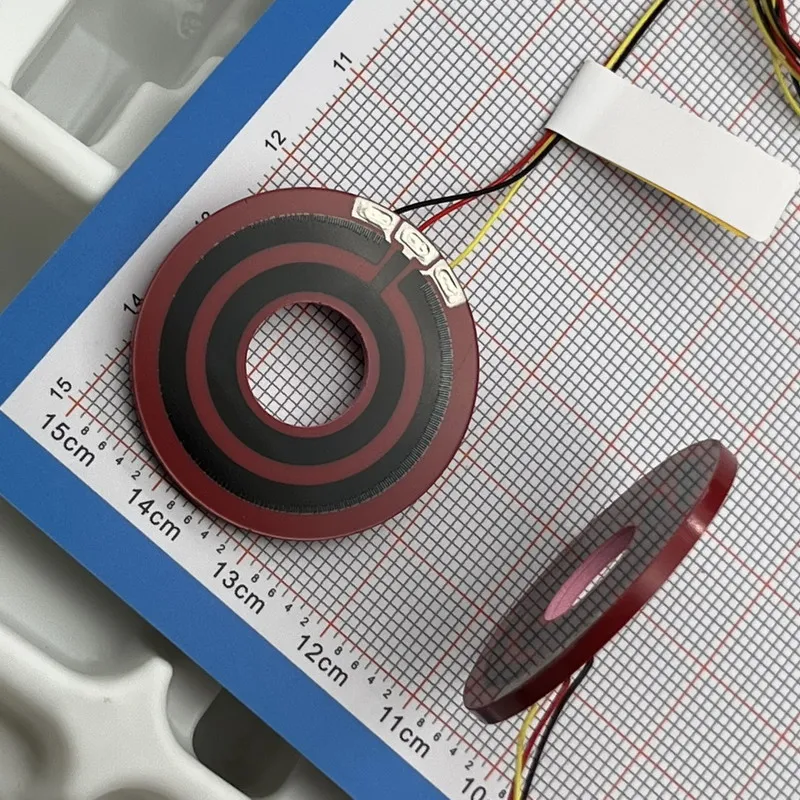
The principle behind a three-cup anemometer is straightforward: the cups catch the wind, and as the wind speed increases, the rotational speed of the cups also increases.High-end modelstypically utilizeoptical or magnetic encodersto translate the rotation into highly accurate wind speed measurements. Lower-cost models may rely on more basic mechanical components, making them suitable for environments where ultra-high precision is not required. Typically, these devices measure wind speeds up to45-50 m/s, but newer models can measure up to96 m/s, which is useful in extreme weather conditions like hurricanes or for wind tunnel testing.
2) Applications in Agriculture and Industry
Inagriculture, accurate wind data is essential for several key tasks:
- Pesticide Application: Farmers can optimize spraying schedules by using real-time wind information to minimize chemical drift, ensuring that pesticides are applied evenly and effectively.
- Crop Protection: Windbreaks or protective measures can be set up based on wind forecasts to shield crops from damage due to strong winds.
Inindustrial and meteorologicalsettings, anemometers play a crucial role in maintainingsafety and efficiency. For instance, inconstructionandenergy production, especially in wind farms, precise wind data is necessary for monitoring environmental conditions, optimizing energy generation, and ensuring that work is carried out under safe conditions.
3) Benefits of Using Three-Cup Anemometers
- Reliability: These devices are known for their robustness and ability to function in harsh environments with minimal maintenance. This makes them ideal for long-term outdoor applications.
- Cost-Effectiveness: Compared to more complex systems like ultrasonic anemometers, three-cup designs provide a balance between affordability and accuracy, offering great value for a wide range of industrial and environmental monitoring applications.
- Versatility: These anemometers can be integrated with various output systems (such as RS-485, 4-20mA, or voltage output), making them adaptable for different setups and industries.
4) Advanced Wind Speed Measurement
The evolution of wind measurement technology has enabled these anemometers to operate in increasingly extreme conditions. Today, some models can measure wind speeds as high as96 m/s—well beyond the typical ranges seen in older models. This capability is crucial forhurricane monitoring,wind tunnel testing, andaerospace applications, where precise high-speed measurements are necessary.
In conclusion,three-cup anemometersremain a trusted and reliable tool across various sectors, known for their simplicity, durability, and ability to deliver accurate wind measurements in both everyday and extreme conditions. Their adaptability and cost-effectiveness ensure they will continue to be widely used in agriculture, industry, and meteorology.