Skip to content

In meteorology, wind direction and speed are essential data points. A measuring wind vane is a specialized instrument that captures changes in wind direction, providing precise data for fields like meteorology, agriculture, and aerospace. Unlike traditional wind vanes, which only indicate direction, measuring wind vanes also transmit real-time data for monitoring and analysis.
1) Types of Core Components in Measuring Wind Vanes
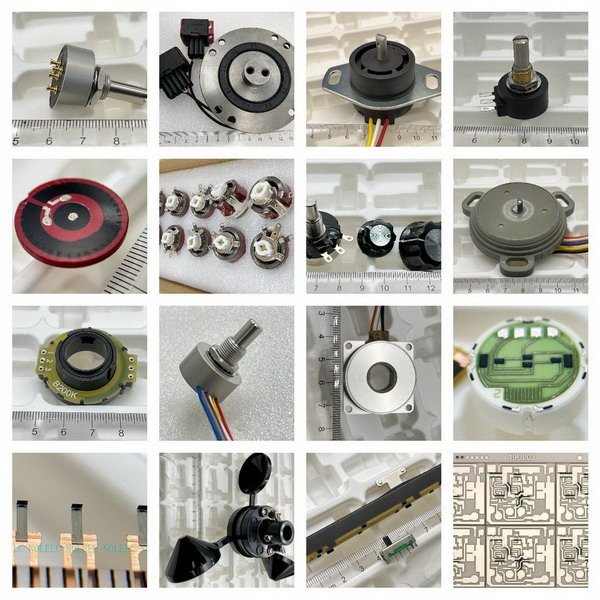
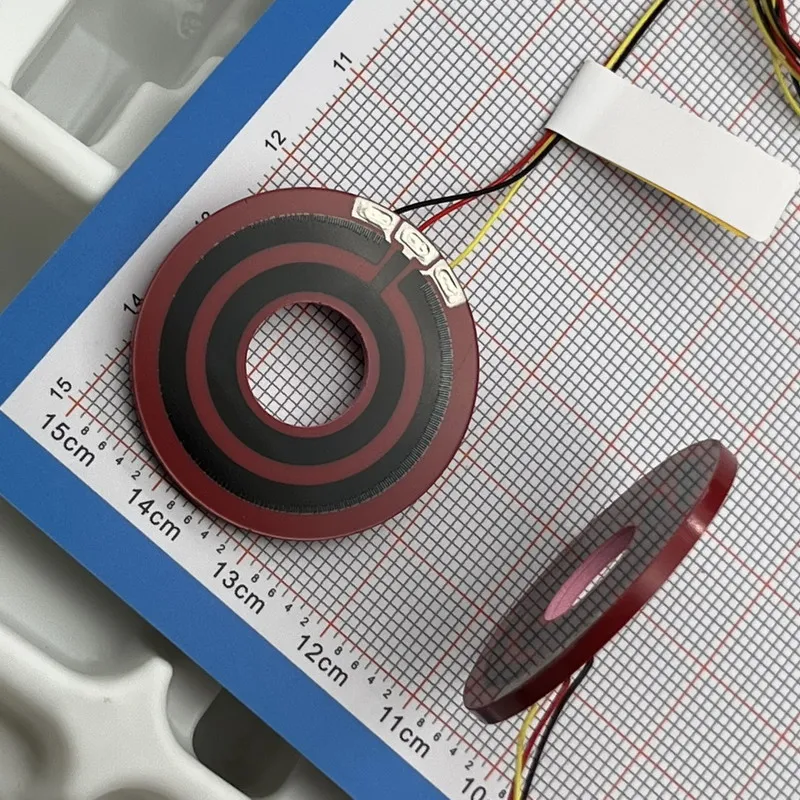
The core component of a measuring wind vane, whether it is an encoder or angle sensor, can be categorized into two main types: contact-type and non-contact (Hall-effect).
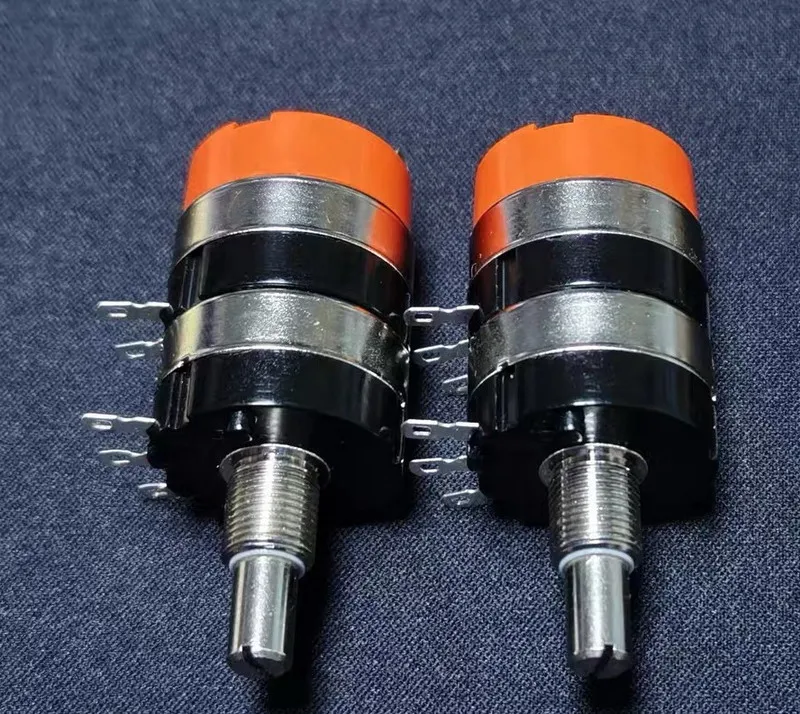
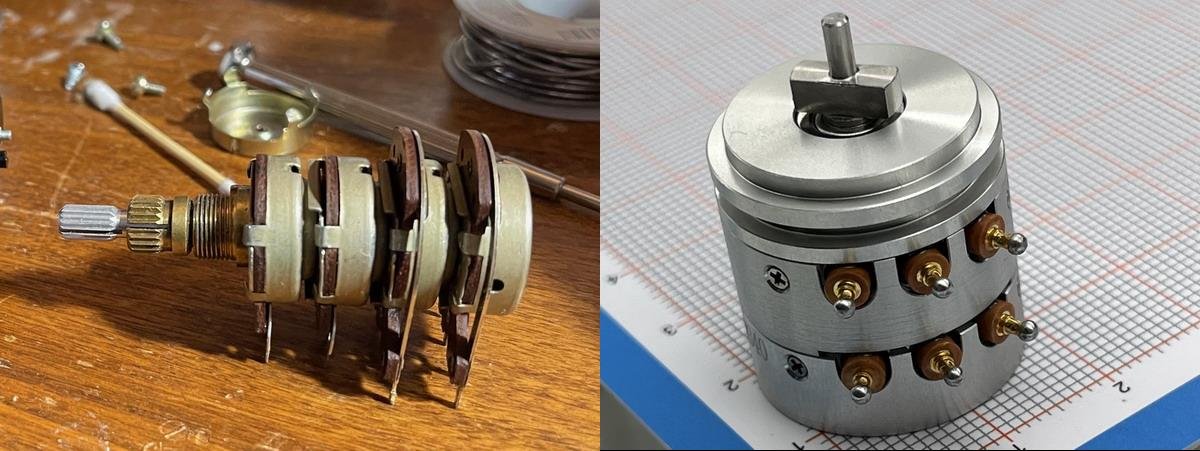
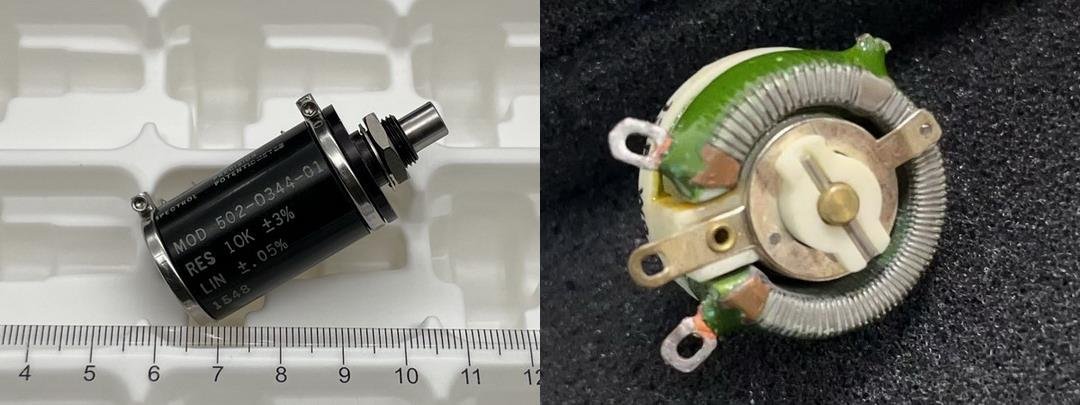
- Contact-Type Components: These utilize mechanical parts, such as potentiometers, to detect changes in wind direction. Although they are accurate, mechanical wear over time can reduce their lifespan and reliability.
- Non-Contact (Hall-Effect) Components: These components measure wind direction by detecting changes in magnetic fields. Hall-effect sensors offer higher precision, lower power consumption, and longer life because there are no mechanical parts subject to wear. Many national meteorological stations prefer these components due to their low power consumption, typically requiring less than 5mA of current and operating within a voltage range of 5-15V.
2) Power and Voltage Requirements
Non-contact wind vanes are highly energy-efficient, ideal for remote installations. They operate within stringent power requirements, consuming ≤5mA of current with voltage ranges between 5-15V. This low power demand makes them suitable for long-term, unattended monitoring.
3) How Measuring Wind Vanes Work
A measuring wind vane operates similarly to traditional wind vanes but incorporates advanced technology for data collection and transmission. Here’s how it works:
- Capturing Wind Direction: The wind vane aligns with the wind's direction using a blade or arrow.
- Sensor Detection: The internal sensor, whether it's a potentiometer or Hall-effect sensor, detects changes in the wind vane's angle and converts this into an electrical signal.
- Signal Processing: The signal is then processed by electronics and transmitted to a monitoring system via analog or digital outputs.
4) Applications of Measuring Wind Vanes
Measuring wind vanes are used in various industries where accurate wind direction data is critical:
- Meteorological Stations: They provide essential data for weather forecasting. Non-contact wind vanes, with their low power requirements, are ideal for long-term usage in remote locations.
- Agriculture: Wind direction influences many aspects of farming, such as pesticide spraying and irrigation timing, helping farmers optimize their practices.
- Aerospace and Airports: Wind direction is critical for aviation safety during takeoff and landing. These wind vanes ensure that pilots receive accurate wind data.
- Wind Energy: Wind farms use these instruments to monitor wind direction, ensuring turbines are optimally aligned for maximum efficiency.
5) Advantages of Measuring Wind Vanes
Modern measuring wind vanes offer many advantages over traditional designs:
- High Precision: Non-contact sensors, especially Hall-effect sensors, deliver accurate and reliable measurements with minimal maintenance.
- Energy Efficiency: Low power consumption makes these instruments ideal for remote installations requiring long-term, uninterrupted monitoring.
- Durability: These devices are built from durable, corrosion-resistant materials to withstand harsh environmental conditions.
- Integration: Measuring wind vanes can be seamlessly integrated into broader meteorological systems, working alongside other sensors to provide comprehensive data.
6) Summary
Measuring wind vanes are essential tools for industries that depend on accurate wind data. Non-contact Hall-effect models are preferred due to their high precision, low power consumption, and durability. These instruments ensure that industries ranging from agriculture to aerospace can rely on accurate, long-term wind monitoring.