Skip to content

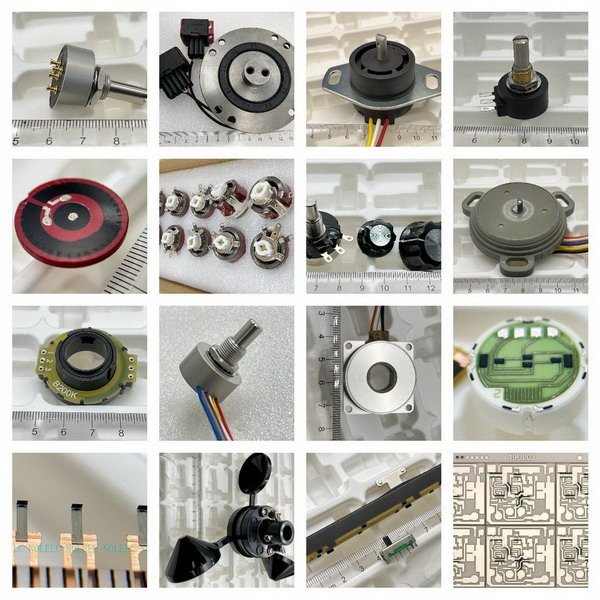
Automotive applications demand precision, durability, and flexibility when it comes to control systems. Rotary actuators play a critical role in various vehicle systems, such as throttle control, steering angle sensors, and HVAC systems. These actuators convert rotary motion into electrical signals, enabling accurate feedback for system adjustments. Two main components used in these actuators are rotary potentiometers and rotary encoders, each offering unique benefits depending on the application.
1) Rotary Potentiometers in Automotive Use
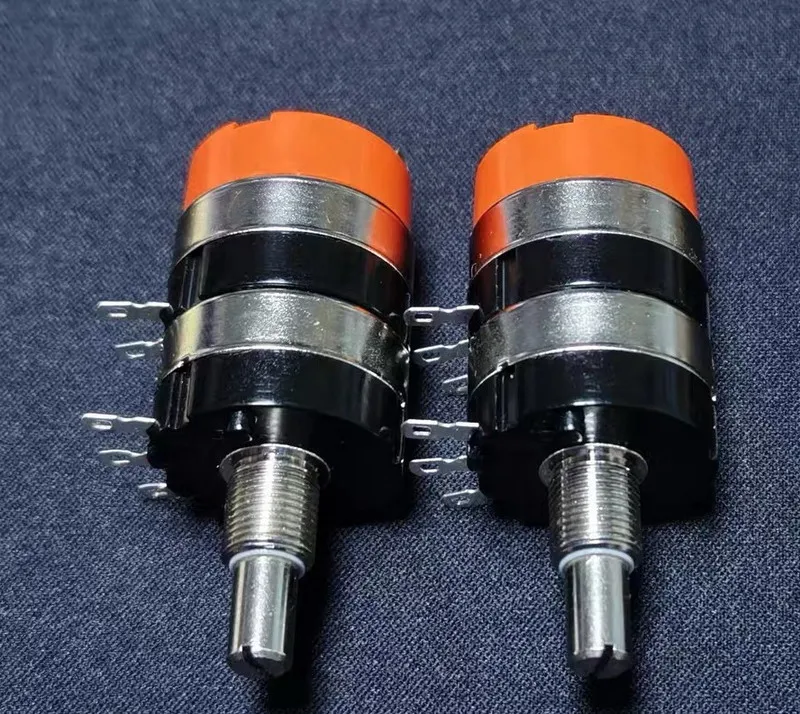
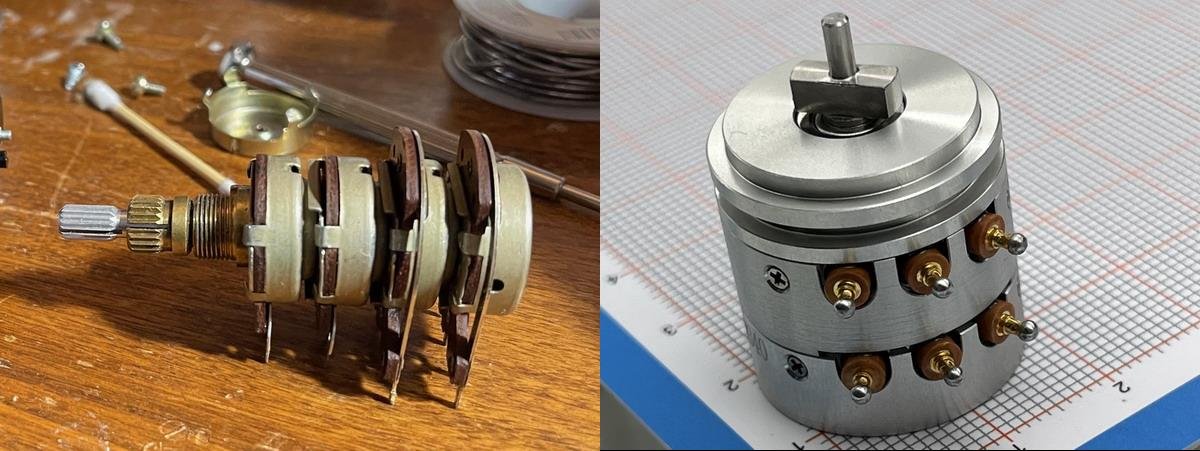
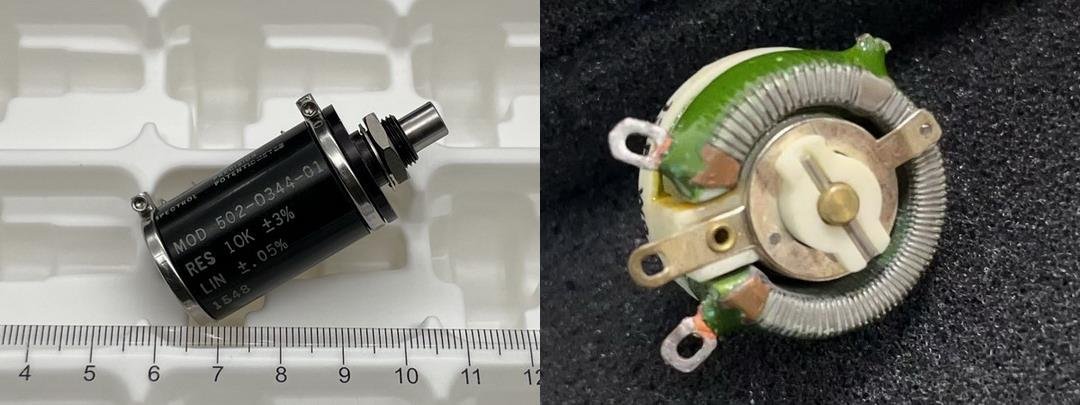
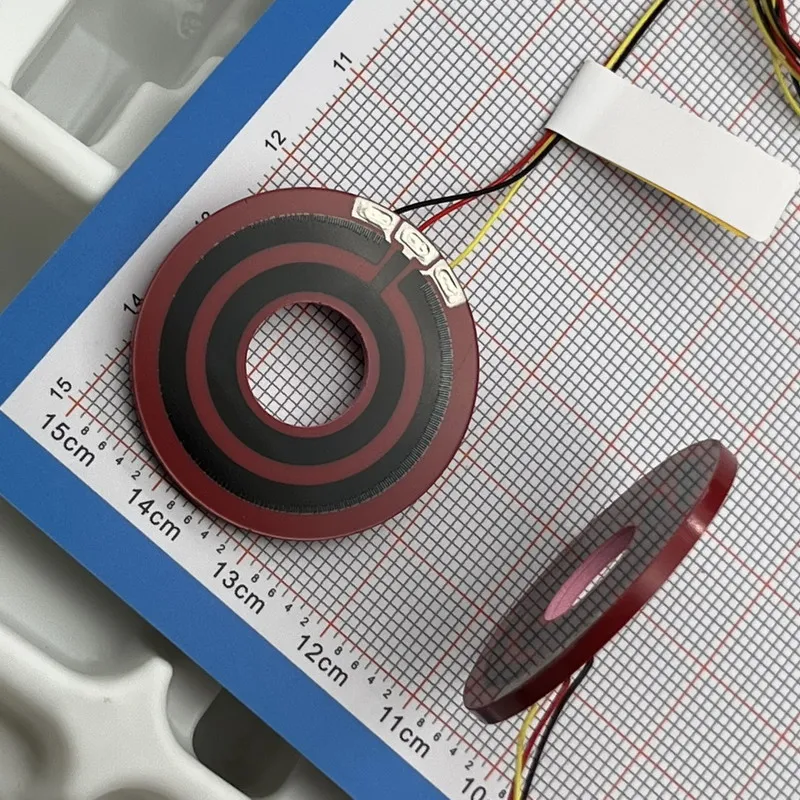
A rotary potentiometer functions as a variable resistor that adjusts output voltage according to the angle of rotation. It has a simple design with a resistive element and a wiper that moves as the device rotates. These devices are popular in automotive applications where limited-range rotation (typically around 270 degrees) is sufficient, such as volume controls or pedal position sensing.
One key benefit of potentiometers is their analog output, which provides continuous, smooth feedback on the actuator’s position. However, they come with limitations in durability due to mechanical wear over time, especially in high-vibration environments like vehicles(Electronic Components)(Arduino Forum). Their lifespan can be shortened when subjected to extreme conditions, although automotive-grade potentiometers, such as those offered by Panasonic, are built to withstand these challenges(Electronic Components).
2) Rotary Encoders: Precision and Flexibility
In contrast, rotary encoders provide digital feedback, often favored for applications that require high precision and long life. Encoders can be absolute or incremental. Absolute encoders give a unique code for each position, which is crucial for systems that need to know the exact position upon startup, while incremental encoders track changes in position but require calibration for an initial position(Vishay).
Encoders also allow for continuous rotation, unlike potentiometers, which have a limited range. This feature makes them suitable for systems like steering angle detection, where multiple turns may be needed. Furthermore, encoders do not suffer from the mechanical wear that affects potentiometers, making them ideal for high-end automotive applications where reliability and longevity are paramount (Vishay)(Electronic Components).
3) Choosing Between Potentiometers and Encoders
The choice between potentiometers and encoders depends on the specific needs of the automotive system. Potentiometers are cost-effective for simple applications requiring limited rotation, but encoders offer greater durability and precision for more complex systems. For example, if long-term reliability and precision across a wider range of movement are critical, rotary encoders are the superior choice, albeit at a higher cost(Arduino Forum).
In summary, both potentiometers and encoders serve essential roles in automotive actuators. Potentiometers offer simplicity and continuous analog feedback but may wear out over time. Encoders provide digital precision, durability, and flexibility, making them the go-to choice for high-end applications. Selecting the right component depends on balancing cost, reliability, and the specific demands of the automotive system.