Skip to content


Summary
How to choose between wirewound power resistors and carbon film potentiometers based on electrical performance when they have similar appearance?
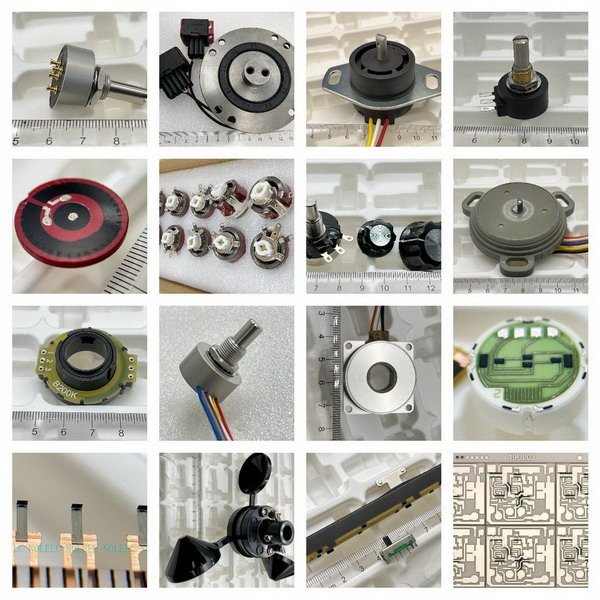
Based on the introduction in the previous article [Simple Classification Methods For Potentiometers], you have already learned how to classify potentiometers generally. However, when faced with the same application space where potentiometers can be made to the same size, shape, or operation mode, how should you choose based on some common characteristics (such as resistance material and corresponding wiper)?
Power Rating
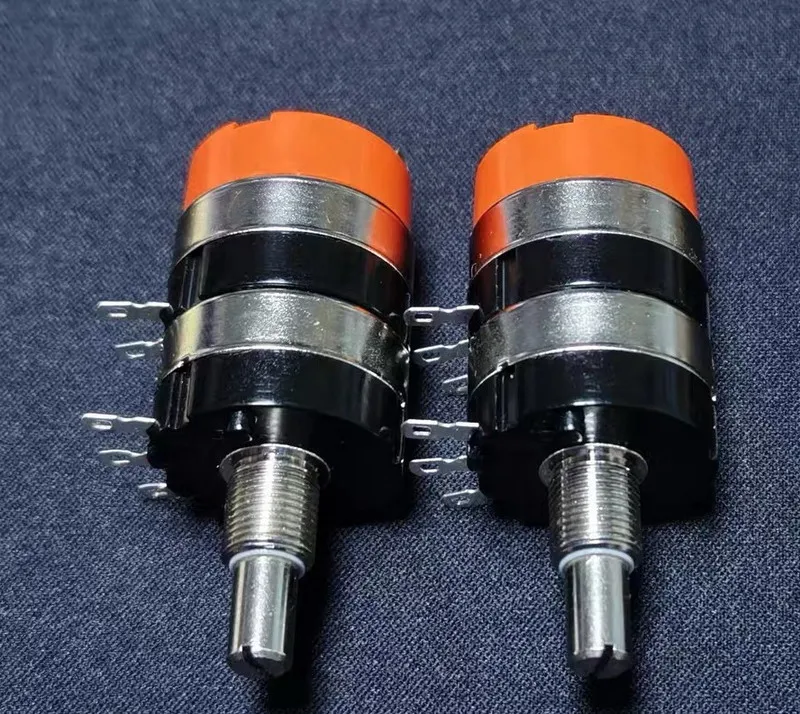
Wirewound power resistors generally have a higher power rating compared to carbon film potentiometers. A wirewound power resistor can handle power up to 2W, whereas a carbon film potentiometer's power rating ranges from as low as 0.05W to a maximum of 0.25W.
Longevity
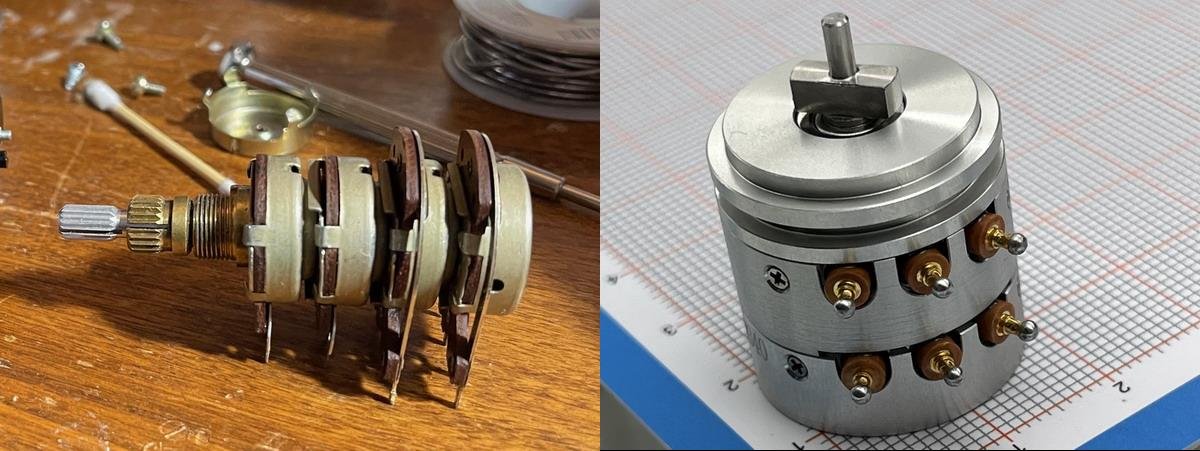
The longevity of wirewound power resistors is relatively shorter, with a maximum lifespan of around 5 million cycles, translating to about 500,000 to 1 million single-turn operations. In contrast, carbon film potentiometers, if made with high-quality materials and excellent craftsmanship, can last up to 10 million cycles.
Linearity
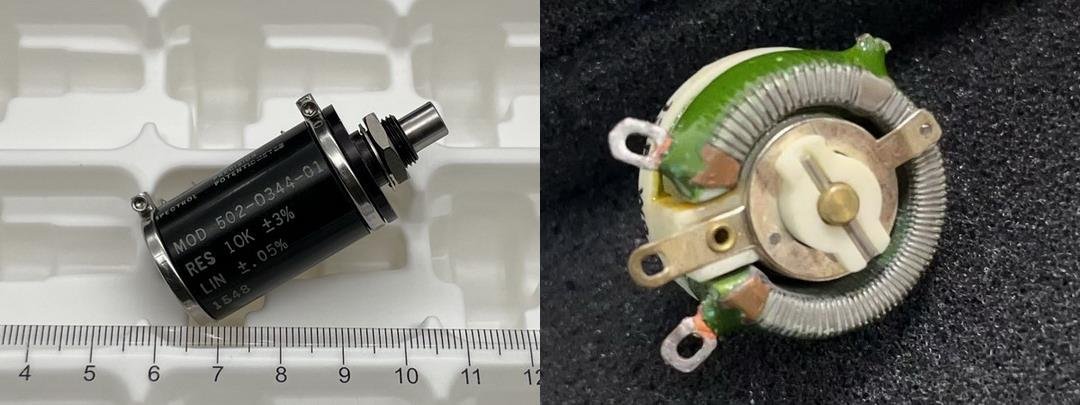
In terms of linearity, wirewound power resistors can achieve an impressive accuracy of ±0.05%, which is superior to carbon film potentiometers. The best linearity for carbon film potentiometers currently stands at ±0.15%.
Manufacturing Complexity
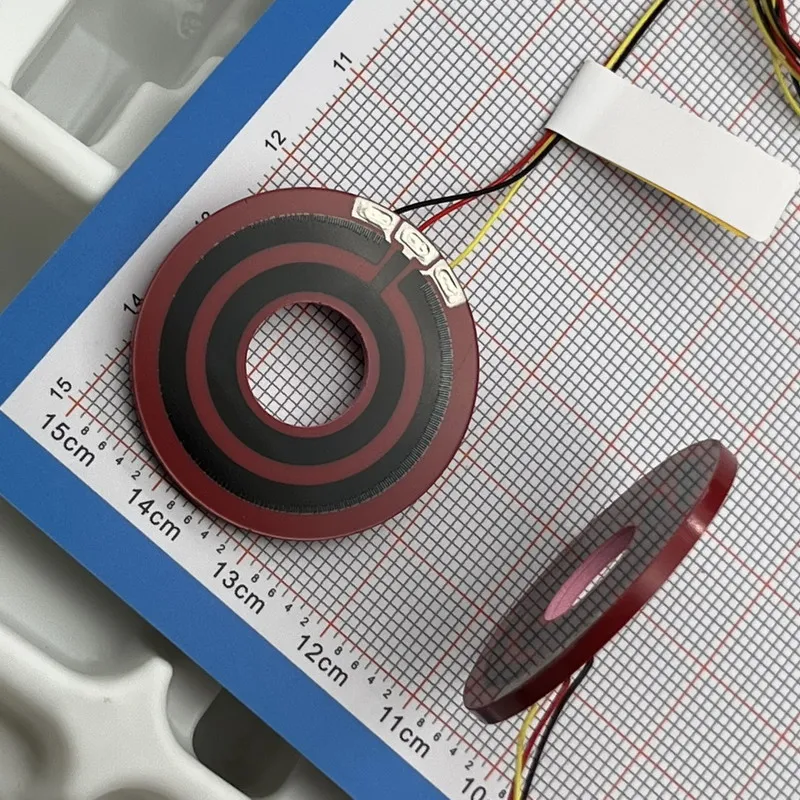
The production of wirewound power resistors is more complex due to the need to wind the resistance wire precisely. In contrast, carbon film potentiometers are manufactured through a more straightforward process of carbon film printing, which requires laser trimming to achieve the desired linearity.
Temperature Coefficient
Wirewound power resistors have a significantly lower temperature coefficient, as low as 10ppm, which is a parameter that carbon film potentiometers (except for those with metal glaze) cannot achieve. The temperature coefficient for carbon film potentiometers generally ranges from 150 to 500ppm, while metal glaze variants can achieve 100ppm.
Cost Considerations
High-precision, long-life wirewound power resistors tend to be more expensive compared to their carbon film counterparts due to their complex manufacturing process and superior performance characteristics.
In summary, the choice between wirewound power resistors and carbon film potentiometers depends on the specific requirements of the application, considering factors like power rating, longevity, linearity, temperature stability, and cost.