- Cola@nolelc.com
- +86 13316922313

 Skip to content
 Custom-built. Performance-focused. Cost-controlled.
10M+ life cycles, ±0.1% linearity, 200 ppm/°C TCR, low noise, with MIL-PRF-39023 support when required.
Spec confirmation → sample validation → small-batch scale-up/delivery
Typical sample lead time: around 25 days

At NOLELC, we keep improving resistive elements through material adjustment, process validation, and production feedback.
For some applications, we can also offer high-performance carbon-film elements as an alternative to conductive-plastic ones, with similar stability and better cost control.
Overview
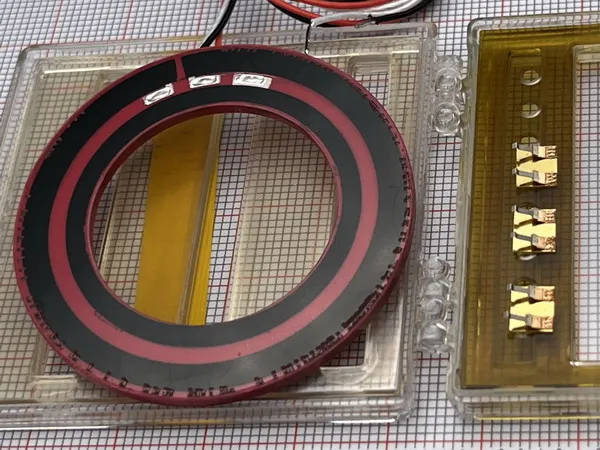
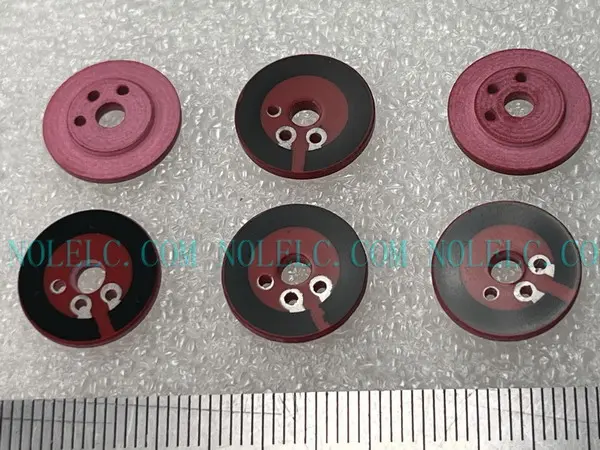
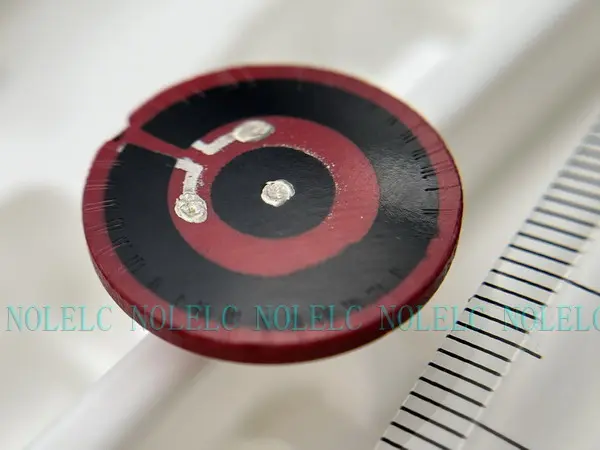
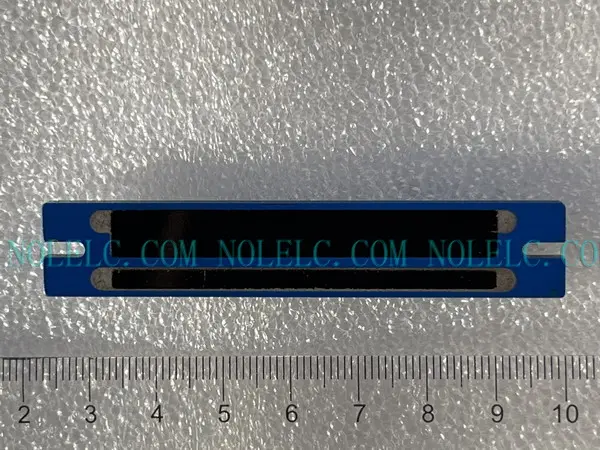
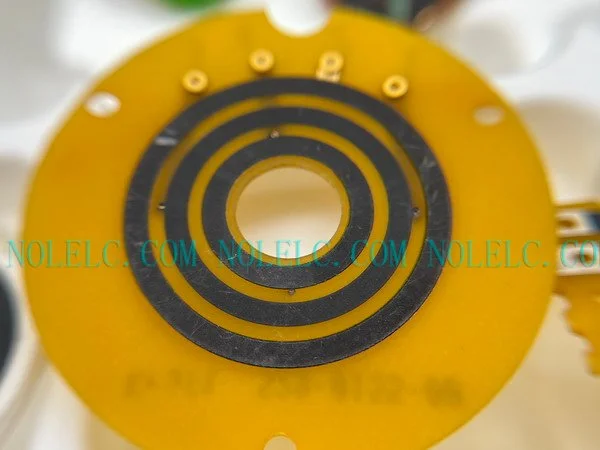
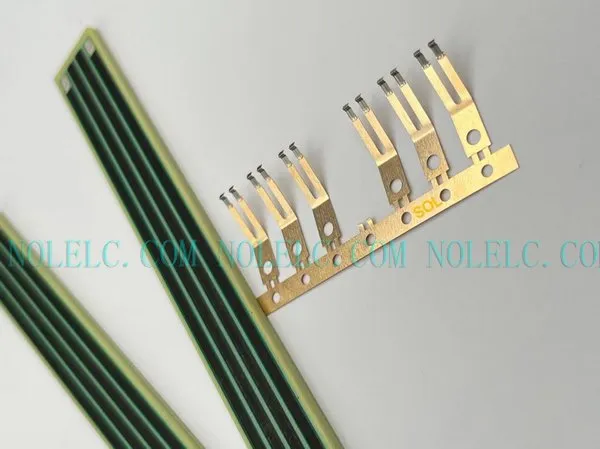
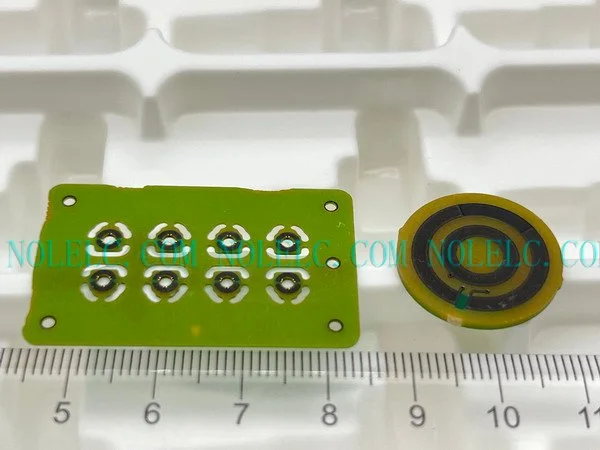
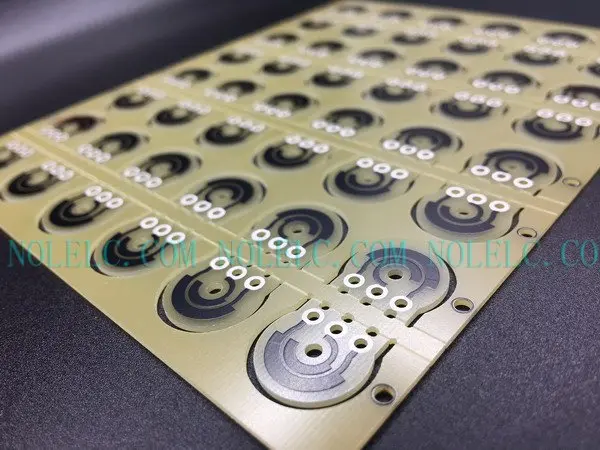
Conductive plastic targets long life, low noise (low CRV), and high linearity. Compared with carbon film, it offers smoother output, better long-term stability, and a markedly longer cycle life.
Our conductive-plastic elements can also be produced using a co-molded molding process, if required.
Customizable to meet MIL-PRF-39023 requirements, with options including –65 °C to +125 °C operating range, TCR ≤ 200 ppm/°C (depending on material system), and linearity up to ±0.15%.
Key Features
Low contact noise; stable linearity and repeatability
Fine control feel; suited to frequent/continuous actuation
Maintains performance across a wide temperature range
Typical Applications
Servo-feedback potentiometers (angle/position feedback in actuators, gimbals, precision drives)
Instrument-grade controls and high-reliability HMI knobs
Precision adjustments and calibration parts in automation/robotics
Military and aerospace position-feedback and control systems
When to Choose
Select conductive plastic when life, low noise, and linearity matter more than minimum cost.
Overview
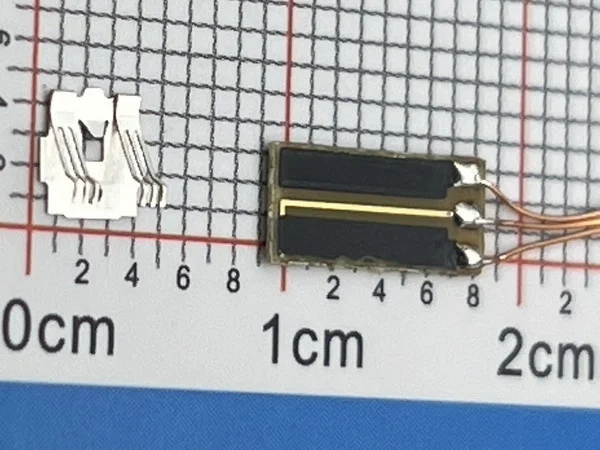
Carbon film is a widely used and cost-effective material for membrane-type resistive elements. It prints easily, supports fast production, and works well for both simple and hybrid designs.
High-performance carbon-film versions can even replace conductive-plastic (CP) elements in some projects, especially when the required lifetime does not exceed about 10 million cycles.
Key Features
Printable and laser-trimmable; wide resistance range
Works on FR-4, flexible films, or ceramic substrates
Operating temperature: -55 °C to +125 °C
Natural path toward thick-film or hybrid integration
Typical Applications
Consumer and appliance controls (volume, dimming)
Rotary/linear controls and educational kits
Cost-sensitive sensors where large production scale is required
Projects where carbon film can replace CP because lifetime needs are around 5–10 million cycles instead of 50+ million
When to Choose
Choose carbon film for high-volume or cost-targeted designs.
It is also a good option when the project does not require the full CP-level lifetime and when wider electrical angle or lower noise in small sizes is beneficial.

Overview
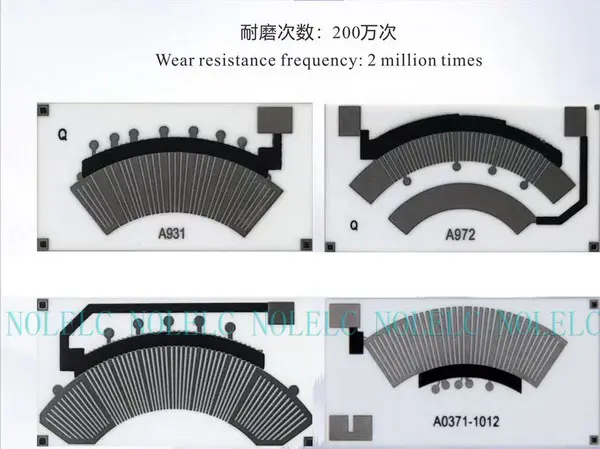
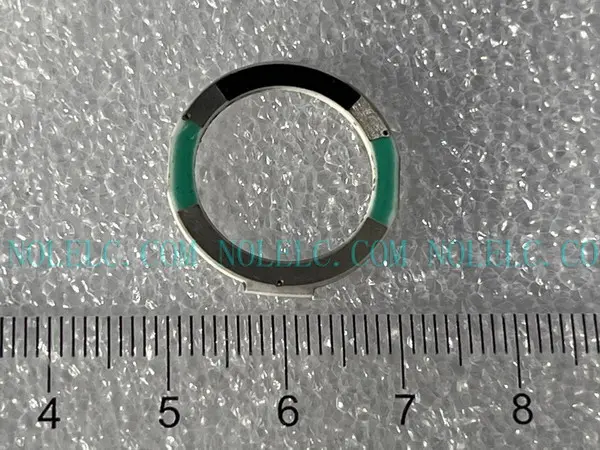
Cermet (ceramic–metal) film elements are membrane-type resistive tracks made by printing and firing cermet pastes on a substrate. They combine the wear resistance of thick-film technology with low TCR, good drift stability, and solid power density—slotting neatly between carbon film (cost-first) and conductive plastic (life/noise-first).
Key Features
Operating temperature: -55 °C to +220 °C
Better temperature/humidity stability than carbon film
Higher power density than conductive plastic of similar size
Rotary or linear geometries; single-, dual-, or multi-track
Compatible with laser trimming and hybrid-circuit integration on ceramics
Typical Applications
Instrument-grade set-point controls in power supplies, welding/motor controllers
Aerospace/medical/industrial knobs where low drift and low TCR matter
Servo set-point and calibration pots inside actuators and precision mechanisms
Hybrid ceramic modules that need a printed element with on-board trimming
When to Choose
Pick cermet when your design prioritizes temperature stability and drift performance over the very longest sliding life, and when you want higher power density than conductive plastic without moving to wire-wound.
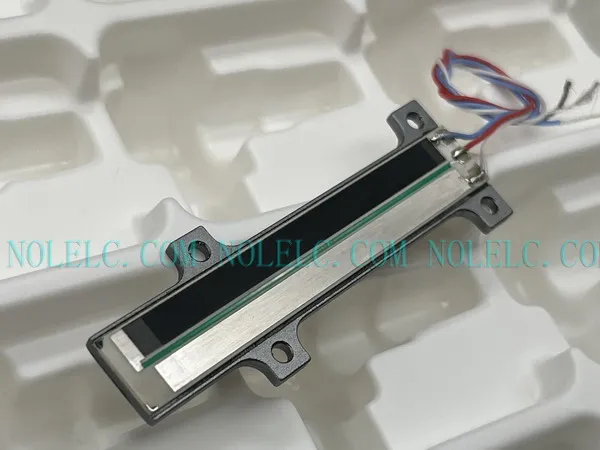
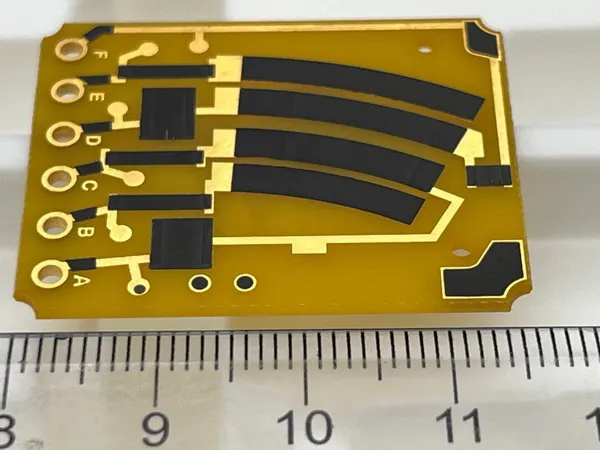
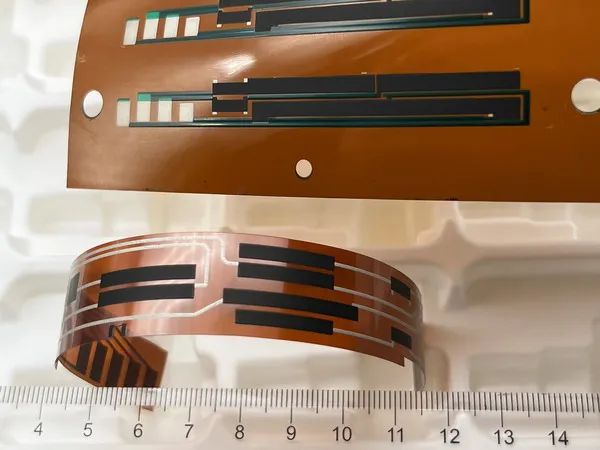
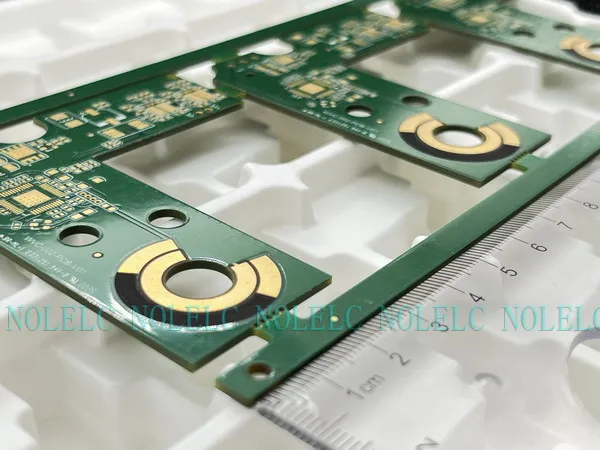
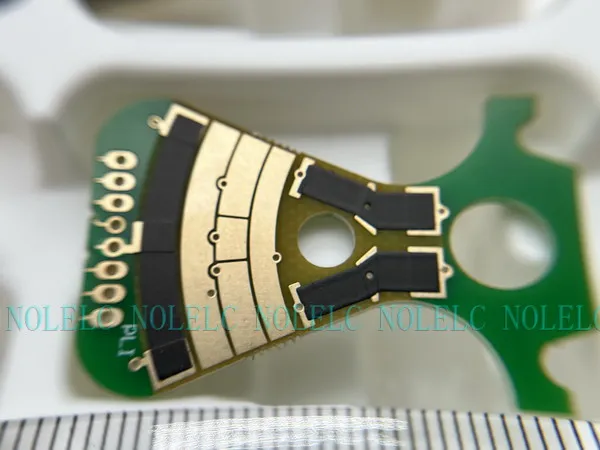
Overview
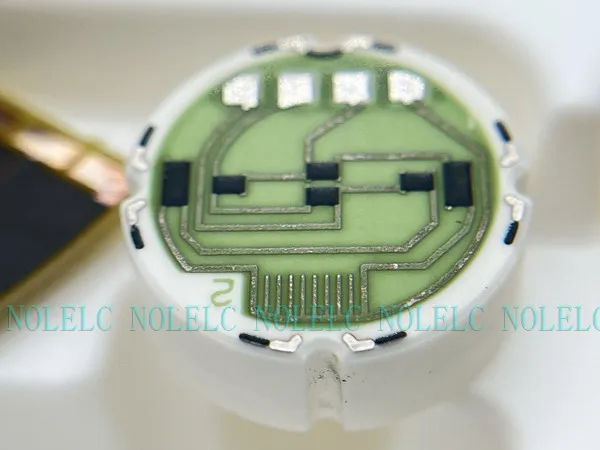
Derived from carbon-film printing, thick-film/hybrid circuits integrate printed resistors, conductors, and passive/active functions on one substrate, forming compact, rugged modules.
Key Features
Custom resistance tapers; on-board trimming pads
Laser-trim on ceramic/metal substrates; high reliability in harsh environments
Typical Applications
Automotive position sensors, notably TPS and APS
Industrial/harsh-environment modules that require printed resistors/conductors with laser trimming
Multi-signal sensors and conditioning circuits in compact packages
When to Choose
Use thick-film/hybrid when you need functional safety, high integration, and automotive/industrial-grade robustness.
Side-by-side specs for rotary/linear sensor elements to help you select the right printed resistive track.
| Material | Build | Life (cycles) | TCR (ppm/degC) | Operating Temp (degC) | Linearity | Laser Trim | Chem Resistance | Solderable Pads | Notes |
|---|---|---|---|---|---|---|---|---|---|
| Carbon Film | Standard | 10-20k (@ ~60 cpm) | ~500-1000 | -20 to +70 | < 1% (with optional trim) | Yes | Optional | Yes | Cost-effective printed track |
| Carbon Film | Custom | 0.2M-10M (up to ~600 cpm) | ~200-300 | -55 to +150 | Tight, via multi-point trim | Yes | Oil / industrial wash resistant | Yes | Total resistance drift <= 0.5% from -55 to +155 |
| Conductive Plastic | Standard | ~10M | ~500 | -45 to +75 | Moderate stability | Sometimes | Sealing / lube recommended | N/A | Very low CRV and smooth feel |
| Conductive Plastic | Custom | Up to ~50M | ~100-200 | -45 to +125 | High stability | Limited | Enhanced sealing options | N/A | Sensor-grade builds available |
| Cermet Film | Standard (low-temp process) | ~50k-100k | Varies | Typical indoor range | < 0.25% (typical) | Yes | Optional | No (Ag pads not solderable) | ~220 C for 20 min process; higher drift |
| Cermet Film | Custom (high-temp process) | ~10M-50M | ~100 | -55 to +220 | Tight, via trim on ceramic | Yes | Oil / industrial wash resistant | Yes | Fired at ~820 C for 2 h; ceramic hybrid ready |
You don’t have to pay extra for the same specifications. We help you reduce costs while fully meeting your standards.
Obsolete models don’t mean you have to scrap your equipment. We custom-make replacement parts for discontinued models.
Every week counts—delays are not an option. Our standard production lead time is just 45 days.
Small orders and minor adjustments matter, too. We handle custom tweaks and low-volume runs with fast turnaround.
You need proven reliability, not just paper specs. All our products come with real test reports.
You don’t just want a price—you want someone who truly understands your needs. We clarify your requirements before quoting, drawing on years of experience.
frequently asked questions
Questions about ordering
→ 30 Days Sample | 45 Days Mass Production
The minimum order quantity (MOQ) is 10 units.
A setup charge typically covers additional expenses related to customizing standard components or performing special operations requested by customers. These charges depend entirely on the complexity of the modifications, are design-specific, and usually apply to each order separately.
The Low Volume Charge (LVC) helps to clearly identify these fixed costs, ensuring transparency when ordering smaller quantities. This charge accounts for the higher proportion of fixed manufacturing expenses inherent in low-volume production runs.
Potentiometer Questions-Performance
We manufacture Conductive plastic ourselves and strictly control the processing flow to ensure the electrical performance of the resistor components.
Yes, we can provide mass production of replacement-type potentiometers and other related components.
Yes, we can customize and produce products such as angle sensors and linear sensors.
Tell us as specific as possible of your needs, provide the drawing, reference picture and share your idea.
We will work on the best solution according to your requirements and drawing, the specific quote will be provided within 24 hours.
We will start mass production after getting your approval and deposit, and we will handle the shipment.
This site is protected by reCAPTCHA and the Google Privacy Policy and Terms of Service apply.
Shenzhen Nolelc Electronic Technology Co., Ltd.
We provide custom and replacement potentiometer components for industrial, high-reliability, and specialized applications.
© 2026 NOLELC. All rights reserved.

Click to Chat
Hi, I am Cola from NOLELC. How can I help you?
WhatsApp Us
🟢 Online | Privacy policy
WhatsApp us
Your information will only be used to reply to your inquiry.
We usually reply within 1 business day.
Please check your inbox for emails from cola@nolelc.com.