Skip to content

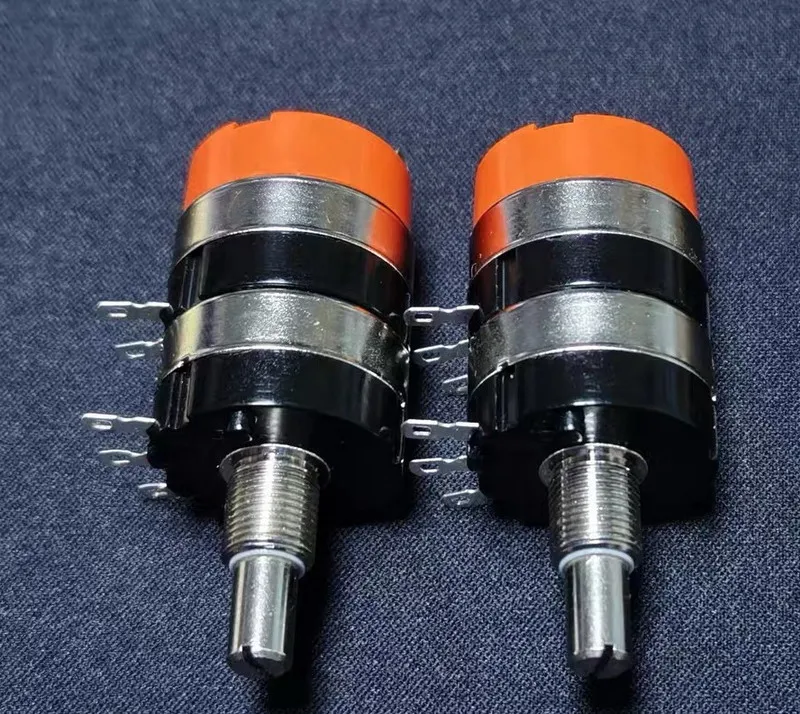
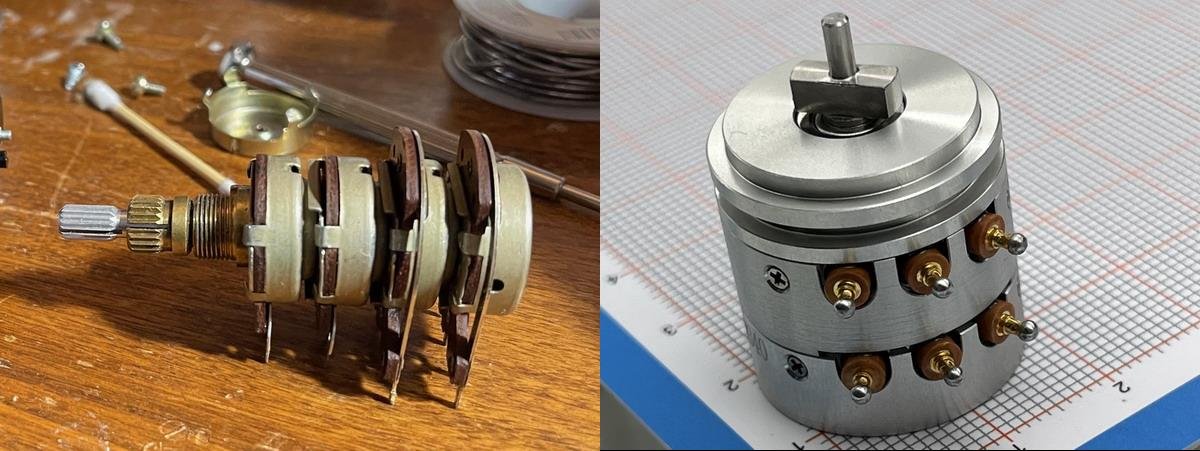
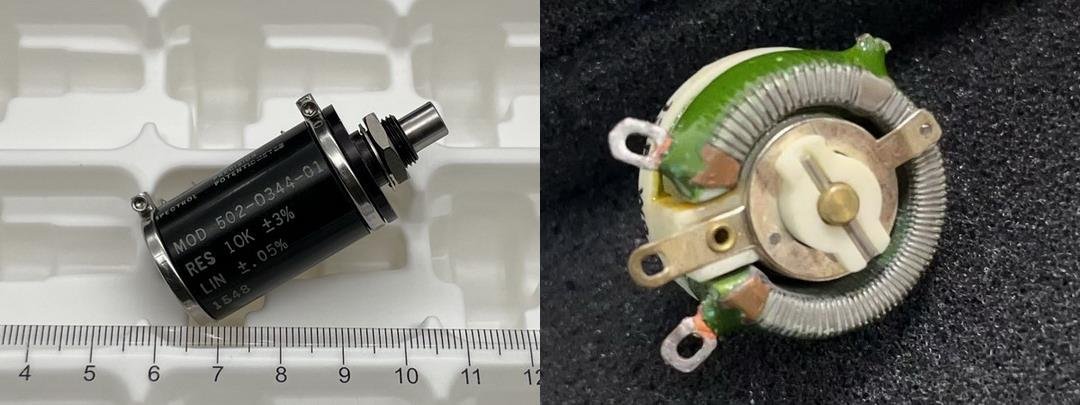
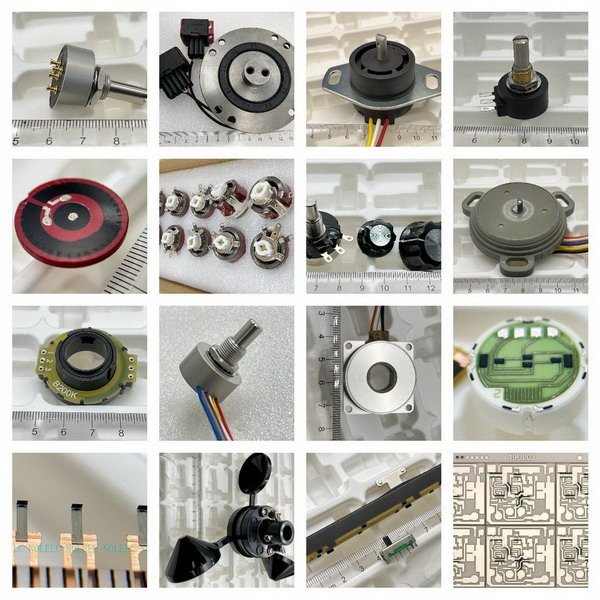
This image shows five common housing structures used in potentiometers and angle sensors: a stamped metal multi-gang design, injection-molded plastic housings, a stainless-steel industrial housing, anodized aluminum sensor shells, and a Bakelite hybrid structure. These examples highlight how different materials influence durability, temperature performance, and application suitability.
1. Why the Housing Is the Most Overlooked Yet Most Critical Structure
The housing is the first part most users notice, so many assume it is merely “appearance.”
For manufacturers, however, it is the foundation that supports the resistive track, the wiper assembly, the bearing, and the sealing system.
A good housing determines whether the device can remain stable, handle temperature changes, resist vibration, and maintain consistency over years of operation.
2. The Housing Is Appearance — But Appearance That Comes From Performance
A refined surface finish, smoother touch, or more durable texture are not cosmetic effects.
They are direct results of material properties:
- Corrosion-resistant materials keep their color
- Wear-resistant surfaces remain smooth
- Heat-stable materials retain shape
- High-strength metals resist shock and vibration
A “good-looking” housing is simply high performance expressed externally.
3. Performance Comparison Table (Five Core Housing Types)
| Housing Type | Temperature Resistance | Mechanical Strength | Corrosion Resistance | Lifespan Performance | Cost Level | Typical Applications |
|---|---|---|---|---|---|---|
| Stamped Metal | Medium | Medium | Medium | Stable | Low | Multi-gang pots, consumer devices |
| Injection Plastic | 85–120°C | Medium–Low | High | Good sealing | Low–Medium | Automotive, wind sensors, smart devices |
| Stainless Steel | 125–200°C | Very High | Very High | Excellent | High | Military, aerospace, precision sensors |
| Anodized Aluminum | 125–150°C | High | High | Excellent | Medium–High | Industrial actuators, position sensors |
| Bakelite Hybrid | ~120°C | Medium | Medium | Stable | Medium | Industrial equipment, legacy replacements |
4. The Five Core Housing Structures (Detailed Explanation)
Below are the five primary base-structure housing types used in potentiometers and angle sensors.
4.1 Stamped Metal Housing
Made from thin metal sheets formed by stamping.
Lightweight, highly efficient for mass production, with adequate heat dissipation.
Widely used in multi-gang potentiometers and consumer-grade products.
4.2 Injection-Molded Engineering Plastic Housing
Typical materials include PA66, PBT, and PC.
Lightweight, moisture-resistant, and corrosion-resistant.
Ideal for automotive sensors, wind-direction modules, and smart-device angle detection.
4.3 Stainless-Steel Housing
Made from SUS304 or SUS316.
High mechanical strength, excellent chemical resistance, suitable for harsh industrial, military, and aerospace environments.
Often paired with precious-metal wipers and precision resistive elements.
4.4 Anodized Aluminum Housing
Lightweight, corrosion-resistant, and aesthetically refined.
Capable of operating at 125–150°C.
Common in industrial actuators, motor feedback systems, and long-life angle sensors.
4.5 Bakelite + Metal Hybrid Housing
A classic thermoset resin with high insulation and heat tolerance.
Still widely used in industrial equipment and legacy device replacements, where stability and thermal resistance are needed.
5. Overmold Housing — A Dedicated Section
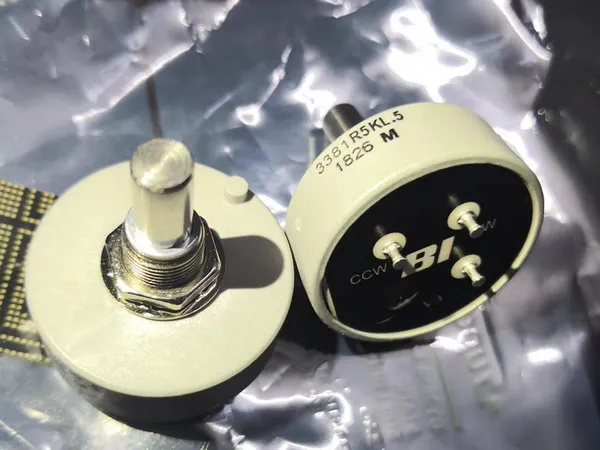
Overmold housings are becoming increasingly popular because they combine the advantages of both metal and plastic.
5.1 What Is an Overmold Housing?
An overmold housing is created by applying a layer of engineering plastic over a metal or Bakelite core using second-shot molding or overmolding.
It is not a new material, but a composite structure that upgrades insulation, sealing, appearance, and overall reliability.
5.2 Why Use Overmold? (Full & Complete Technical Reasons)
1) Electrical Insulation
Metal housings conduct electricity, which is dangerous in tight assemblies where the housing may contact PCBs or metal frames.
An overmolded surface becomes a full insulator, preventing short circuits, leakage, and ESD coupling.
Essential in automotive, medical, and robotic equipment.
2) Improved Sealing (IP Level Enhancement)
Interfaces between metal and Bakelite often contain micro-gaps.
The overmold fills these gaps, creating a continuous protective surface capable of achieving IP54–IP65 sealing.
It is one of the most cost-effective sealing solutions.
3) Vibration Damping & Noise Reduction
A bare metal housing transmits vibration directly to the wiper assembly, causing jitter, output drift, noise, and premature wear.
The plastic overmold naturally absorbs vibration, keeping the output more stable.
4) Corrosion Resistance Enhancement
Overmold isolates the housing from humidity, salty air, and corrosive environments.
This prevents oxidation, discoloration, and metal rusting — especially important in outdoor and coastal applications.
5) Better Appearance & Touch
Metal surfaces feel hot under high temperature and cold in winter.
An overmold provides a warmer, smoother, more modern surface while also improving perceived product quality.
6) Cost Optimization
A CNC aluminum housing looks high-end but is expensive.
A stamped or machined metal shell with an overmold can mimic a premium appearance at a fraction of the cost, making it ideal for price-sensitive but quality-demanding markets.
7) Easier Logo / Marking / QR Printing
Overmolded plastic supports:
- screen printing
- pad printing
- QR batch tracking
- white/black text
- date/batch codes
Metal laser marking is more expensive and offers limited color options.
Overmold enables more flexible product identification and traceability.
5.3 When Is Overmold the Best Choice?
- High-humidity environments
- Compact assemblies with risk of electrical contact
- Projects requiring QR traceability
- Applications needing a premium appearance at controlled cost
- Sensors requiring moderate sealing level
5.4 Engineering Limitations of Overmolding
- Dimensional accuracy depends on the metal core
- Tooling cost is higher than single-shot molding
- Not suitable for extreme temperatures
- Excessive outer thickness affects installation space
5.5 How NOLELC Selects Overmold Structures
At NOLELC, we evaluate the environment, temperature range, sealing requirements, and stability needs before recommending overmold solutions.
Overmold is a flexible technology, but we apply it only when it genuinely improves long-term reliability.