Skip to content
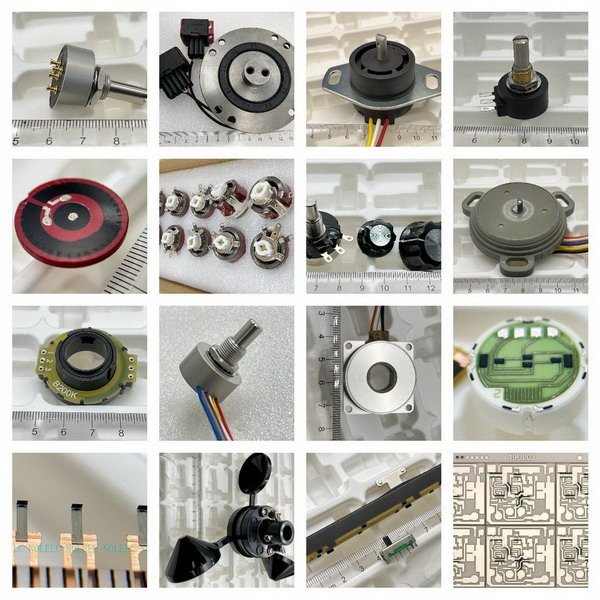
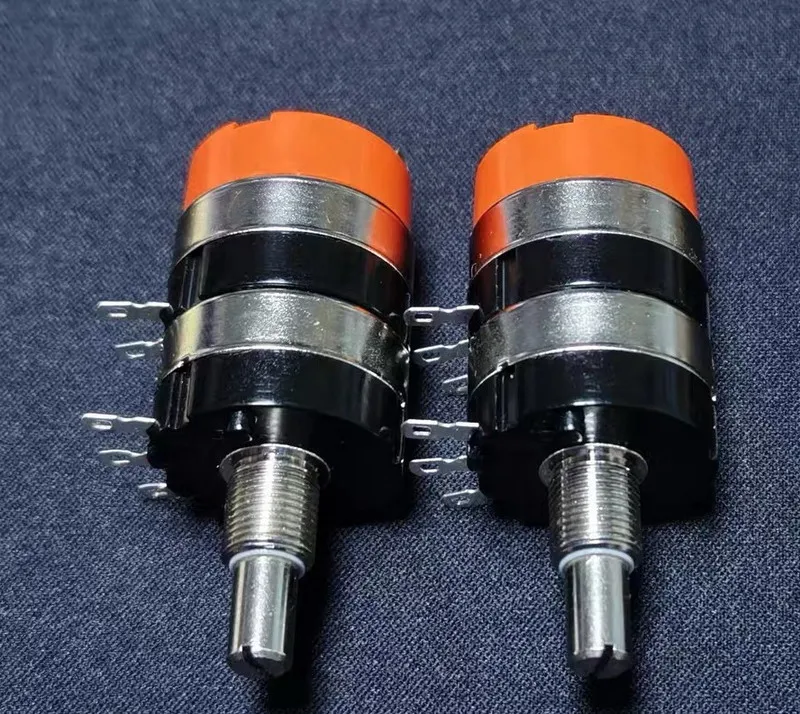
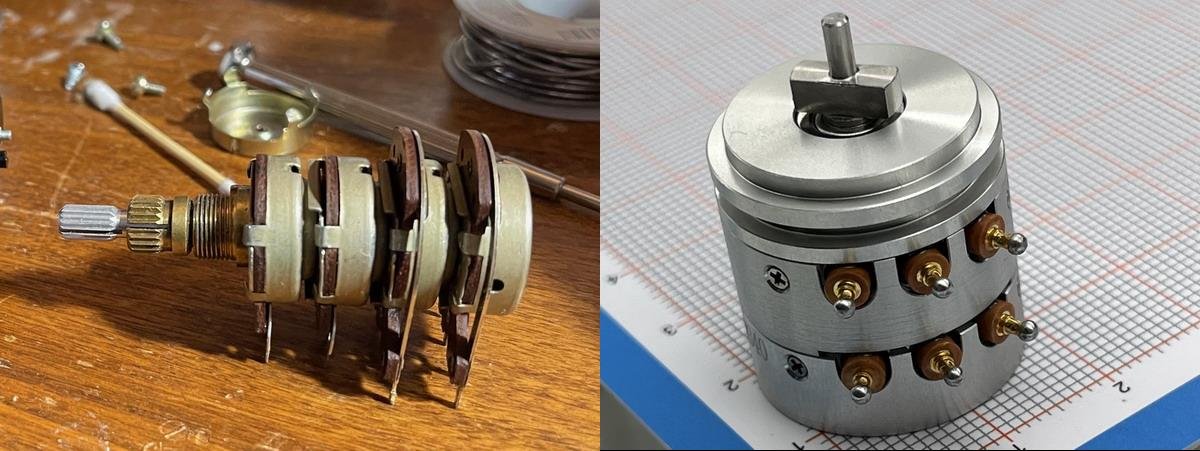
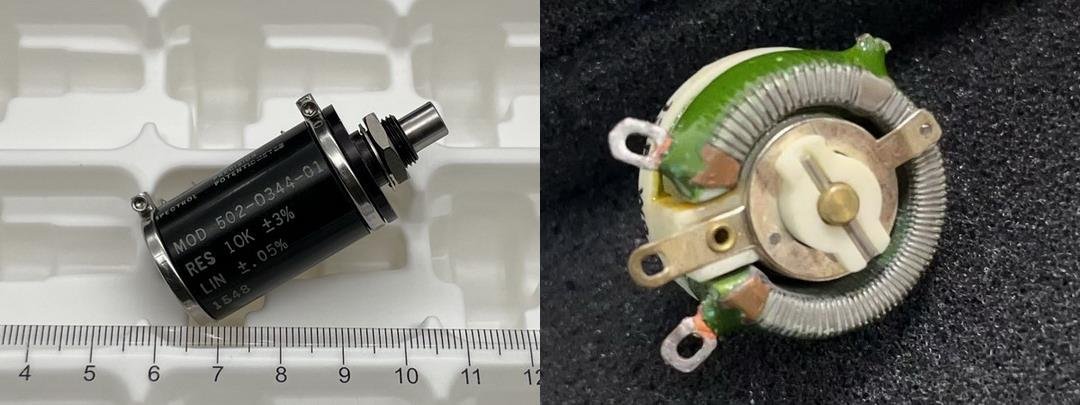
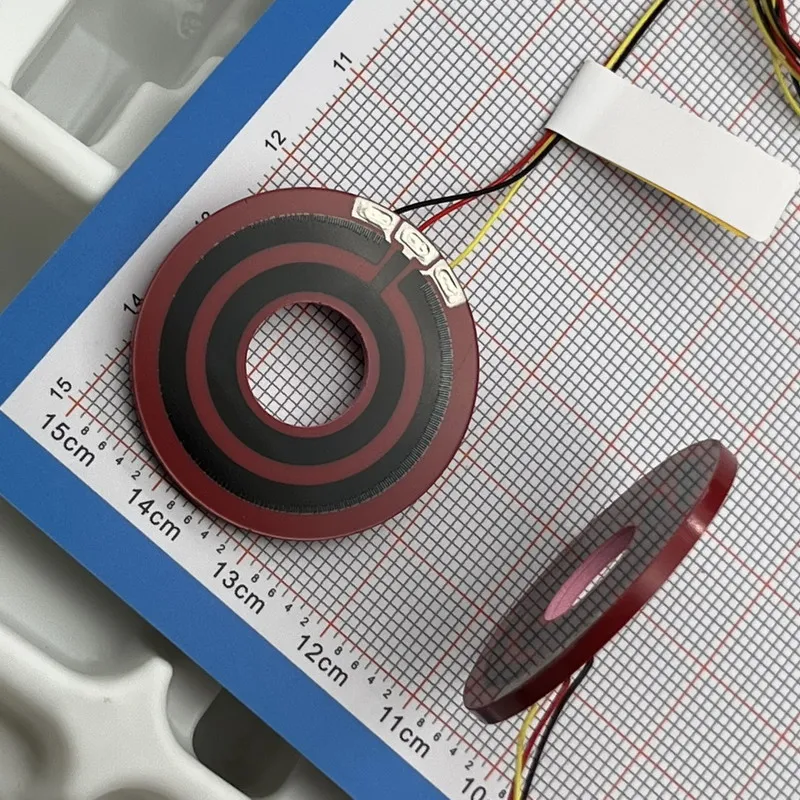
Various potentiometer designs and resistive element structures, showing the diversity of mechanical forms, materials, and applications used in real-world projects.
At the beginning, potentiometer classification does not seem difficult.
Rotary or linear. Carbon film, conductive plastic, wirewound — everything appears clear.
As more models and applications are reviewed, hesitation often starts to appear.
Some products simply do not fit neatly into a single category.
This is not a problem of classification methods.
It is a reflection of the fact that potentiometers are not simple products.
1. Why Potentiometer Classification Is Not Simple
We usually hope to find a “standard classification table” to quickly determine which category a product belongs to.
In real engineering practice, however, potentiometers are difficult to place into a single, fixed category.
The same potentiometer may be:
- rotary in structure
- carbon film in material
- used as a position feedback element in function
- applied in industrial equipment
Each description is correct, but each comes from a different viewpoint.
Understanding this often makes later selection and evaluation much clearer.
2. Viewing Potentiometers from a Mechanical Structure Perspective
This is the most intuitive and easiest classification approach to understand.
Common structural forms include:
- Rotary potentiometers: resistance changes through shaft rotation
- Linear potentiometers: changes achieved through linear sliding or displacement
- Multi-turn potentiometers: used where higher adjustment resolution is required
It is important to note that this classification only describes physical form.
It does not directly indicate performance level, nor does it define the application field.
3. Viewing Potentiometers from a Resistive Element Material Perspective
If structure defines how a potentiometer looks, material defines how it performs.
Common resistive element materials include:
- Carbon film: relatively cost-effective, capable of low noise and wide effective electrical angle with proper design
- Conductive plastic: known for stability and consistency, often used in feedback and control applications
- Cermet: balancing stability and environmental resistance
- Wirewound: suitable for power or special electrical requirements
- Thick-film PCB resistive elements: increasingly used in specific structures and integrated designs
Material affects noise, life, TCR, and manufacturing methods, but it does not independently determine where a potentiometer should be used.
4. Viewing Potentiometers from an Electrical Function and Output Perspective
This dimension is often overlooked in classification articles, but it is very important for engineers.
From a functional perspective, a potentiometer may be:
- a simple adjustable resistor
- a voltage divider
- an analog position feedback element
From an output perspective, it may also be:
- single-track output
- dual-track or redundant output
- multi-channel configurations
Even with identical structure and material, different electrical designs can lead to completely different roles in a system.
5. Viewing Potentiometers from an Application Perspective
This is the classification method most familiar to buyers and project managers, and it is also the most commonly used approach by potentiometer manufacturers.
Common application descriptions include:
- audio and consumer electronics
- industrial control and automation
- displacement and position sensing
- high-reliability or harsh-environment applications
However, it is important to note that application classification is more of a result than a design starting point.
The same type of potentiometer, with different configurations, can serve very different application scenarios.
6. Why Real Products Often Cross Multiple Categories
In real projects, many potentiometers tend to break conventional expectations.
For example:
- high-performance carbon film elements are used for position sensing, not only basic adjustment
- conductive plastic is not always selected for maximum life, but for a defined operating cycle
- thick-film PCB elements replace traditional resistive components in certain structures
These products are not exceptions, but natural outcomes of engineering trade-offs.
7. How to Use Classification More Effectively for Selection and Replacement
Instead of repeatedly asking “Which category does it belong to?”, it is more practical to first answer a few real questions:
- what is the actual operating environment
- what mechanical and electrical life is required
- what are the requirements for noise, TCR, and consistency
- what are the cost and lead-time boundaries
Once these conditions are clear, classification naturally becomes a supporting tool rather than a restrictive label.
8. Written at the End
Potentiometers are not products that can be simply classified.
They inherently have multiple dimensions, and different classifications only help us understand them from different perspectives.
Rather than memorizing category names, it is more valuable to understand the logic behind classification.
This is what truly matters in engineering selection.
In real NOLELC projects, we often encounter replacement requirements involving specific brands, specific materials, customized resistance values and strokes, or even defined stop positions.
By understanding the engineering trade-offs behind different classification perspectives, we focus more on whether a product truly matches its application rather than which label it carries.