Skip to content

In the early 1950s, deeply influenced by Soviet industrialization and with the support of Soviet funding and experts, China embarked on an era of vigorous national industrial development (the First Five-Year Plan, 1953-1957).
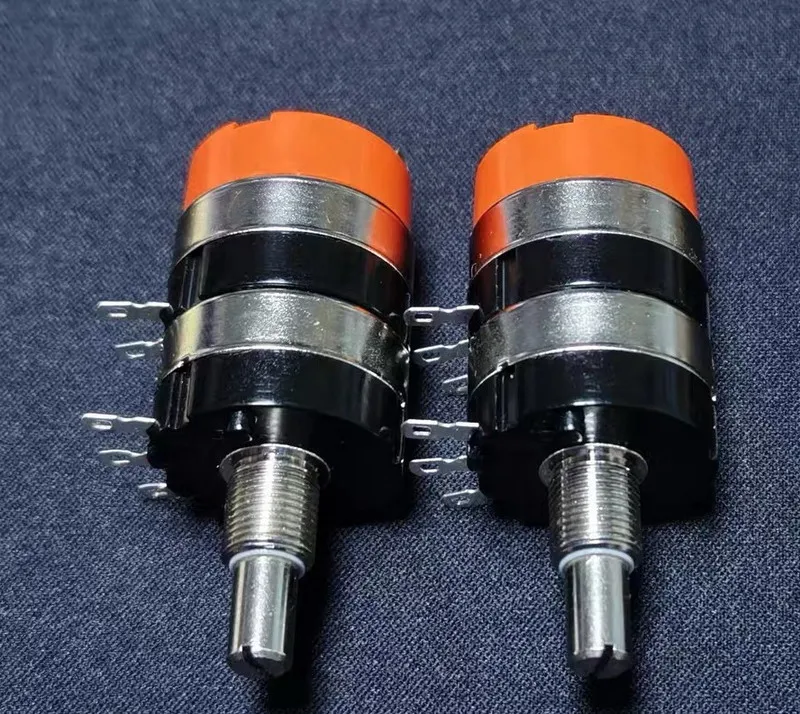
Potentiometers, as common yet important electronic components, appeared in mainland China with the advent of transistor radios. State-owned potentiometer manufacturing enterprises were established in Shanghai, Sichuan, and Hunan. These enterprises continuously purchased advanced production equipment from abroad while developing technological innovations and improvements suited to their national conditions to meet the ever-growing demands of Chinese industrial manufacturing. The real migration and development of manufacturing industries to coastal areas, such as Guangdong and Zhejiang, occurred during the economic reforms and opening up in the 1980s.
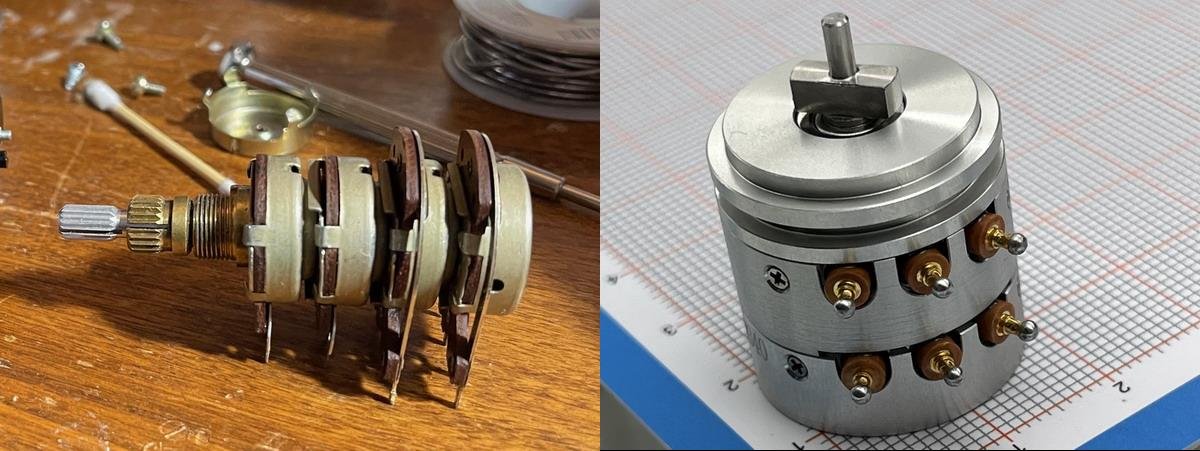
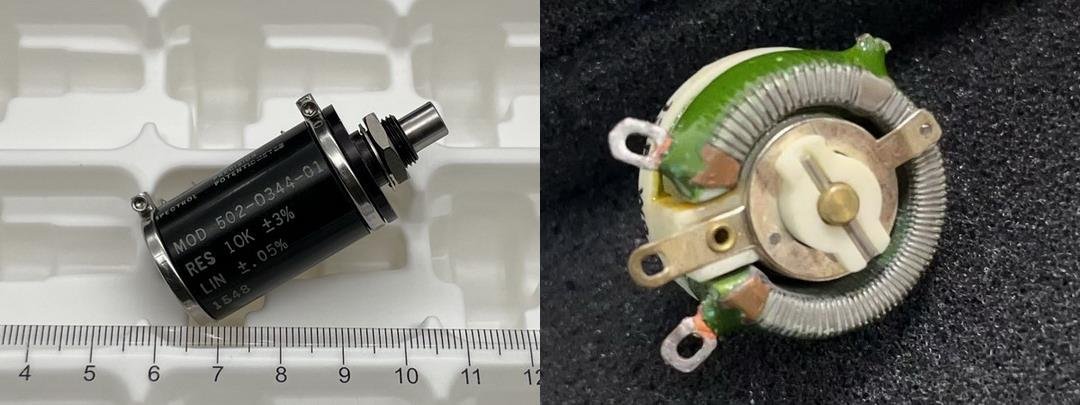
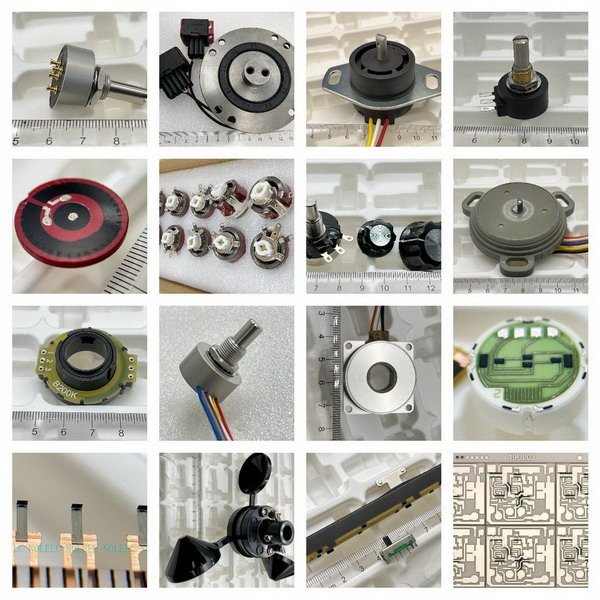
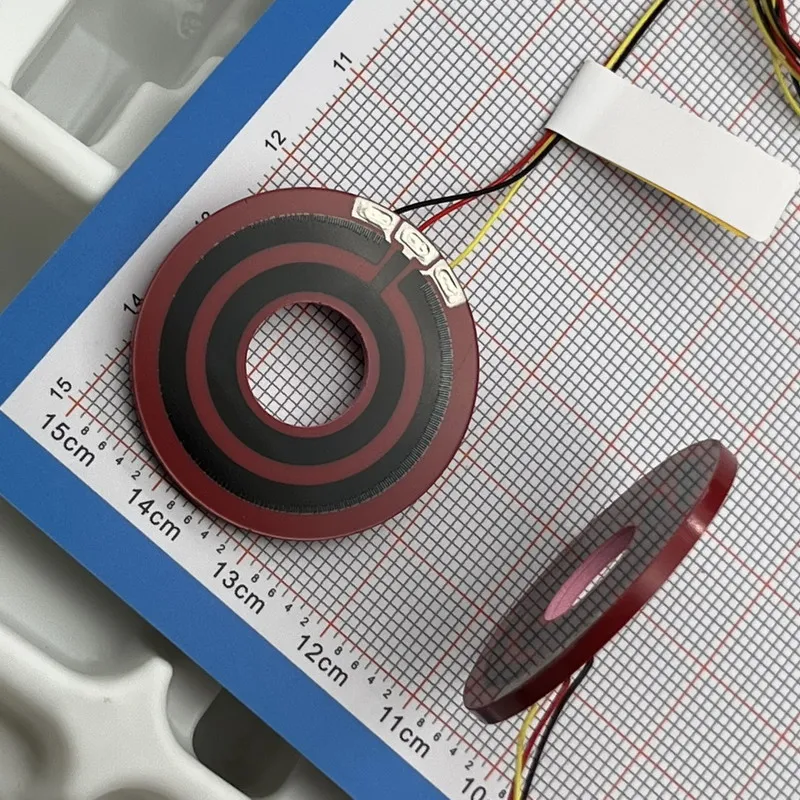
Today, potentiometers are structurally classified into rotary potentiometers and linear potentiometers. Functionally, they include wire-wound precision potentiometers, synthetic carbon film potentiometers, organic solid potentiometers, metal-glaze potentiometers, conductive plastic film potentiometers, superconducting carbon-based potentiometers, and non-contact (Hall effect) potentiometers (sensors).
The electrical characteristics of domestically produced potentiometers in China have significantly improved with the continuous advancement of manufacturing levels. For example:
The contact lifespan has increased from the earlier 5,000 cycles to the current 10 million cycles;
Linearity has improved from ±5% to ±0.15%;
The temperature coefficient (for carbon-based types) has decreased from 500ppm to 100ppm;
The operating temperature range has expanded from -25℃~65℃ to -55℃~125℃;
Repeatability has improved from 2° to 0.2°;
Backlash (游隙) has reduced from 2° to 0.2°;
Overload capacity has increased from 300G to 10,000G;
These improved performance characteristics of potentiometers fully meet automotive and heavy industry standards. They are widely used in automotive, consumer electronics, industrial control, and medical equipment. In these applications, potentiometers play a crucial role in voltage regulation, current control, and precise measurement.
Through these continuous advancements, China's potentiometer industry not only meets domestic demand and improves the level of industrial manufacturing but also holds a significant position in the international market. In the future, China's potentiometer technology will continue to innovate, providing superior products to global customers.