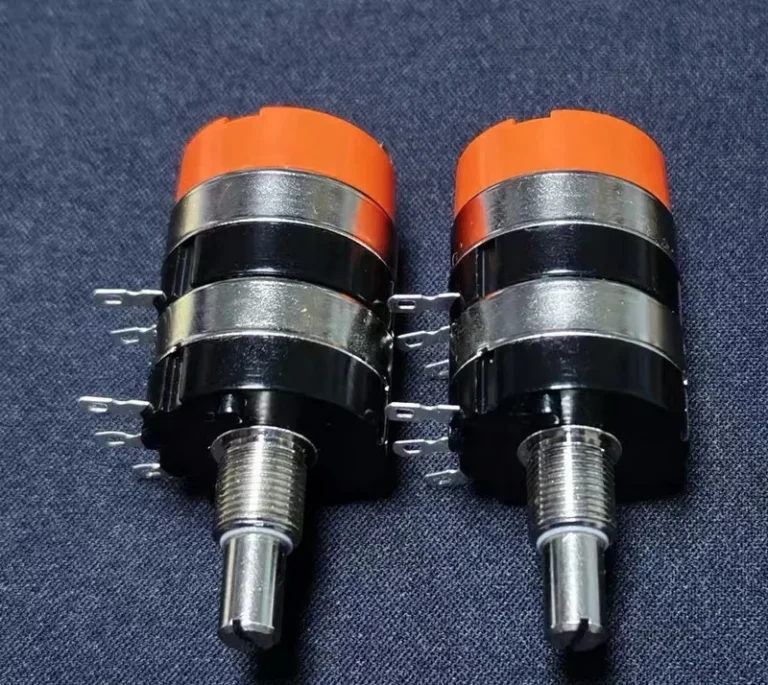
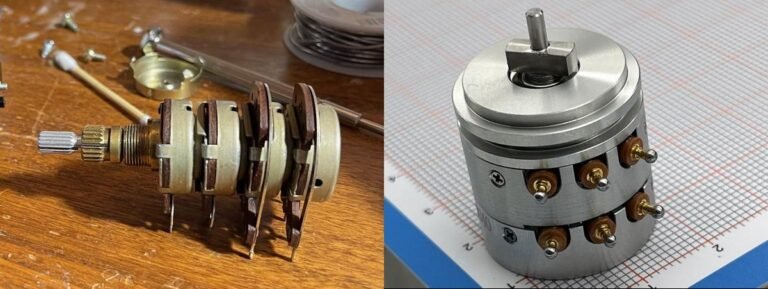
Potentiometer Classification: Why It Becomes Harder the More You Learn
Potentiometers seem easy to classify at first, but real products often cross structure, material, and application boundaries.
For High-Performance Electronics and Industrial Applications
Metal materials play a pivotal role in industrial manufacturing, valued for their excellent conductivity, strength, and corrosion resistance. This page presents a range of common and specialized metals, along with their applications in sensors, potentiometers, and precision components.
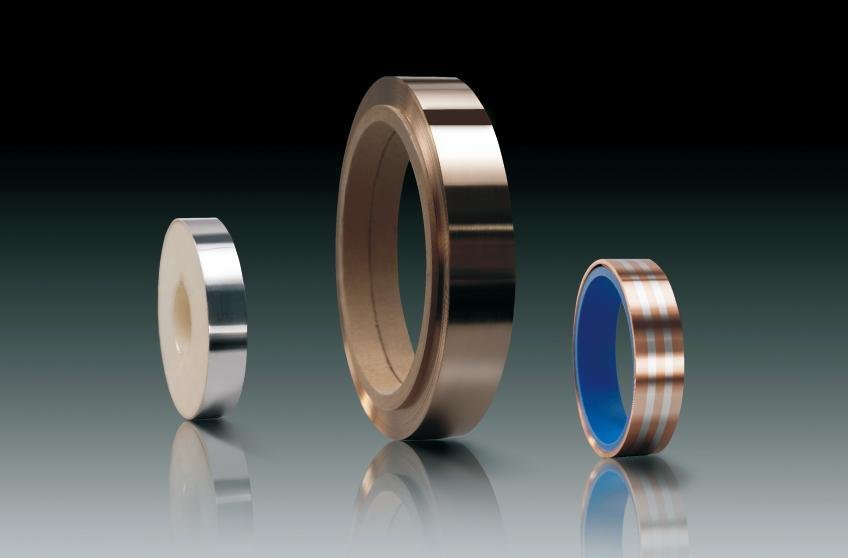
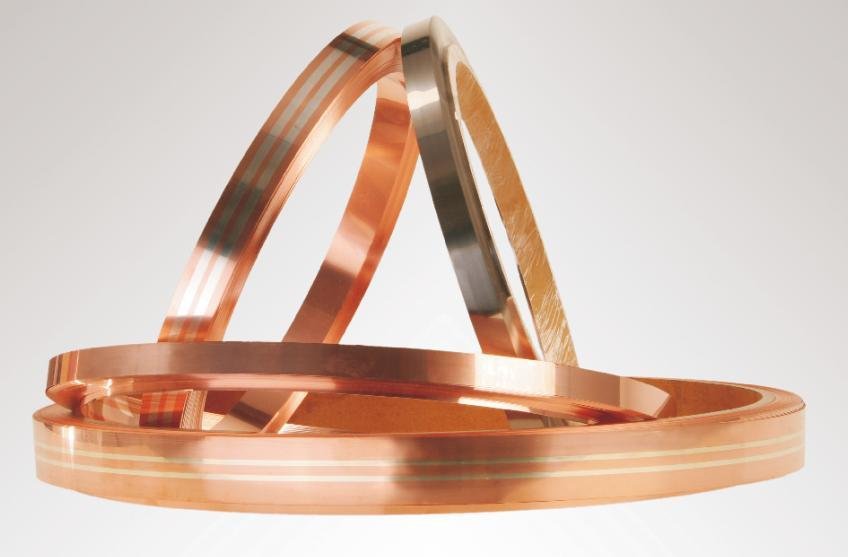
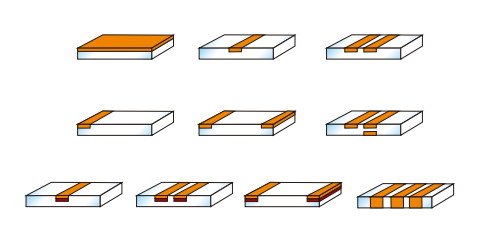
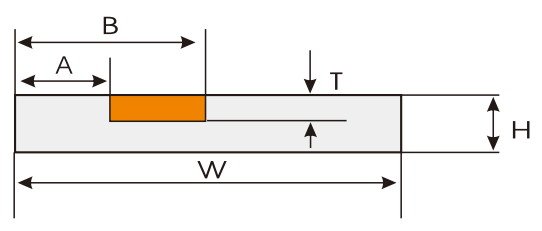
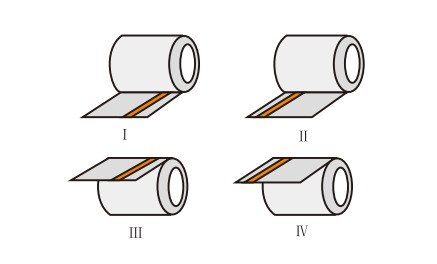
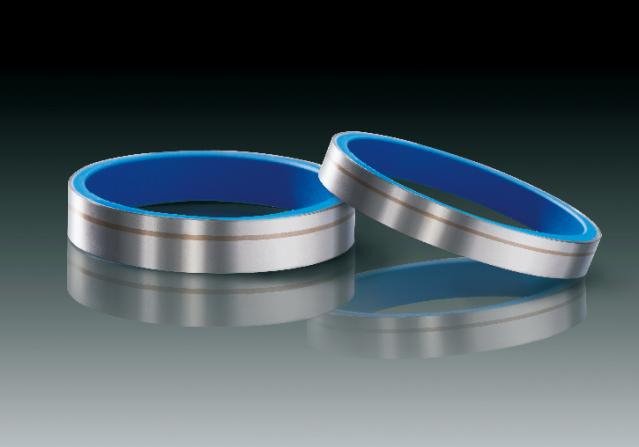
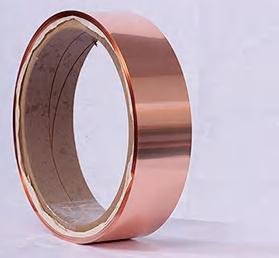
Clad materials are engineered composites that bond two or more distinct metals into layered structures, combining the best properties of each. By optimizing conductivity, strength, wear resistance, and corrosion protection, they enable high-performance components while reducing the use of costly precious metals. With flexible thickness ratios, widths, and bonding configurations, clad strips are ideal for precision electrical contacts, connector terminals, battery tabs, potentiometer and sensor elements, and other applications where performance, reliability, and material efficiency are critical.
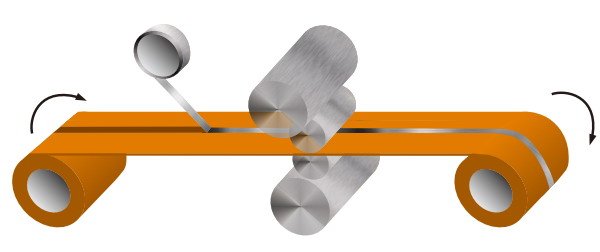
clad material processing demonstration showing bonding of metal strips through rollers
| Clad metal spec. | |
|---|---|
| Strip thickness | 0.015~1.5mm |
| Strip width | 3~100mm |
| Cladding thickness | 0.001~70% strip thickness |
| Cladding width | 1~100mm |
| Total thickness H | Total thickness tolerance | Clad layer Thickness T | Clad layer Tolerance |
|---|---|---|---|
| 0.015≤H<0.040 | ±0.002 | 0.001≤T<70% H | +20%T / -10%T |
| 0.040≤H<0.100 | ±0.003 | ||
| 0.100≤H<0.300 | ±0.005 | ||
| 0.300≤H<0.500 | ±0.010 | ||
| 0.500≤H<0.800 | ±0.020 | ||
| 0.800≤H<1.200 | ±0.035 | ||
| 1.200≤H<1.500 | ±0.040 | ||
| Note: For other specifications, please contact us for further details | |||
| Total thickness H | Total width W | Tolerance of width | Width of clad layer | Width tolerance of clad layer |
|---|---|---|---|---|
| 0.015≤H<0.300 | 3≤W<100 | ±0.05 | 1.0~100.0 | 0~1.0 |
| 0.300≤H<0.500 | ±0.15 | |||
| 0.500≤H<0.800 | 6≤W<100 | |||
| 0.800≤H<1.500 | ±0.25 | |||
| Note: For other specifications, please contact us for further details. | ||||
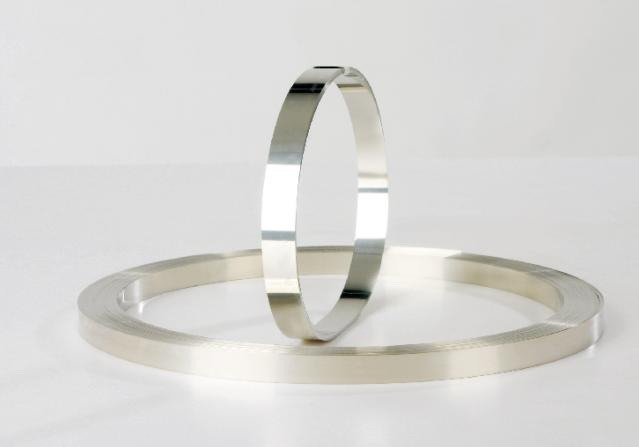
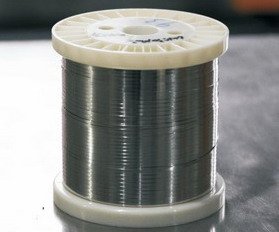
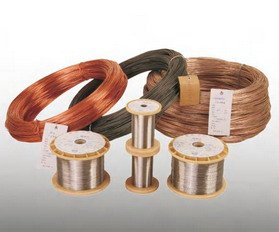
Precision alloy strips, flat wires, and wires are essential materials for high-performance electrical and electronic components. Manufactured with tight dimensional tolerances and excellent surface quality, these materials offer stable conductivity, strength, and corrosion resistance. Strips are suitable for stamping terminals, springs, and housings; flat wires (ribbons) provide compact, efficient solutions for coil windings, brush contacts, and precision connectors; wires are ideal for micro-motor windings, sensor elements, and fine electronic components. With a wide range of thicknesses, widths, and diameters, each form is tailored to meet the demands of advanced manufacturing in automotive, industrial, and consumer electronics applications.
Precious Part Materials: AgPd30, AgPd50, AP-2, AP-3, APZC, APNC
Base Materials: C7701, MX96, MX215
Alloy Strip: C7701 (BZn18-26), MX96, MX215
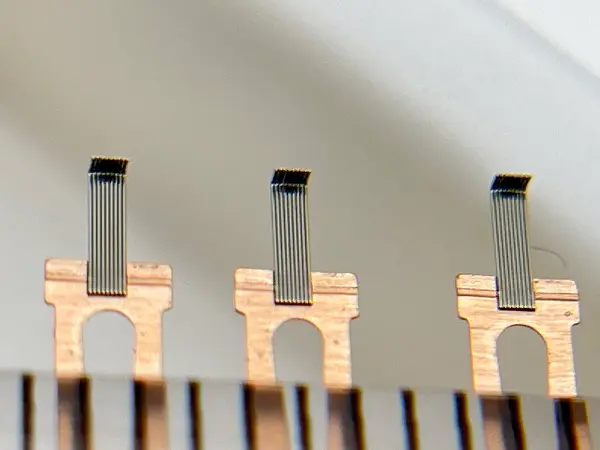
Key Properties: Arc burning resistance, excellent wear resistance; inhibits spark production; extends service life for motors and sliding contact parts; thickness of super thin brush strips ≤ 0.05 mm
Typical Applications: Brush materials for various micro motors (mobile phones, model aircraft, toy motors), and contact parts in potentiometers and sensors
Brush and super thin brush materials are essential for ensuring reliable electrical contact in miniature motors, potentiometers, and precision sensors. Using high-performance copper alloys and precious metal contacts such as silver-palladium, these materials deliver superior arc resistance, wear resistance, and stable conductivity under high-speed or long-duration operation. With thicknesses as low as 0.05 mm, they are ideal for compact designs where space, weight, and durability are critical—making them a preferred choice in mobile devices, model aircraft, automotive components, and industrial control systems.

Potentiometers seem easy to classify at first, but real products often cross structure, material, and application boundaries.

This article explains two material paths for replacing conductive-plastic potentiometers—CP elements and NOL H-carbon-film elements—with technical comparisons and practical guidance.

This article explains the major housing structures used in potentiometers and angle sensors, comparing their temperature limits, mechanical strength, corrosion resistance, and application scenarios. It
Tell us as specific as possible of your needs, provide the drawing, reference picture and share your idea.
We will work on the best solution according to your requirements and drawing, the specific quote will be provided within 24 hours.
We will start mass production after getting your approval and deposit, and we will handle the shipment.
We are a small to medium-sized factory dedicated to providing differentiated and customized products, and improving the performance of common products, seeks to build direct relationships with professional buyers.
This site is protected by reCAPTCHA and the Google Privacy Policy and Terms of Service apply.
2024 NOL. All rights reserved.
Click to Chat
Hi, I am Cola from NOLELC. How can I help you?
WhatsApp Us
🟢 Online | Privacy policy
WhatsApp us
We respect your privacy and will never send you spam.
Your email will be responded to within one day. Please pay attention to the email with the suffix “Cola@nolelc.com”.