Skip to content

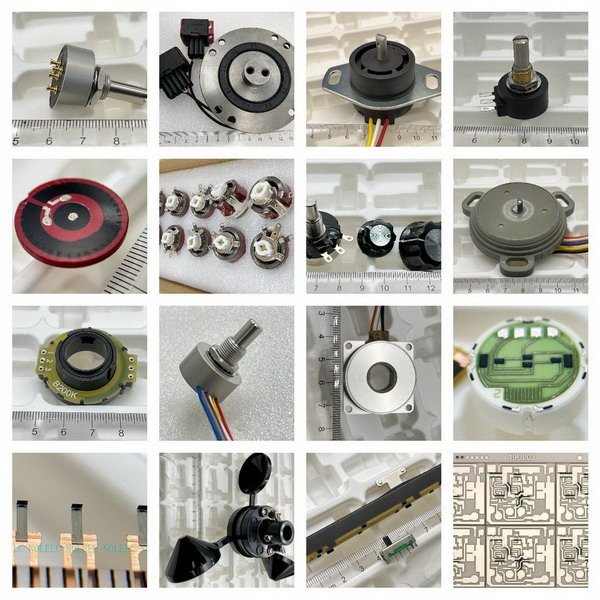
In automotive applications, rotary actuators are essential for transforming rotational motion into electrical signals, enabling precise control of functions like throttle, steering, and HVAC systems. The two primary types of rotary actuators—rotary potentiometers and rotary encoders—offer distinct advantages based on the application needs in automotive environments.
1) Rotary Potentiometers: Simple and Cost-Effective
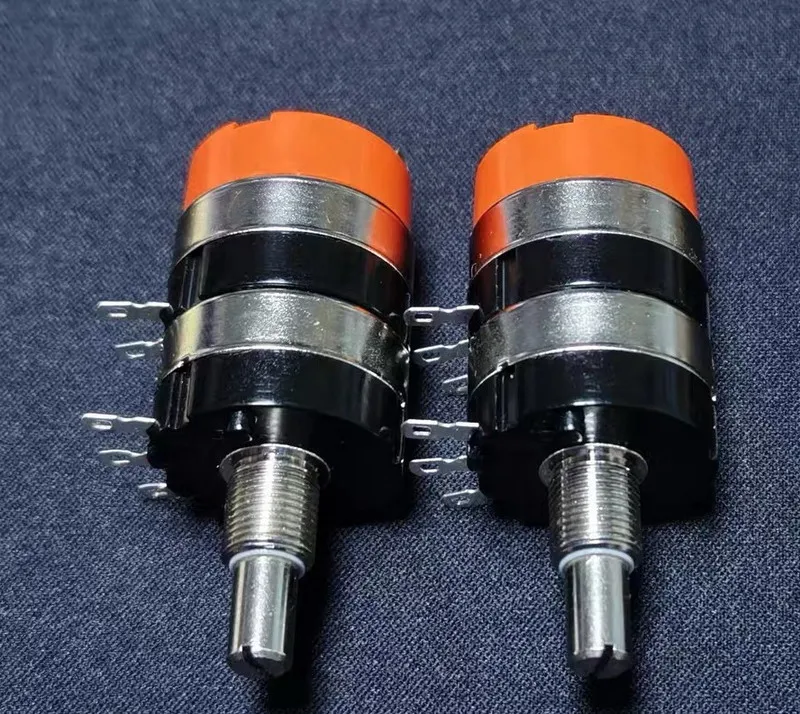
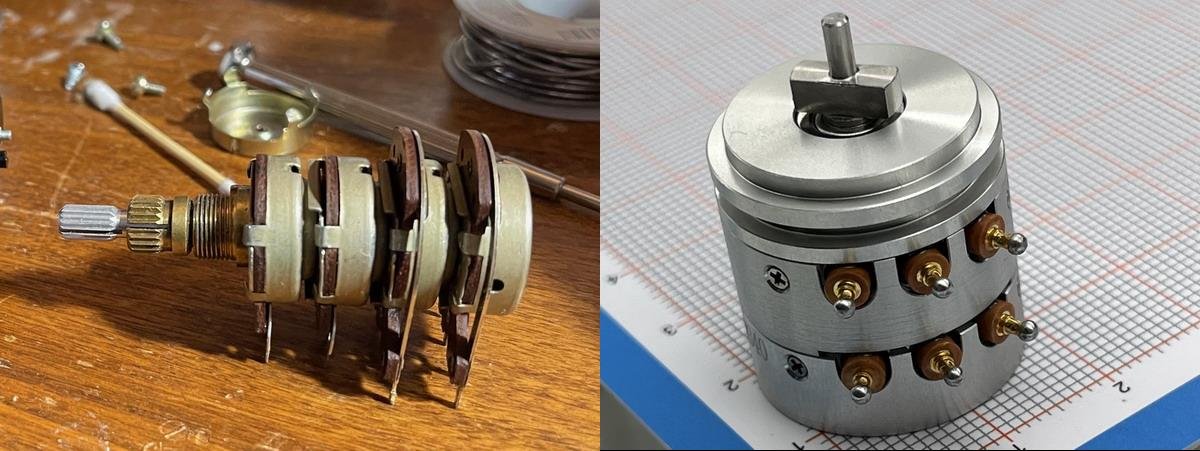
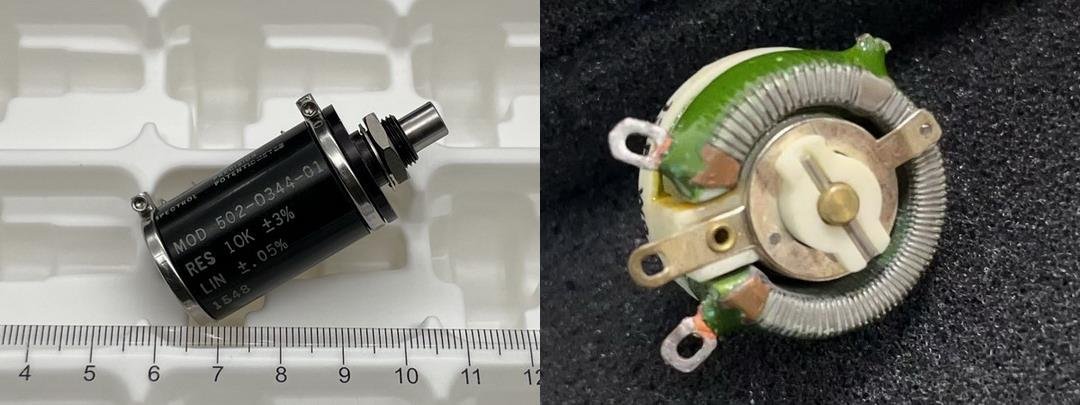
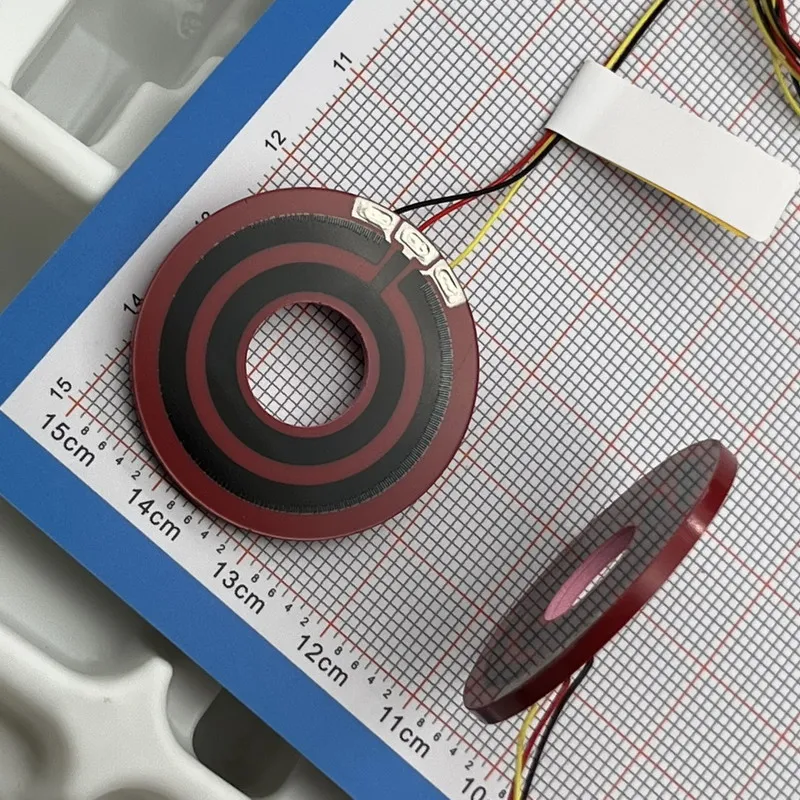
Rotary potentiometers are analog devices that adjust voltage in proportion to the rotation of the shaft. These devices are often used in basic automotive systems like pedal position sensors and volume controls, where smooth, continuous feedback is required. Potentiometers are particularly effective for applications that don’t need full 360-degree rotation, making them suitable for systems limited to around 270 degrees. Due to their simplicity, they are a cost-effective solution for lower-precision applications.
However, as mechanical components, potentiometers are prone to wear over time, particularly in demanding automotive environments with high vibration and temperature fluctuations. Manufacturers have addressed this by developing automotive-grade potentiometers that offer enhanced durability, making them a practical choice for systems where precision isn't the top priority but cost-effectiveness is essential.
2) Rotary Encoders: Precision and Durability
Rotary encoders, on the other hand, provide digital feedback, offering higher precision compared to potentiometers. Encoders can be either absolute or incremental. Absolute encoders assign a unique digital value to each position, making them ideal for applications that require knowing the exact position of the actuator at all times, even after a power loss. Incremental encoders, which measure changes in position, are highly accurate and useful in tracking relative movements, though they require a reference point for calibration.
Due to their non-contact sensing technology, rotary encoders are more resistant to wear and tear, making them highly durable in harsh environments where dust, moisture, and vibration are prevalent. This feature makes them an excellent choice for automotive systems that demand long-term reliability, such as steering angle sensors and throttle controls, where high precision is essential.
3) Choosing Between Potentiometers and Encoders
The choice between using a potentiometer or an encoder depends largely on the specific requirements of your automotive system. Potentiometers are best suited for low-cost, low-precision applications where limited rotation and basic feedback are sufficient. They are easy to implement and provide smooth, continuous analog output, but their mechanical nature makes them susceptible to wear over time.
Encoders, on the other hand, are ideal for high-precision, high-durability applications. If your system requires continuous rotation, multi-turn tracking, and a digital feedback mechanism, rotary encoders are the better choice. Although they are more expensive, their longevity and ability to function in harsher conditions make them more cost-effective in the long run.
4) Conclusion
Both rotary potentiometers and encoders play significant roles in automotive systems. Potentiometers are suitable for simpler, low-cost tasks, while encoders offer more advanced solutions in environments that require high precision and durability. By carefully evaluating your system’s needs, you can choose the most appropriate actuator to ensure reliability, performance, and cost-efficiency.