Skip to content

Feeling confused about how potentiometers work? You’re not alone. Let’s simplify the essential components that make these devices so reliable.
A potentiometer is made up of a resistive element for controlling resistance, a wiper contact mechanism, housing, terminals, and sometimes additional features for customization. Each part plays a distinct role.
Keep reading to uncover how each component contributes to a potentiometer’s functionality and why their selection matters.
1) What is the structure of a potentiometer?
Potentiometers are versatile, but their design seems complicated. Breaking down the core components reveals simplicity in their genius.
The structure of a potentiometer consists of a resistive element, a wiper, a housing, and connecting terminals. These ensure its ability to vary resistance smoothly.
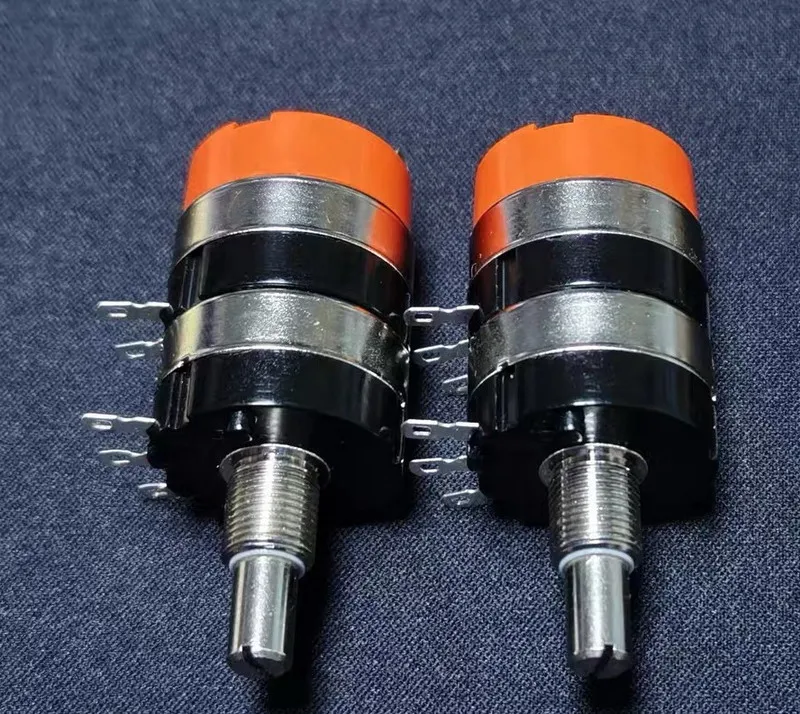
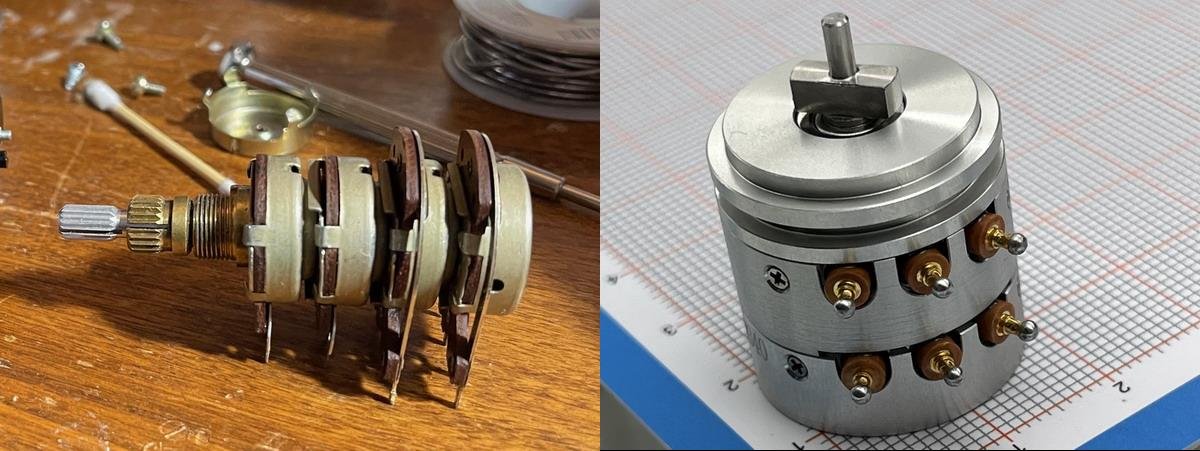
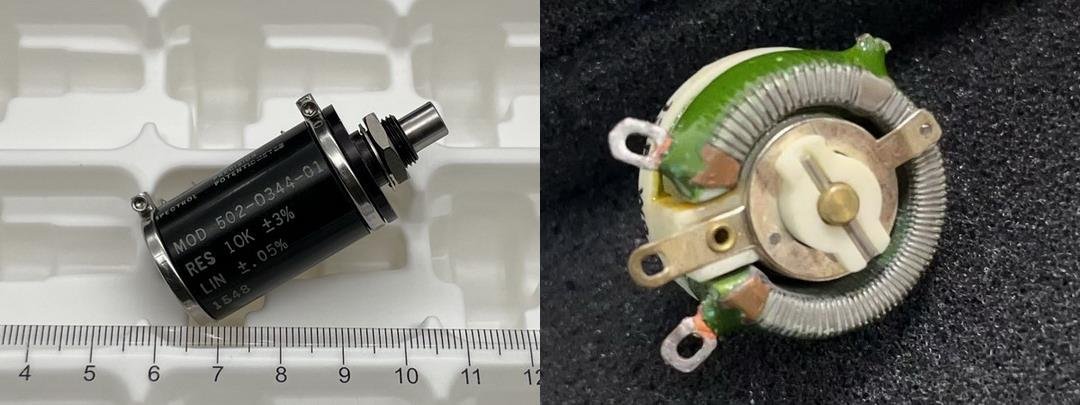
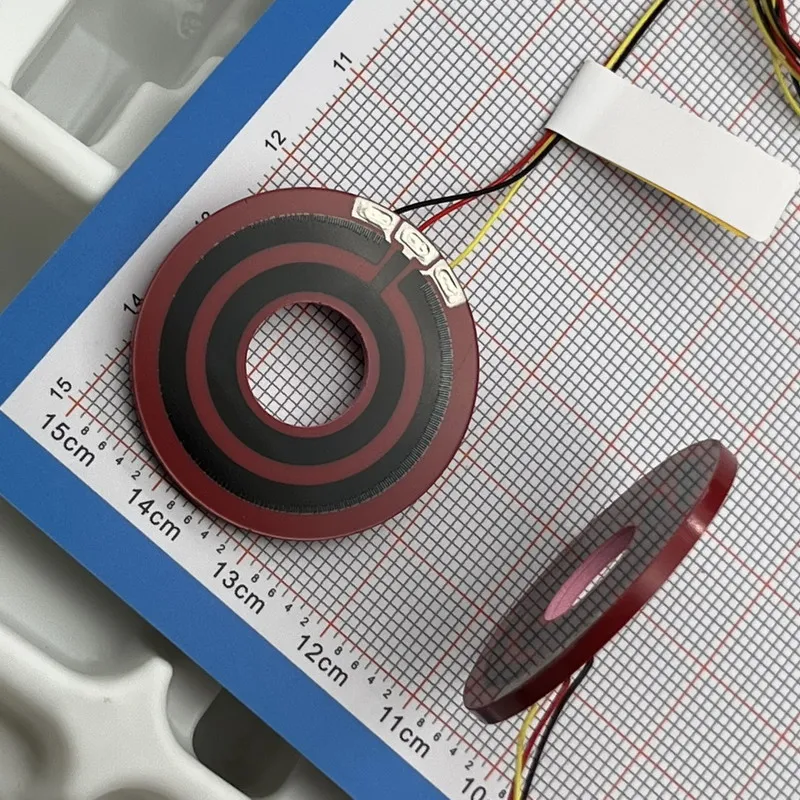
structure-of-a-potentiometer-for-wirewound-resistor

structure of a potentiometer B50K-carbon film potentiometer

Core Components and Their Roles
-
Resistive Element
This is the main part that determines the resistance range. It can be carbon film composition, cermet-type construction, or wire-wound design, depending on precision requirements. -
Wiper
The movable contact slides over the resistive element, allowing adjustment of resistance. -
Housing
Protects internal components from damage or environmental factors like dust and moisture. -
Terminals
These provide connections to external circuits for input and output.
| Component | Material Options | Functionality |
|---|---|---|
| Resistive Element | Carbon, cermet, wire | Defines resistance range |
| Wiper | Metal alloys | Moves to adjust resistance |
| Housing | Plastic, metal | Protects from environmental damage |
| Terminals | Brass, copper | Provides circuit connectivity |
2) Why do different types of Resistive Elements matter?
Different applications demand specific performance from a potentiometer. Selecting the wrong resistive element can impact reliability.
Carbon, cermet, and wire-wound resistive elements each cater to unique requirements, such as precision or durability.
Comparing Resistive Elements
-
Carbon Film
Affordable and suitable for general use, but limited in precision and durability. -
Cermet
Offers higher accuracy and better temperature stability, often used in professional or industrial settings. -
Wire-Wound
Best for high-precision applications but more expensive due to complex manufacturing.
| Type | Advantages | Limitations |
|---|---|---|
| Carbon Film | Low cost, easy to produce | Lower accuracy and lifespan |
| Cermet | Durable, accurate | Higher cost |
| Wire-Wound | High precision | Bulky, expensive |
3) Who determines the type of Wipers used?
Wipers are critical for smooth resistance adjustment, but their selection depends on application needs and cost constraints.
Engineers and manufacturers decide on wiper materials based on performance needs and operational environment.
Factors Affecting Wiper Selection
-
Material: Metal alloys like phosphor bronze or stainless steel are common. Each offers unique wear resistance and conductivity.
-
Design: Some wipers are spring-loaded for consistent contact1; others are simpler for cost efficiency.
| Wiper Type | Features | Applications |
|---|---|---|
| Spring-Loaded | Ensures stable contact | Precision instruments |
| Standard | Cost-effective | General-purpose electronics |
4) Where does the Housing type make a difference?
A potentiometer’s housing protects it but also influences its durability and compatibility.
Housing materials and designs impact resistance to external factors like temperature, dust, and vibrations.
Key Housing Considerations
-
Material: Plastic is lightweight and cost-effective, while metal housings provide superior durability.
-
Sealing: For outdoor or industrial use, housings with additional sealing solutions2 protect against environmental damage.
| Housing Material | Benefits | Drawbacks |
|---|---|---|
| Plastic | Lightweight, low-cost | Less durable |
| Metal | Durable, heat-resistant | Higher cost |
5) Conclusion
Potentiometers are built from resistive elements, wipers, housings, and terminals. Each part is chosen to suit specific performance, durability, and cost requirements.