Skip to content

Summary: The electronic throttle accelerator is an essential component in modern transport tools, functioning as an action-intent output sensor. By precisely controlling electronic signals, it quickly transmits the driver’s or operator’s intent to the engine, achieving accurate power output control. Whether in cars, forklifts, or loaders, the electronic throttle accelerator significantly enhances operational performance and fuel efficiency, making it a core technology for improving the efficiency and responsiveness of transport tools.
1) Working Principle of Electronic Throttle Accelerator
The electronic throttle accelerator controls electronic signals through the displacement of the throttle pedal, thereby achieving precise control of engine power. It converts changes in throttle pedal angle into voltage signals and transmits these to the Engine Control Unit (ECU). The ECU then adjusts fuel injection, fuel supply, and gear shifts based on these signals, optimizing engine performance.
As an action-intent output sensor, the electronic throttle accelerator can rapidly capture the driver’s or operator’s intent and immediately respond. This quick and accurate feedback mechanism ensures that transport tools provide precise power output control in various operational environments, whether in cars, forklifts, or loaders.
2) Advantages of Electronic Throttle Accelerator
As an action-intent output sensor, the electronic throttle accelerator brings significant performance improvements and fuel efficiency enhancements to various transport tools. The main advantages include:
- Precise Power Control: The electronic throttle accelerator can accurately convert the operator's inputs into power output, ensuring that vehicles or equipment deliver optimal performance under various conditions. This not only improves acceleration but also enhances responsiveness.
- Improved Fuel Efficiency: By providing more precise fuel control, the electronic throttle accelerator effectively reduces fuel consumption and improves fuel efficiency. This fuel-saving effect is particularly noticeable in frequently used transport tools like forklifts and loaders. Additionally, optimized fuel injection lowers exhaust emissions, improving environmental performance.
- Operational Comfort and Stability: The electronic throttle accelerator can quickly respond to pedal movements, ensuring that every action is rapidly and accurately reflected in the power output. This improves vehicle handling and enhances operational comfort and stability, especially in environments where frequent power adjustments are needed, such as construction sites with loaders or cargo handling with forklifts.
3) Composition and Features of Electronic Throttle Control System
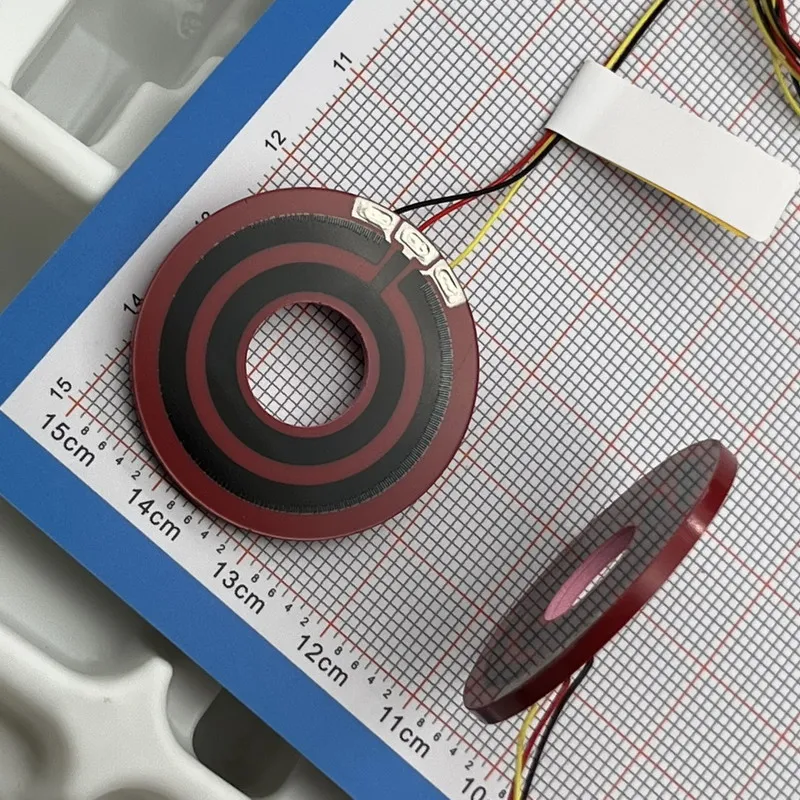
As an action-intent output sensor, the electronic throttle is composed of several key components, including the throttle pedal position sensor, the ECU, and the actuator. These components work together to ensure precise control of power output. The throttle pedal position sensor detects changes in throttle pedal angle, converts these into electrical signals, and sends them to the ECU. The ECU uses this data to control the actuator, adjusting the throttle opening to regulate engine power output.
This electronic control method enhances throttle responsiveness and addresses the accuracy issues found in traditional mechanical throttle systems, making power control in various transport tools more stable and precise.
The electronic throttle accelerator not only transforms power control but also advances transport tools in the realm of output control.