Skip to content

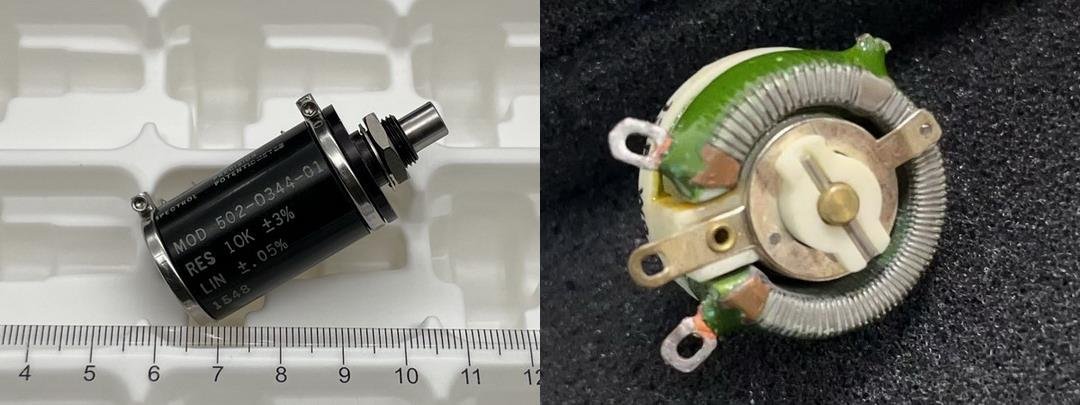
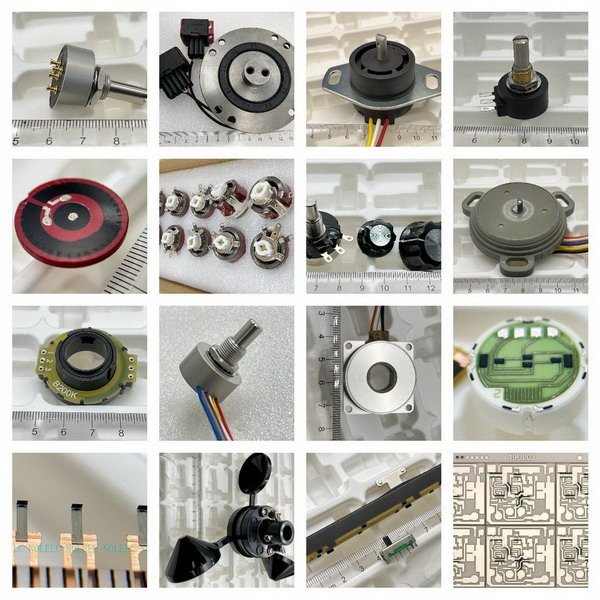
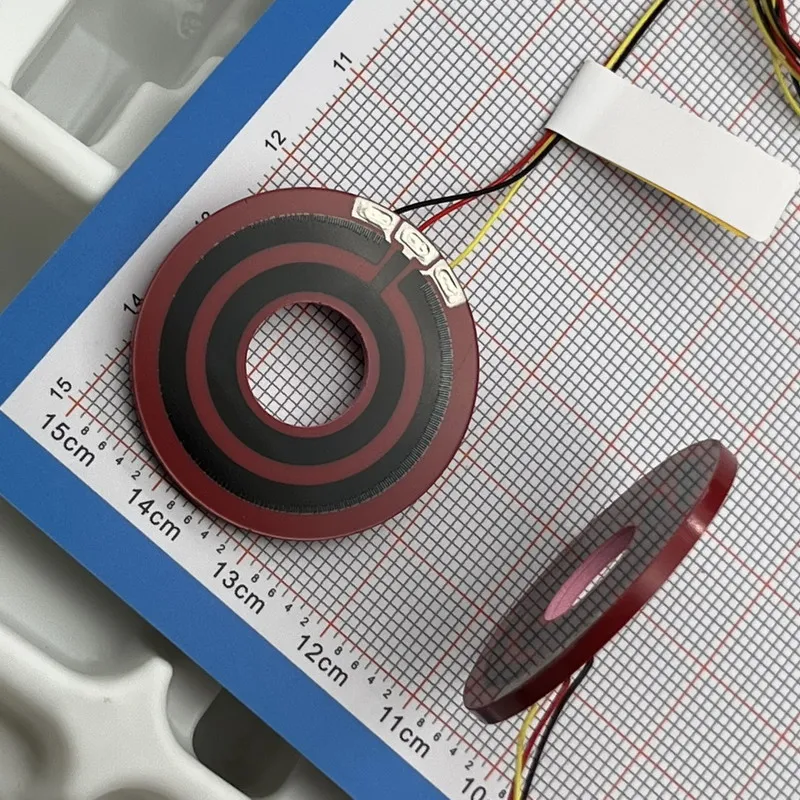
This image displays two practical applications of carbon-film technology: a standard circular potentiometer element and a hybrid resistive circuit used in automotive TPS (Throttle Position Sensor) systems. Both are based on carbon-film resistive materials but are designed in different formats to meet the requirements of rotary and linear sensing applications.
1) Summary:
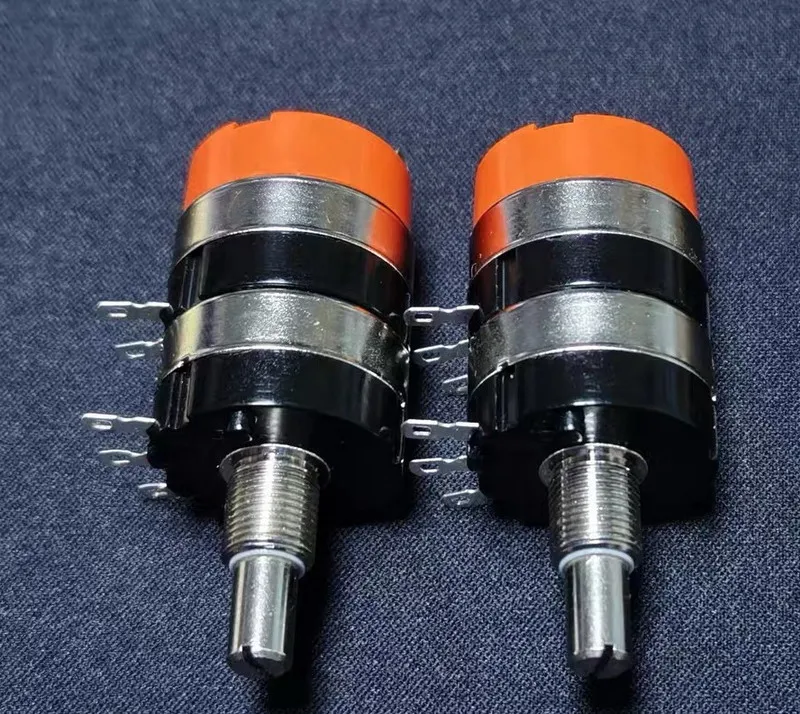
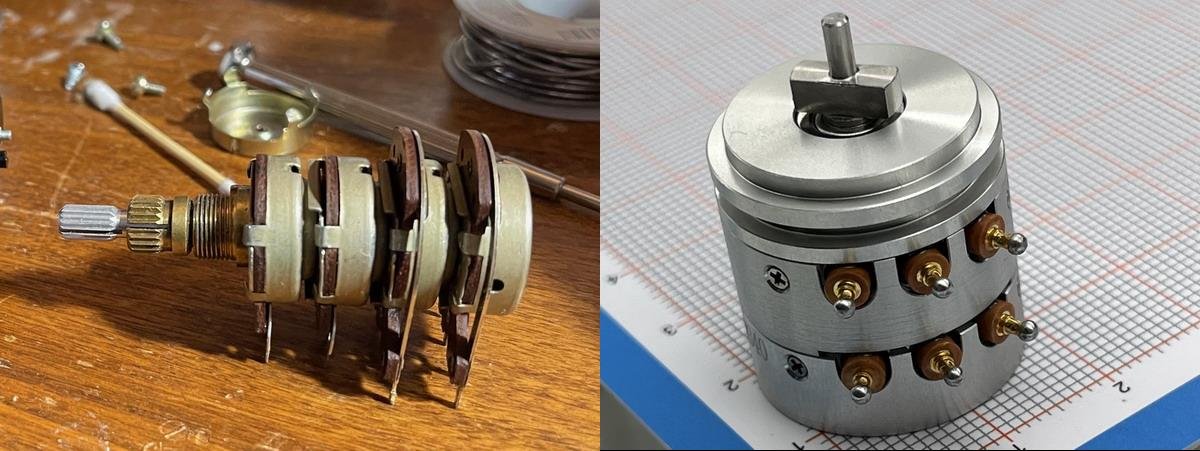
Carbon film potentiometers, invented in the 1950s, are widely used in electronic devices and instruments to adjust voltage, current, or signal strength in circuits. They consist of a layer of carbon film coated on a ceramic, plastic, or metal base, and can be adjusted using a rotary knob. Carbon film potentiometers are known for their stability, linearity, and reliability.
2) Basic Structure:
The basic structure of a carbon film potentiometer includes a carbon film, an insulating substrate, and wiring. The carbon film is a thin layer made of conductive carbon material, and its thickness determines the resistance value. The insulating substrate, usually made of ceramic or plastic, supports and isolates the carbon film. The wiring connects the carbon film to the external circuit.
3) Advantages
1. Good Stability and Reliability
They can maintain stable resistance values over long periods of use and are less affected by external environmental factors. This makes carbon film potentiometers reliable components for circuits requiring stable resistance values.
2. Low Cost
The materials and processes required to manufacture carbon film potentiometers are relatively simple, resulting in lower production costs. This makes them an ideal choice for mass production and widespread use in consumer electronics and industrial equipment.
3. Good Adjustability and Ease of Use
By rotating the potentiometer's knob, the resistance value can be easily adjusted to meet different circuit requirements. This adjustability makes carbon film potentiometers very convenient for adjustments and control in electronic devices, allowing users to easily adjust the resistance as needed.
4) Disadvantages
1. Relatively Low Precision
Due to manufacturing processes and material limitations, the resistance values of carbon film potentiometers may have certain deviations. This makes them less suitable for applications requiring high precision, such as precision measuring instruments or high-precision circuits.
2. Temperature Drift
Temperature changes can cause the resistance value of carbon film potentiometers to vary, affecting circuit performance. Therefore, in applications sensitive to temperature changes, carbon film potentiometers may require temperature compensation or the use of other more stable potentiometers.
5) Applications
Carbon film potentiometers are widely used in electronic devices and circuits. Common applications include:
1. Volume control in electronic devices
2. Brightness adjustment in optical devices
3. Power supply voltage adjustment
4. Temperature control circuit adjustment
6) Future: Carbon-Film as a Practical Alternative
In recent years, high-performance carbon-film potentiometers have shown potential to replace conductive-plastic types in certain applications. The most noticeable advantages are cost and development flexibility. Conductive-plastic elements usually require custom molds with a long lead time and a tooling cost of around USD 3,000. By contrast, carbon-film elements do not need any mold manufacturing—only a layout setup fee for screen-printing, typically around USD 1,000, which allows faster development and easier design adjustments.
Noise control is another important difference. Standard conductive-plastic elements can generate around 100 mV of noise, whereas optimized carbon-film formulations—such as those used by NOL—can reduce it to 40 mV, offering more stable output for precision sensing systems.
In small-size potentiometers (especially below 32 mm in diameter), the effective electrical angle of conductive-plastic elements often stays below 350°. Within the same size range, NOL has successfully achieved up to 355° on carbon-film tracks, without changing the housing structure or the existing production layout. This provides more usable signal range under limited space, especially for compact rotary sensing applications.
Regarding key performance parameters such as linearity, temperature drift (TCR), and yield rate, high-grade carbon-film tracks can already reach a level comparable to conductive-plastic elements while maintaining better cost efficiency in mass production. Although conductive-plastic still has an advantage in theoretical lifespan—up to 50 million cycles compared to about 10 million cycles for carbon-film—the actual requirement should be evaluated based on the customer’s real operating conditions rather than on theoretical limits alone.