The Difference Between Carbon Film and Conductive Plastic Potentiometers
This article explains the core differences between carbon film and conductive plastic potentiometers, highlighting their materials, manufacturing processes, performance, and
 Skip to content
This article explains the core differences between carbon film and conductive plastic potentiometers, highlighting their materials, manufacturing processes, performance, and
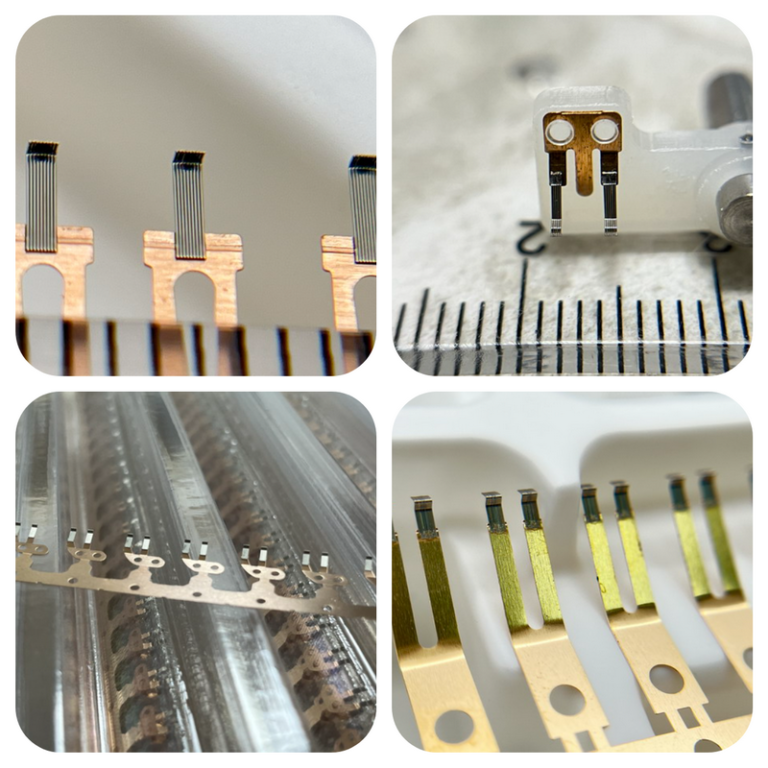
This article provides an in-depth comparison of three mainstream types of brush materials widely used in potentiometers and sensors: three-element
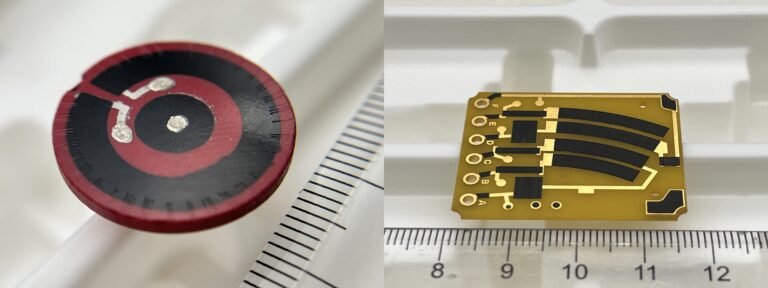
This article compares thick film and conductive plastic resistive elements used in industrial potentiometers, analyzing their structure, materials, manufacturing process,
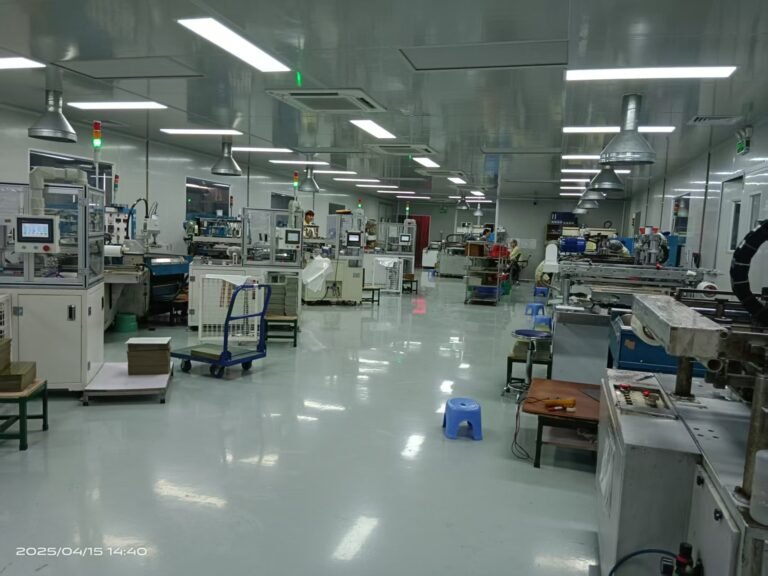
Choose the right potentiometer manufacturer by focusing on quality, customization, certifications, and responsive support to ensure success in your electronic
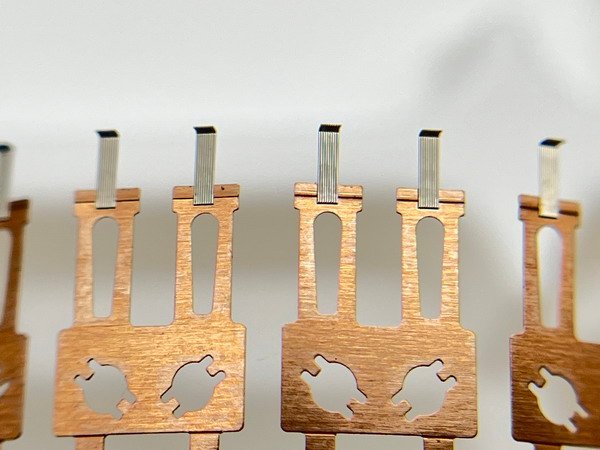
This blog shares a real case from a Silicon Valley client and introduces the diverse applications of NOLELC flexible brush

Discover the unique advantages of NOLELC’s custom potentiometer brushes featuring precision-crafted precious metal alloy contacts and robust CuBe2 spring bases.
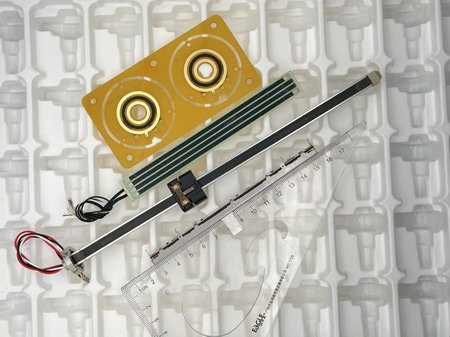
Servo potentiometers are key to industrial automation, offering high-precision feedback. Discover their origins, materials, robot applications, ±0.05% precision, and future
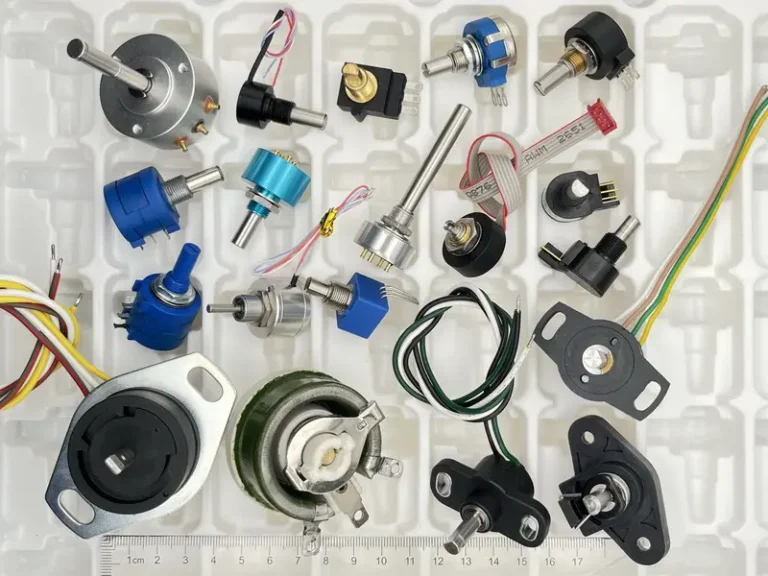
This article explores methods for selecting replacement factories for discontinued potentiometers, analyzing discontinuation reasons, strategies for finding substitutes, and recent
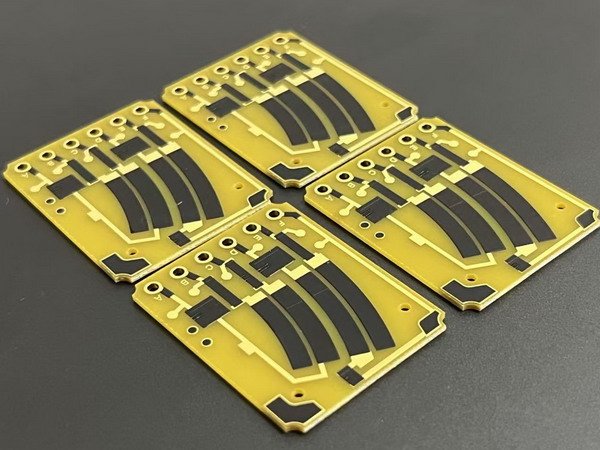
Thick film circuits combine durability with design flexibility, making them a key solution between traditional PCBs and integrated circuits. This
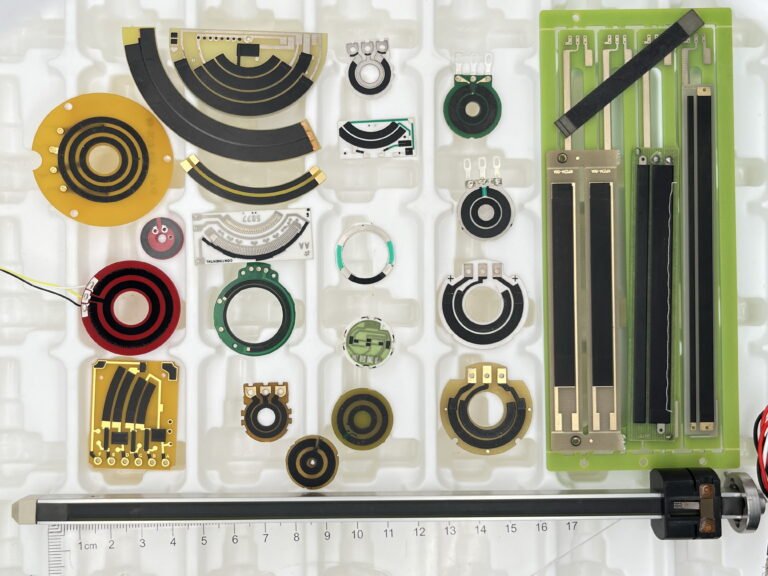
Thick film PCB is a technology that prints thick layers of conductive and resistive materials onto ceramic substrates, offering high-temperature
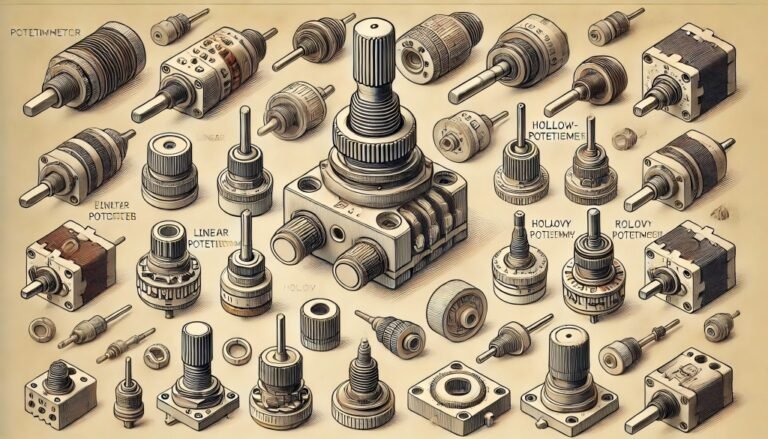
Potentiometers—particularly conductive plastic, wire-wound, and ceramic-metal types—have long been essential components in electronic devices. Historically, Europe and America have led
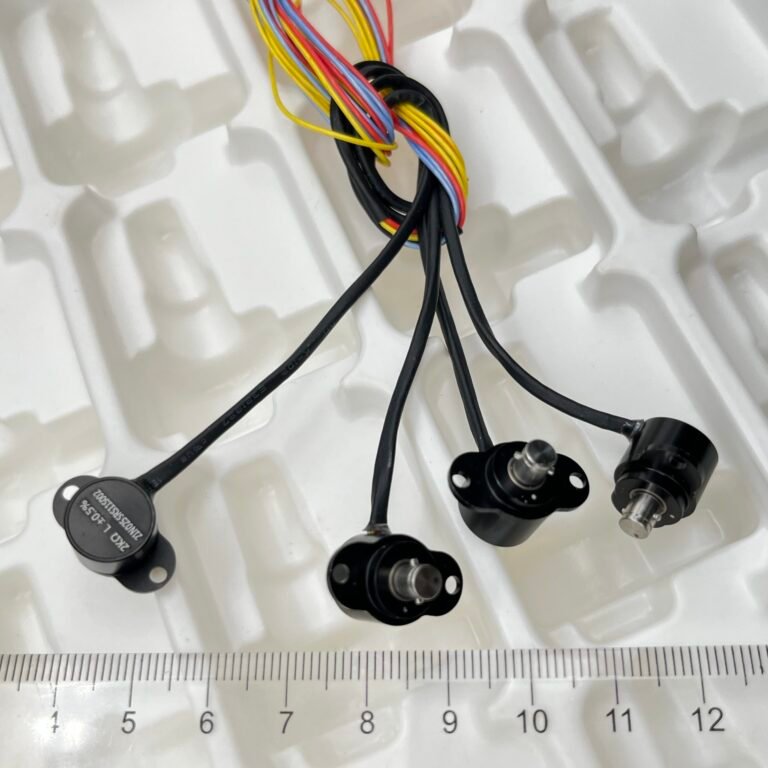
Military-grade potentiometers are precision components specifically designed for military and aerospace applications, capable of withstanding extreme conditions and ensuring system
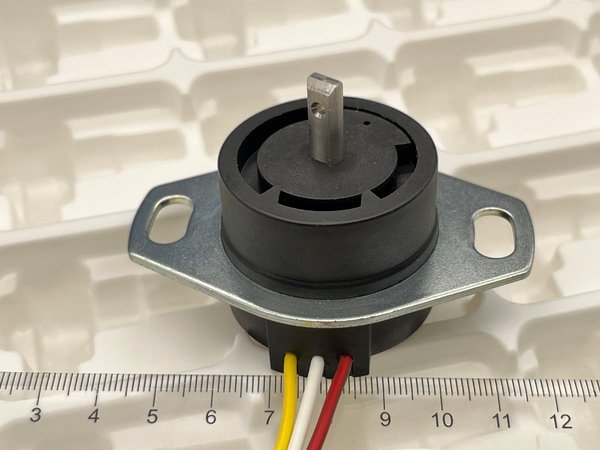
Servo potentiometers offer a cost-effective, moderately accurate feedback solution for closed-loop control in servo systems. This article explores their working
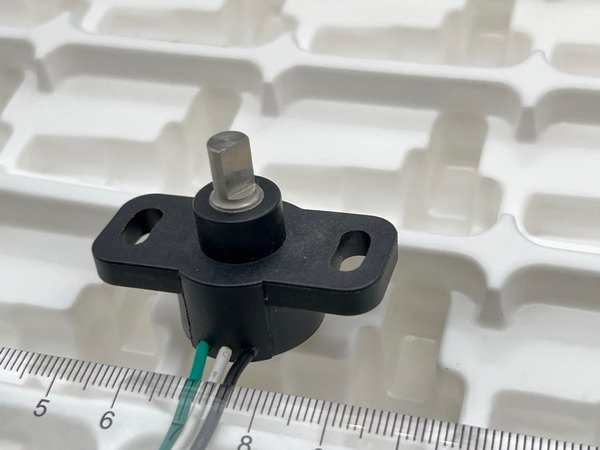
Angle sensors convert mechanical rotation into electrical signals, enabling accurate position feedback. They include potentiometers, rotary encoders, and contactless sensors,

This article covers key considerations for manufacturing custom potentiometers, focusing on essential factors like clear communication, accurate datasheets, proper material

Industrial potentiometers are used for precise control of electrical parameters in large-scale equipment, widely applied in aerospace, automotive, and medical

A potentiometer is made up of a resistive element for controlling resistance, a wiper contact mechanism, housing, terminals, and sometimes

Potentiometers in automobiles are variable resistors used to measure or control electrical signals, often playing a role in throttle control

Servo potentiometers are essential in precise control systems, serving as sensors to provide critical feedback for motors and automation tasks.

An angle sensor detects and measures the angular position or rotation of an object, enabling precise control in various systems.