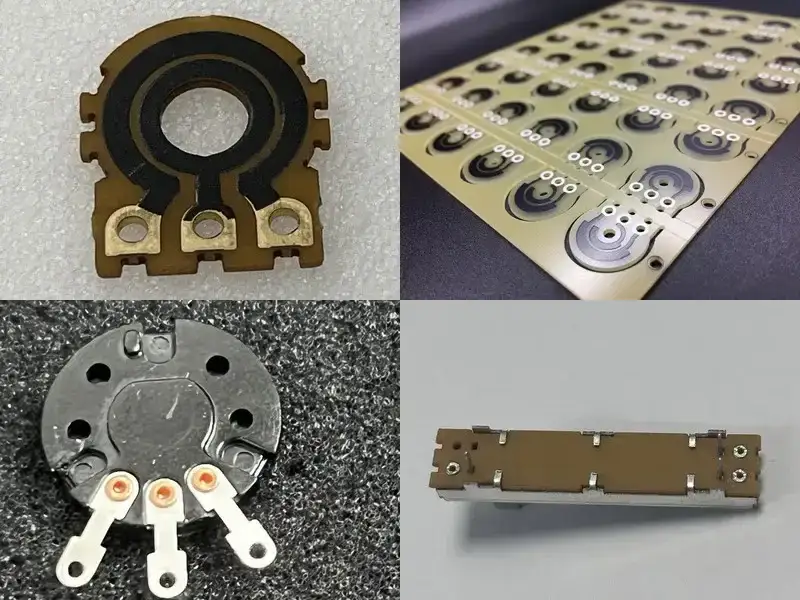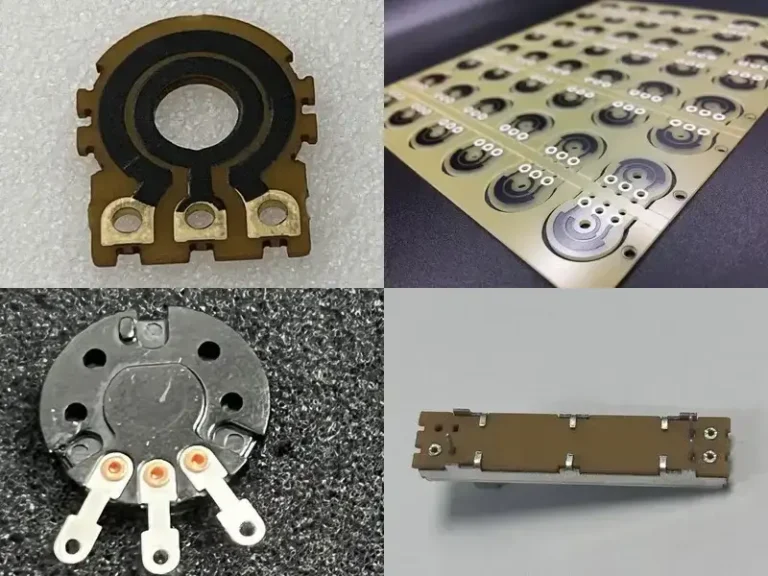
How to Choose a Potentiometer Substrate: A Practical Taxonomy (Phenolic, Bakelite, FR4, Copper Pads)
A practical taxonomy of potentiometer substrates and the process routes behind them. This post explains how terminal connection choices, curing
 Skip to content
A practical taxonomy of potentiometer substrates and the process routes behind them. This post explains how terminal connection choices, curing
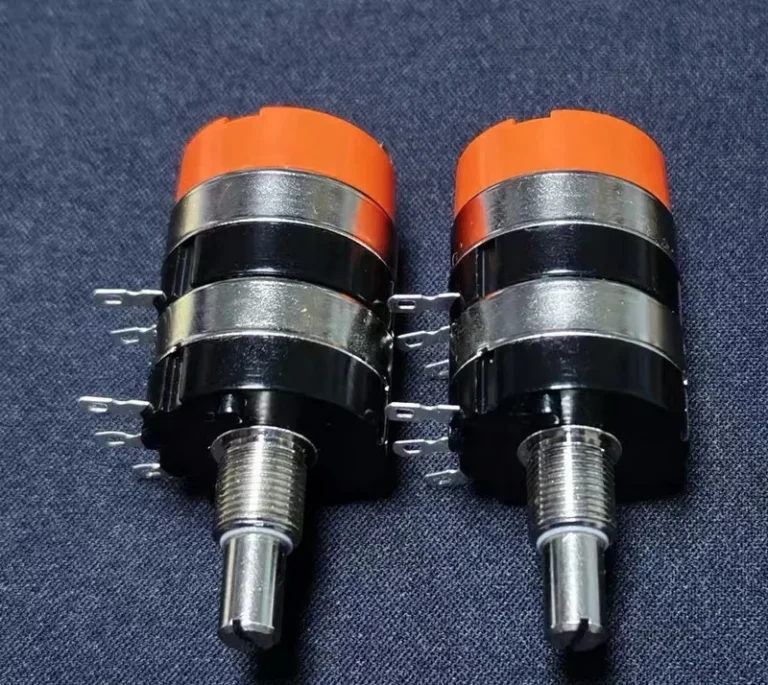
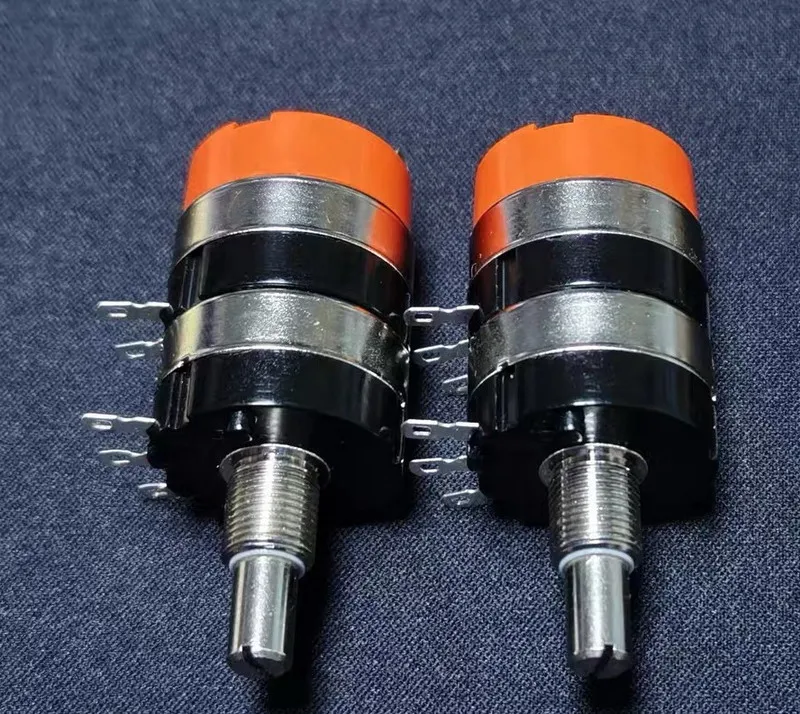
Multi-gang single-control is not just stacking more sections. As gangs increase, alignment and feel become more sensitive, and terminal layout
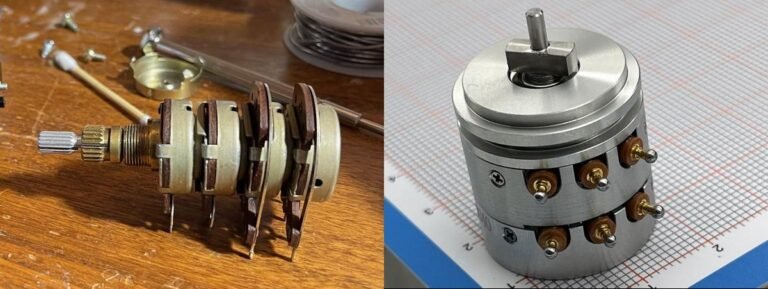
Within one week, I received two customer inquiries, and it honestly felt like “time travel.” One is a vintage Sansui

This article explains the engineering reasons behind dual-track and dual-wiper designs in conductive plastic displacement sensors.
By focusing on
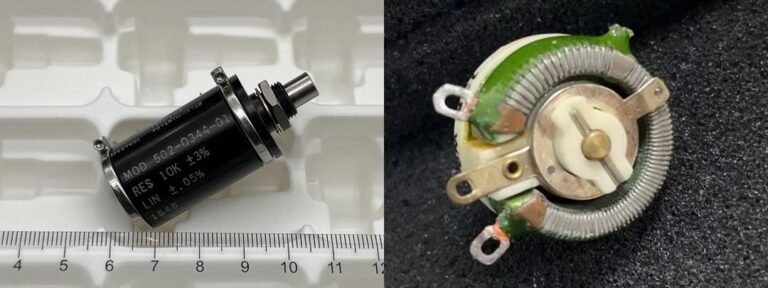
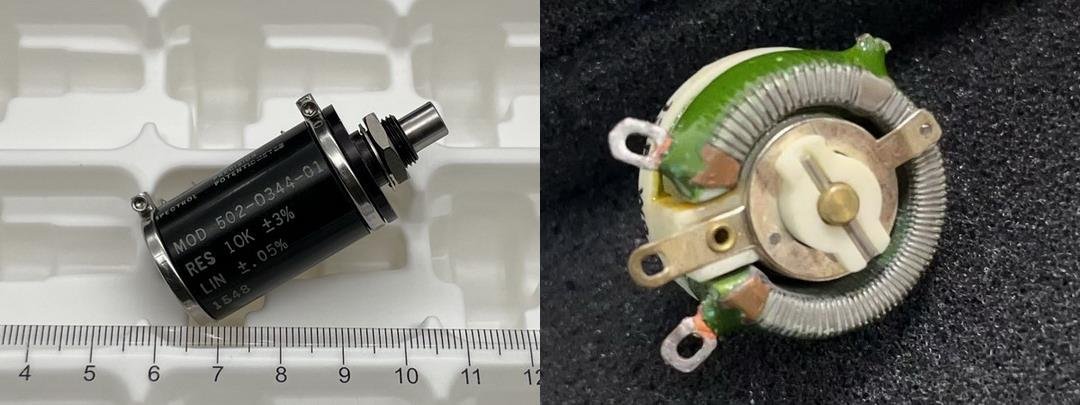
We first split rotary wirewound parts into single-turn and multi-turn types, then compare two real spec-sheet cases to help both
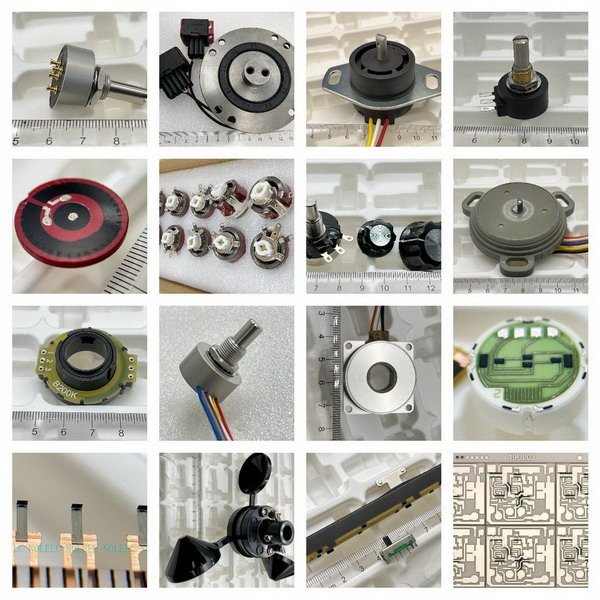
Potentiometers seem easy to classify at first, but real products often cross structure, material, and application boundaries.
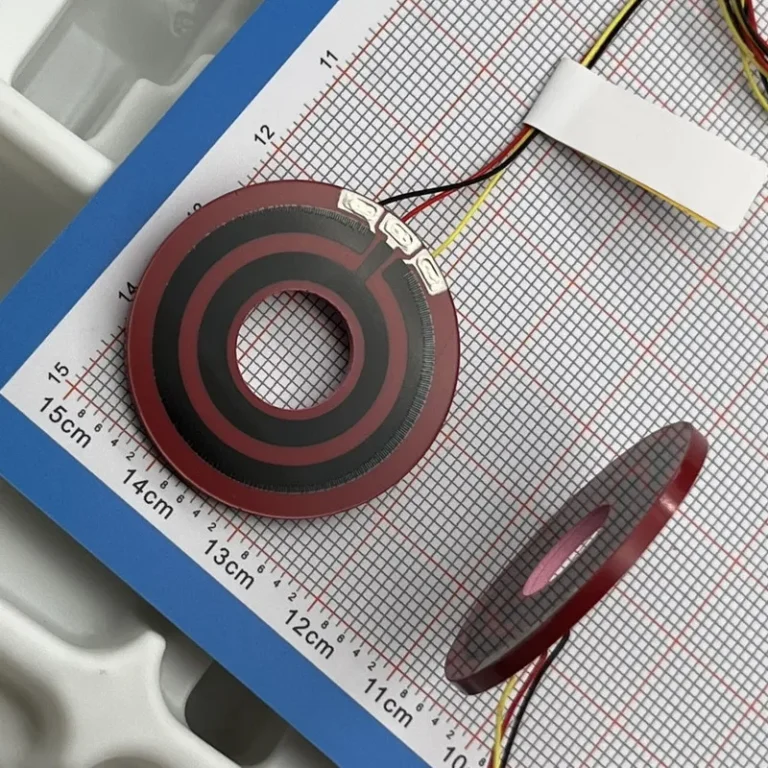
This article explains two material paths for replacing conductive-plastic potentiometers—CP elements and NOL H-carbon-film elements—with technical comparisons and practical guidance.

This article explains the major housing structures used in potentiometers and angle sensors, comparing their temperature limits, mechanical strength, corrosion
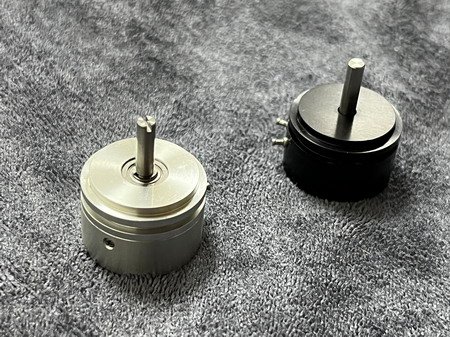
This article explores how conductive plastic resistive elements, multi-wire wipers, and precision mechanical design together create stable, low-noise, and long-life
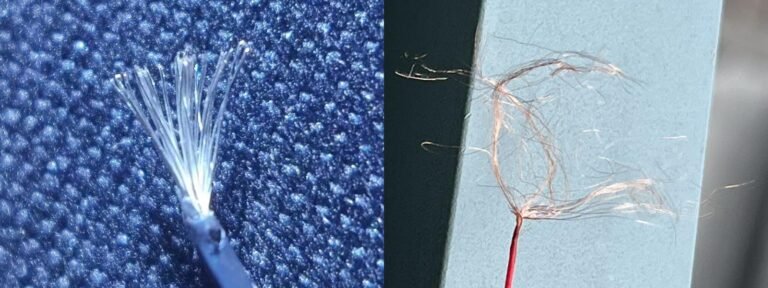
MIL-DTL-16878 and GJB 773B-2015 share almost identical PTFE wire structures but differ in naming, test focus, and dimensional definitions.
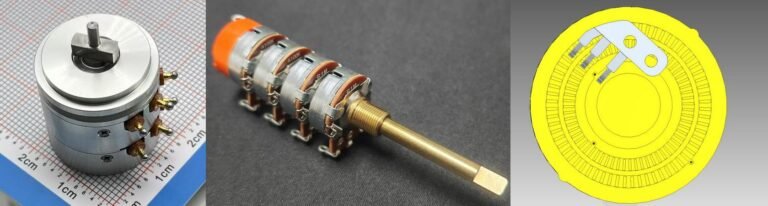
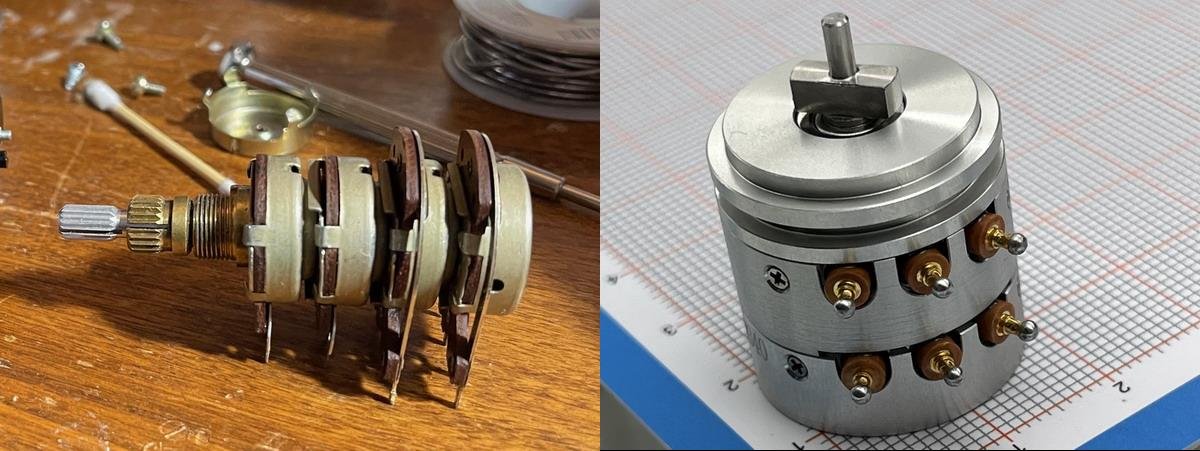
This article introduces three representative multi-gang structures used in potentiometers and sensors — the dual-channel conductive plastic sensor, the multi-gang

GJB 1865A and MIL-PRF-39023 are the Chinese and U.S. military standards for non-wirewound precision potentiometers. Both define temperature, life, linearity,
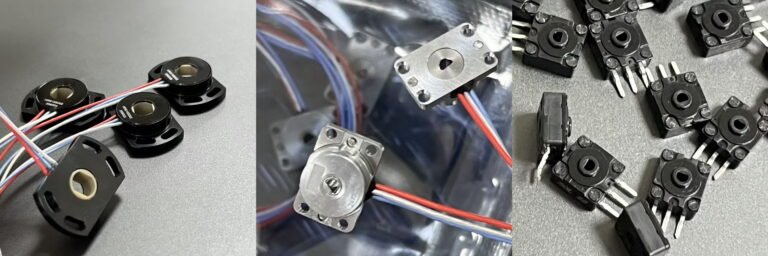
Hollow-shaft angle sensors using conductive plastic resistive elements are essential for realistic robotic simulation hands. With features like high linearity,
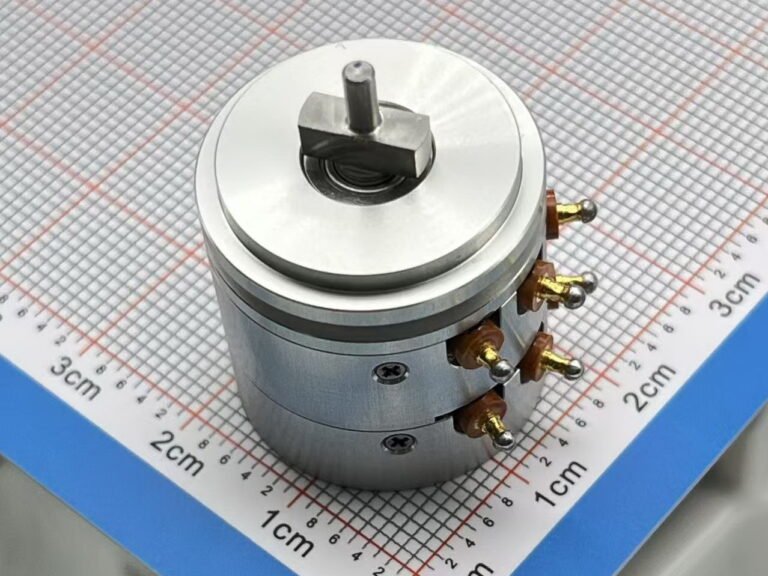
Conductive plastic potentiometers combine smooth, continuous output with long operational life and high linearity. This article explains their working principle,
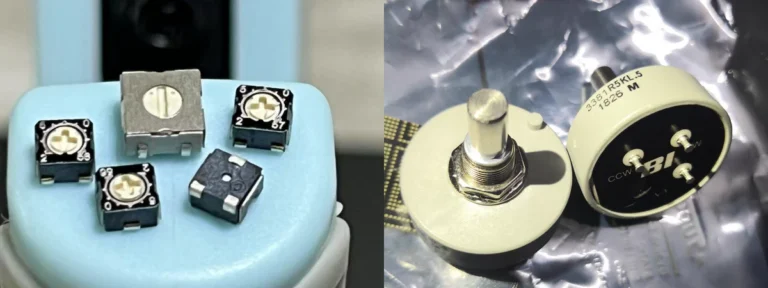
This post compares SMD trimmers (e.g., 3314) and multi-turn trimmers (e.g., 3381/3296/3386), explaining how they differ in adjustment precision, usage

SMD potentiometers are used for circuit calibration, with short lifespans, glued after adjustment, and almost always made with cermet. This
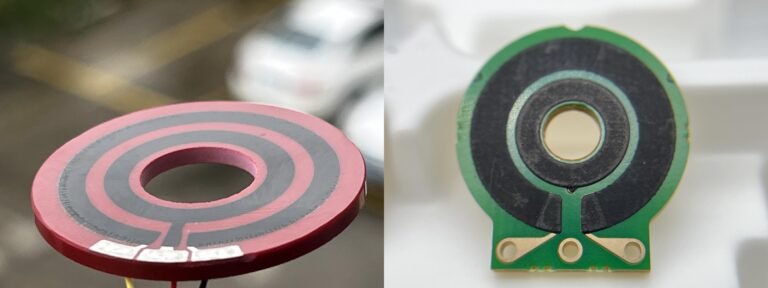
Conductive plastic delivers smooth feel, tight linearity, and long life—built for servo-grade control.

A complete guide to linear displacement sensors (LDT): compare magnetostrictive, LVDT, and potentiometric types (LWH/TLH). Quick selection table plus advanced
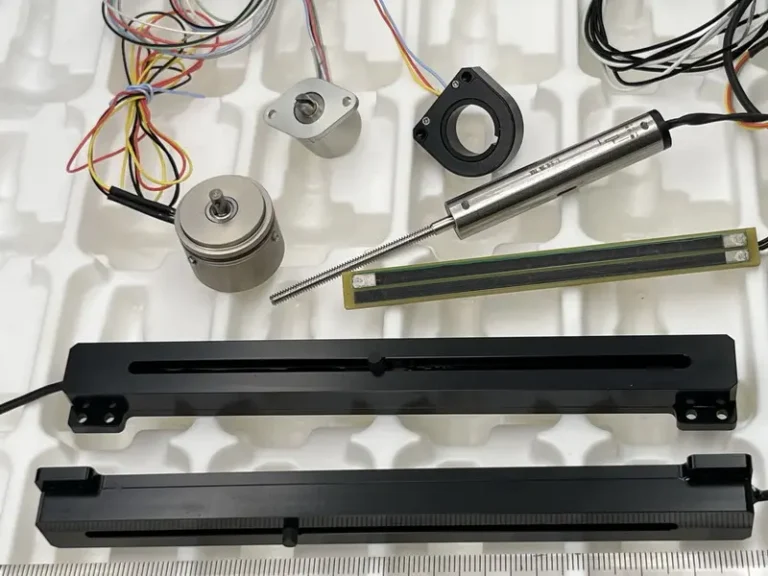
This article provides a practical and technical overview of sensor applications in servo systems. It covers the dual classification of

This guide compares all major types of resistive elements found in potentiometers and sensors, including thick film, conductive plastic, metal